Almost a century passed since first woman became Australian parliamentarian in 1921 however across Australia women continue to be significantly under-represented in parliament and executive government, comprising less than one-third of all parliamentarians and one-fifth of all ministers. Have a look into prominent female federal politicians of Australia and their passionate moments.
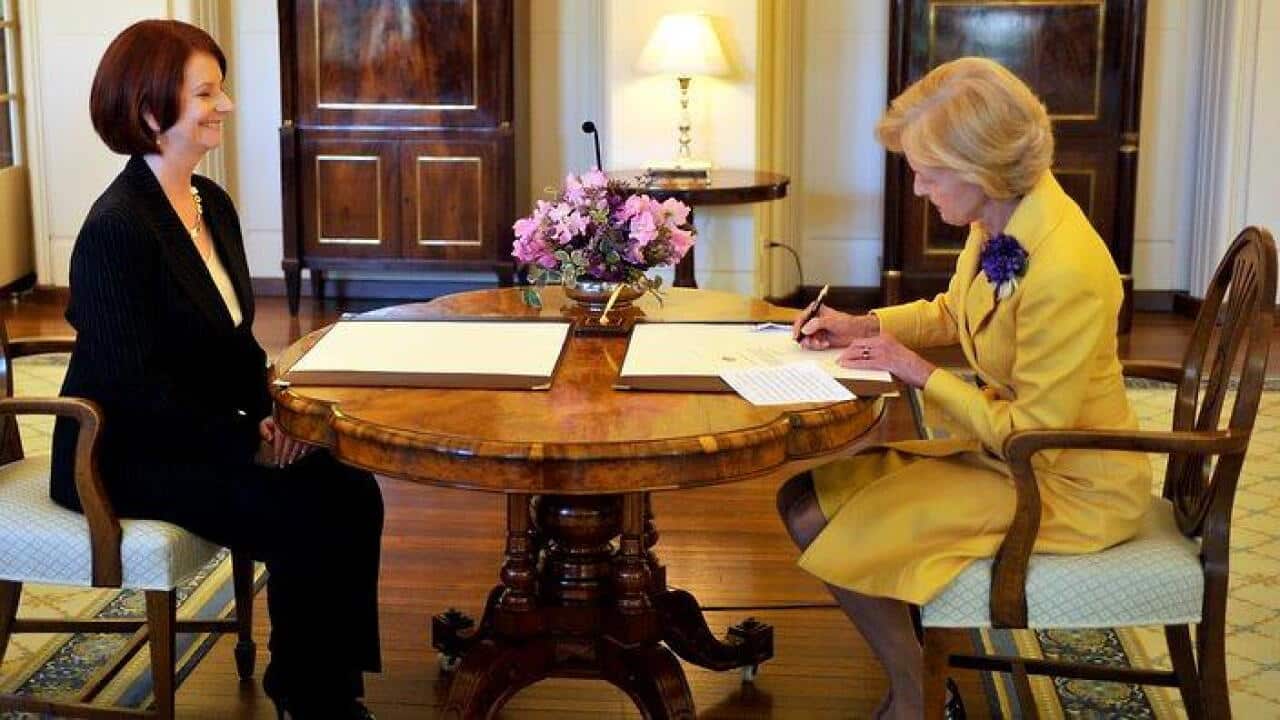
June 2010 was an historical day of Australian's political history. Advocacy groups and gender equality supporters celebrated equally across Australia when Julia Gillard achieved the highest post as first Australian female Prime minster. Julia Gillard sworn as 27th Prime Minister of Australia by another female then Governor General Quentin Bryce. Let’s have a look on prominent female federal parliamentarians of Australia and how they changed the shape of country politics. Julia Gillard misogyny speech delivered on 9th. October 2012 and became viral on social media.
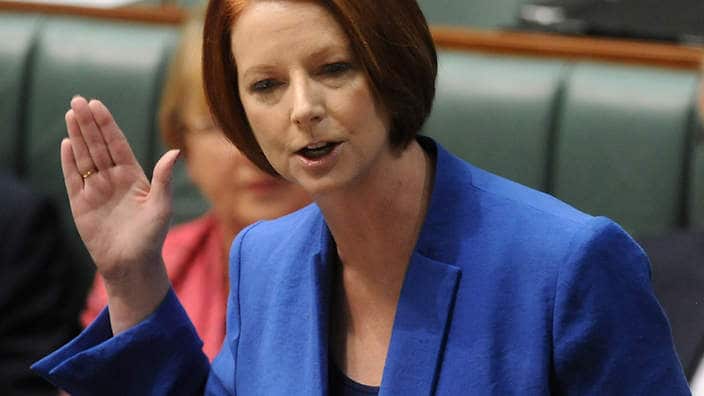
( Julia Gillard-AAP)
When Prime Minister Malcolm Turnbull dissolved the Parliament in May and called double dissolution Elections then parliament had 72 female MPs. This was above the average for the past four parliaments - out of a total 226 elected representatives. But despite the claims of Major political leaders about the participations of women in National politics, number of women in Parliament is set to decrease. Julie Bishop is the Minister for Foreign Affairs and Deputy Leader of the Liberal Party. Julie was also a Minister in the Howard Government. Julie was first elected to the House of Representatives for Curtin, Western Australia in 1998.
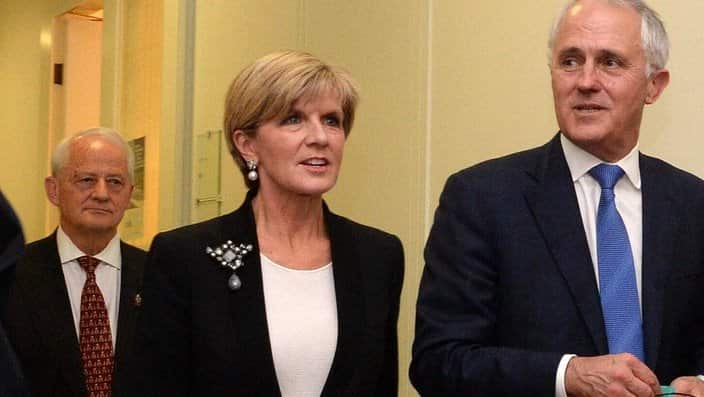
(Julie Bishop -AAP)
Tanya Plibersek became deputy opposition leader of ALP. The leader of the Opposition Bill Shorten is seen during a caucus meet at Parliament House in Canberra, Monday, Oct. 14, 2013. An emotional Tanya Plibersek has been elected Deputy Opposition Leader - setting herself three tasks and recalling her migrant roots.
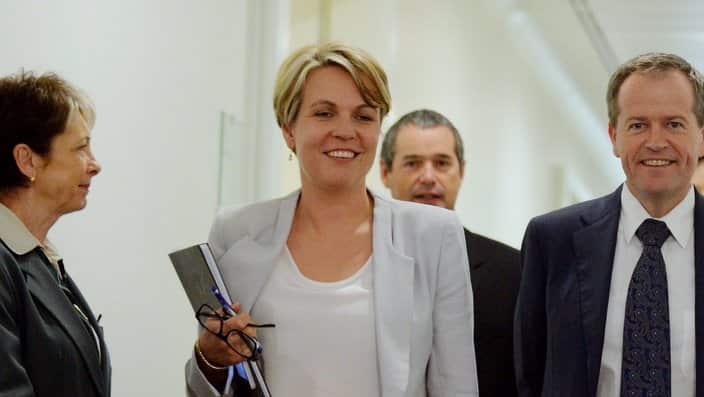
(Tanya Plibersek-AAP)
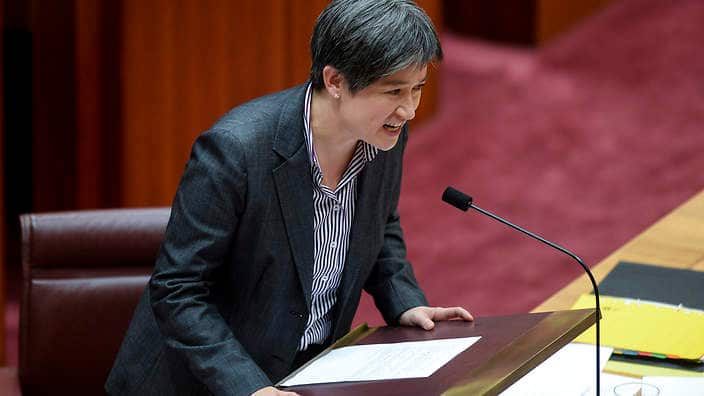
SOUTH Australia Labor senator Penny Wong has lashed out at homophobia in Australia’s sporting culture during a passionate address to the Senate. Former finance minister Penny Wong has been elected Labor's Senate leader, the position she briefly held under Kevin Rudd's reformed government. The leader of the opposition in the Senate Penny Wong is one of the Australians who openly acknowledged her lesbian status. She spoke during Senate question time at Parliament House in Canberra, Thursday, July 10, 2014.
f
(Penny Wong-AAP)
Tony Abbot's choice of Bronwyn Bishop as Speaker of the House of Representatives was not without problems. Bronwyn Bishop spoke to the media at a news conference in Sydney, July 18, 2015 about travel expenses saga. Bronwyn Bishop has said there was an “error of judgment” but she will not stand down as the Speaker of federal parliament over a travel expenses to a Liberal party fundraiser, instead describing the allegations as a “political beat-up”. She quits the post after two weeks of that passionate news conference.
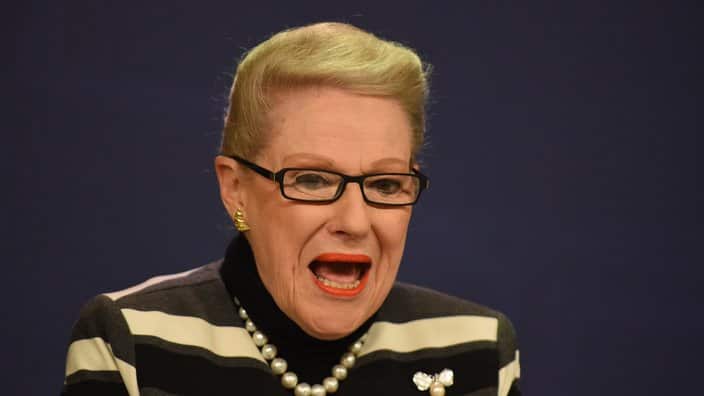
(Bronwyn Bishop-AAP)
In the August 1995, Pauline Hanson joined the Liberal Party, was endorsed as their candidate for the Federal seat of Oxley in November. Pauline was calling for equality for all Australians and in doing so was labelled racist. On 14th February 1996 on instructions from John Howard, she was dis-endorsed. Pauline contested the election on 2nd March as an Independent winning the seat with the biggest swing in the nation. Pauline Hanson’s election to Parliament, gave her the title as the first Independent woman to hold a seat in the House of Representatives.
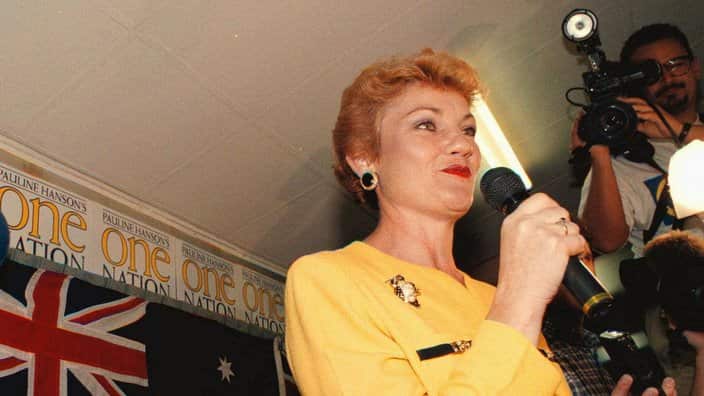
(Pauline Hanson-AP Photo-Steve Holland)
Mehreen Faruqi is a Pakistani-born Australian politician. She has been a Greens MP in the New South Wales Legislative Council since 19 June 2013. She joined the Greens in 2004 and ran as a candidate for the Legislative Assembly seat in 2011 and at the 2012 by-election. She was chosen to replace Faehrmann in 2013, becoming the first Muslim woman to be a member of any Australian parliament. At the time she was appointed to parliament, she was Academic Director of the Master of Business and Technology Program and an Associate Professor at the Australian Graduate School of Management for the University of New South Wales. Mehreen is passionate about Public transport and detainees.
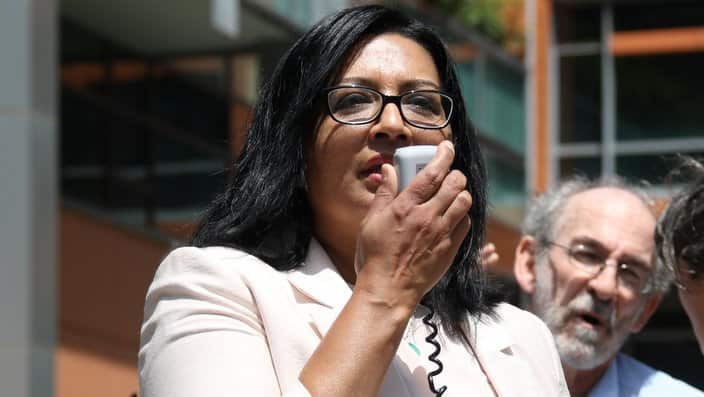
(Mehreen Faruqi-AAP)
In 1902, the Commonwealth Parliament passed the uniform Commonwealth Franchise Act 1902, which enabled women 21 years of age and older to vote at elections for the federal Parliament. However, this franchise did not apply to Indigenous women, who did not get the vote for federal elections until 1962, as did all Indigenous men, and in all States until 1967
Edith Cowan, was the first woman to be elected to an Australian parliament when she won a seat in the Western Australian Legislative Assembly in 1921. Vida Goldstein ran for the Senate on three occasions – in 1903, 1910 and 1917.
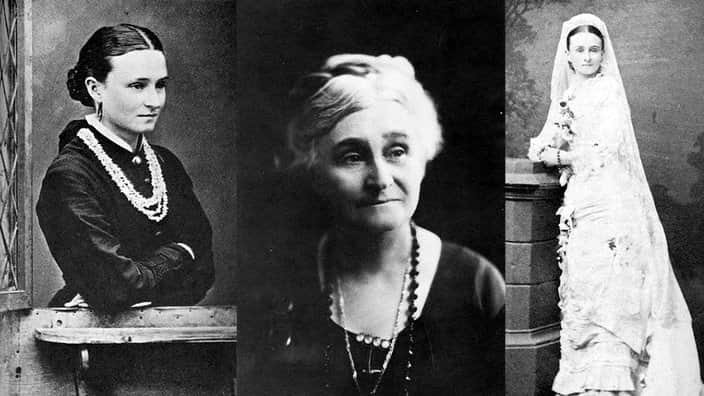
(Edith Cowan-Public Domain)
House of parliament released a study paper about Representation of women in Australian parliaments in 2014. Despite enthusiasm about women participation in Australian politics, across Australia, women continue to be significantly under-represented in parliament and executive government, comprising less than one-third of all parliamentarians and one-fifth of all ministers.