Oxfam Australia has published a new research showing 90 per cent of Australians would be willing to pay more for clothing if it was shown to be made ethically.
A new fashion report card has seen many Australian retailers given an "F" when it comes to ethical clothes production.
The Baptist World Aid Australia charity surveyed 87 retailers and more than 300 global and domestic fashion brands.
The research found that two thirds of companies were not taking any action to ensure that workers received a living wage to meet their basic needs, leaving them trapped in a cycle of poverty.
The clothing industry body representing retailers in Australia agrees mandatory standards need to be created.
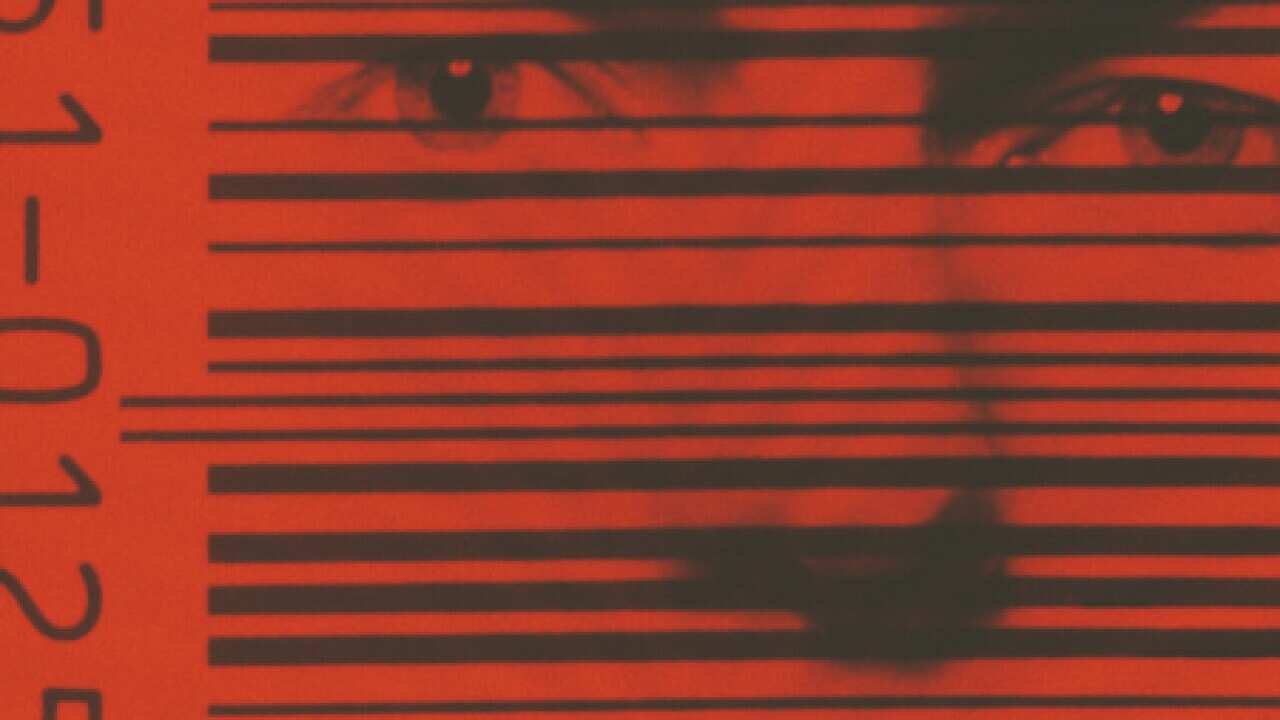
Baptist World Aid Australia wants to end the era of the sweatshop. Its annual report, Behind the Barcode, rates fashion companies from A to F in terms of their efforts to avoid exploitation of workers during clothing production. Companies were given a year to prove they knew forced or child labour, and underpayment, were not happening as their clothes were produced.
Baptist World Aid Australia Advocacy Manager, Gershon Nimbalker says tracing supply chains often reveals hidden horrors.
"In November, I travelled with my team back to India to look at some fabric mills that companies weren't monitoring and they weren't auditing. There we met young girl after young girl, some of which were working at the age of 12 in fabric mills where they were being underpaid and overworked, physically and sometimes sexually abused in the most awful conditions."
The charity's third report into Australia's fashion industry found while many companies are improving their awareness and transparency standards, just five per cent know where their source fabrics come from.
"There were just a handful of companies that weren't both disclosing to the public what they were doing and refusing to engage with us to tell us more about their systems and my instinct is if those companies aren't willing to let the public know what they're doing or talk to us so we can understand how strong their systems are to protect their workers, then we can't be guaranteed that they're investing sufficiently to make sure workers are being protected. And I don't understand why they can't make that public."
Companies awarded an F either had low standards or refused to participate.
Seed Heritage and General Pants were among those who did not give information.
In a statement, General Pants says the survey was misleading and deceptive and included threatening demands for responses.
Seed Heritage says it has its own code ensuring workers are paid fairly and not harmed in clothing production, but didn't explain why it did not participate in the survey.
The Council of Textile and Fashion Industries, which represents Australian fashion retailers says the Council is working with NGOs to develop a new code of practice in ethical clothing production. Executive Director, David Giles-Kaye says,
"Supply chains are very complicated and are often somewhat hidden and it takes a lot of effort to uncover all the way back, not just the tier 1 supplier but all the way back to tier 2,3,4 and even further as well."