Indian Institute of Technology (IIT) graduate Ananth SM was denied an Australian student visa last week.
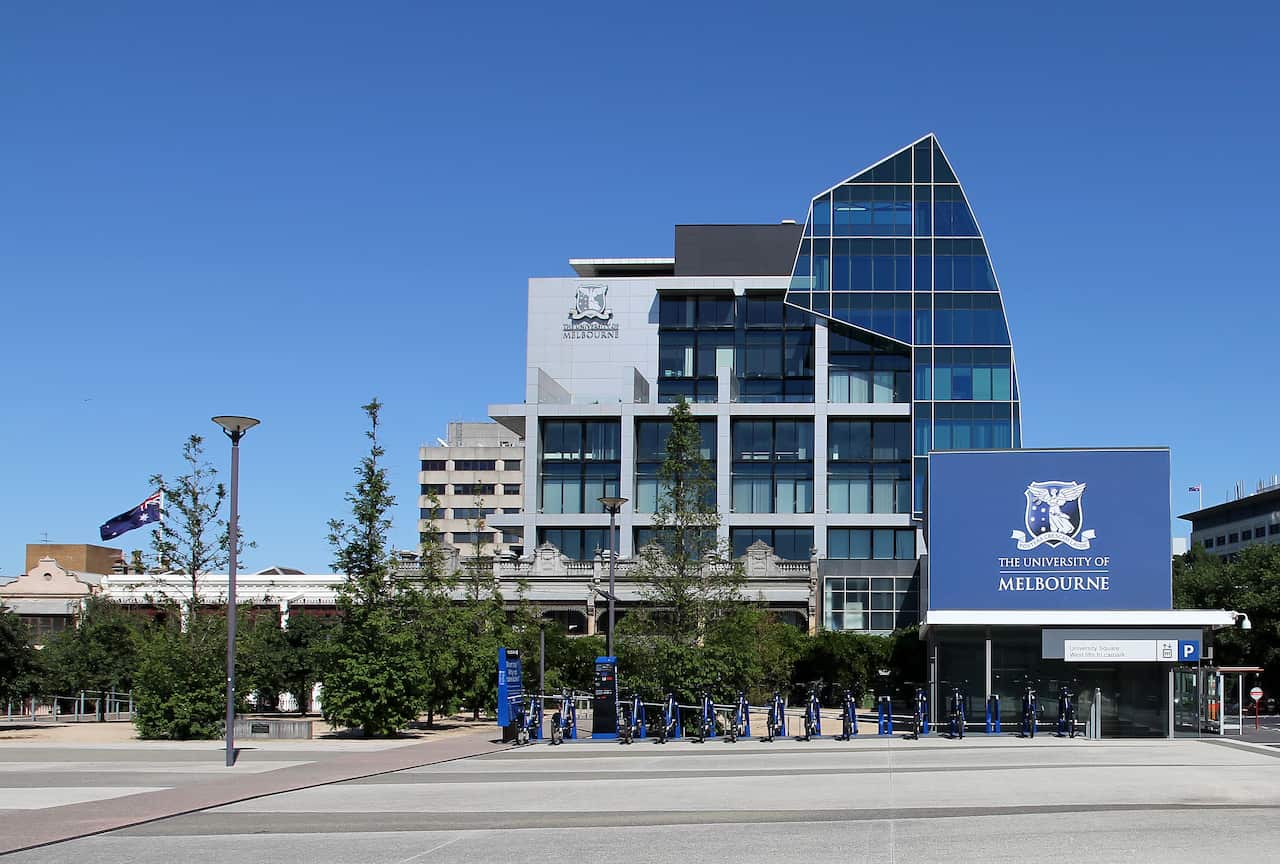
He had applied for the visa in August 2015 based on the fully-funded PhD scholarship by Australia’s reputed University of Melbourne.
The visa was denied citing concerns that he could get involved in the ‘proliferation of weapons of mass destruction’.
The issue of visa denial was taken up by Indian Congress MP Shashi Tharoor, who wrote to India’s External Affairs Minister Sushma Swaraj and urged her to it take up with her Australian counterpart.
However, Australia has defended its visa denial to Ananth SM.
Indian newspaper The Hindu reported that the Australia Foreign Ministry asserts that their visa denial to one Indian engineer should not be used to examine its support to India’s outreach for hi-tech.
Defending its decision to keep the student out of Australia, the High Commission of Australia told The Hindu, “It should be noted…Australia strongly supports India’s application to join the Nuclear Suppliers Group (NSG) and India’s admission to other export control regimes. We are strong supporters of India’s peaceful use of nuclear energy...”
The High Commission stated that Ananth SM’s planned research in high tech (“fluid dynamics”) was against the foreign policy objectives of Australia.
In the rejection letter sent to the student, the Department of Immigration and Border Control of Australia said, “As you were determined by the Foreign Minister (or a person authorised by the Foreign Minister) to be a person whose presence in Australia may be directly or indirectly associated with the proliferation of weapons of mass destruction, this means that you have failed to meet PIC 4003(b). The Migration Act 1958 requires that your application be refused if the Minister (or a delegate) is not satisfied that you meet all of the criteria for the visa.”
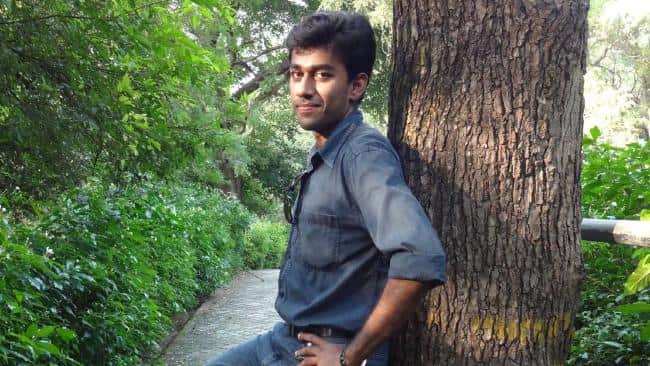
Mr. Ananth calls the reasons of denying him a visa, “preposterous”.
“My research was meant to be a purely academic exercise without any other implications,” Mr. Ananth told The Hindu.
Defending his subject of research for the PhD, Ananth pointed out that his research was “using fundamental mathematical models that are available in published literature and text books, which are freely available to anyone from an academic institute like IIT Kanpur”.
He further told the Australian authorities, “Till now, I have never been involved, even remotely, in any religious or political organisations that could spread some form of hatred. My police record is clean and I have never been on the wrong side of law for any reason throughout my life. As a person who wishes and always worked towards a free and peaceful life, even the thought that I am under such a suspicion is deeply painful”.
Ananth told The Wire that the reason for the refusal “would tarnish my name very badly at an international level”.
“I secure an admission offer with full scholarship to pursue my Ph.D. in another university in a different country in future [and] when I apply for a study visa there, I will be required to state whether I have been refused a visa by any other country before and the reasons for refusal. So I will be required to state the refusal [and the reasons] that I have to suffer for an Australian visa and that will automatically jeopardise my future visa application, and I am very much likely to get refusals for all my future applications. In other words, the stated reason and the refusal by Australia will damage my academic career, which will stop me from pursuing education in any of the reputed universities abroad,” he said.