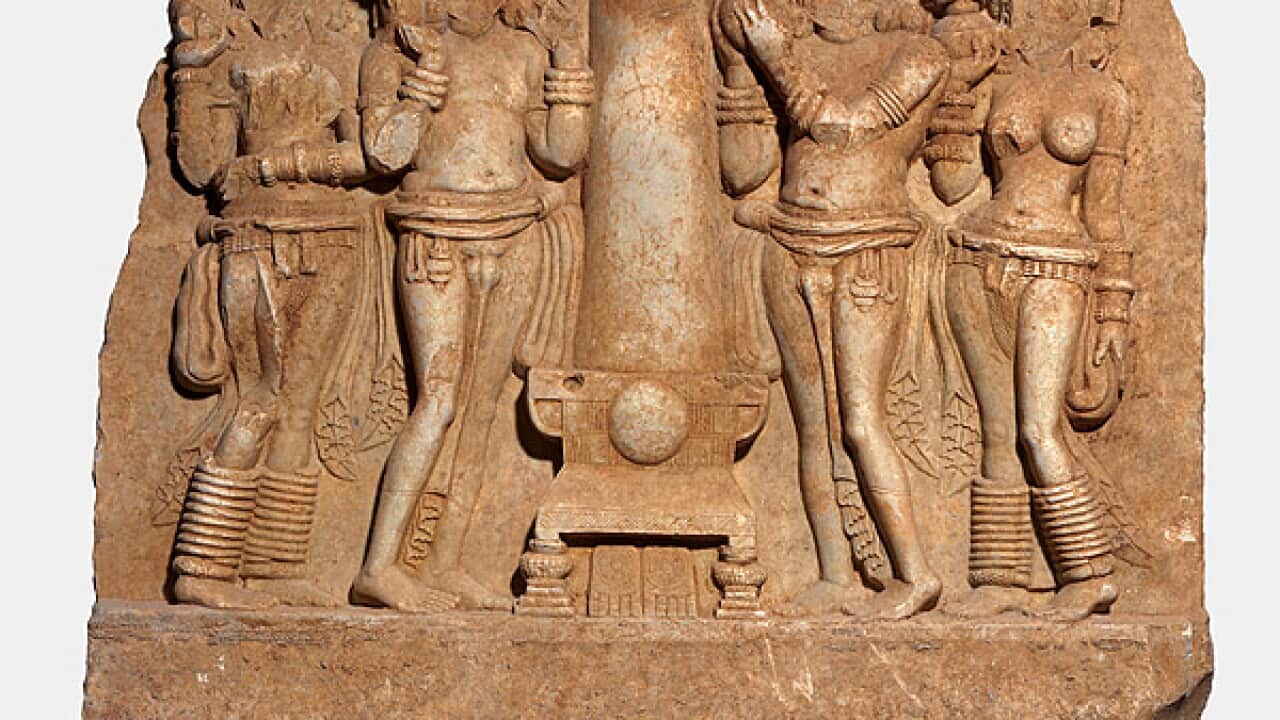
The National Gallery of Australia (NGA) may return two more artefacts to India as evidence mounts that they were bought from a smuggling ring.
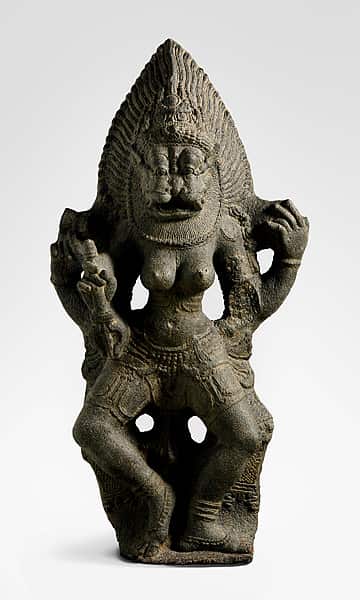
Reports have emerged that Indian investigators believe that an 1800-year-old limestone carving showing a scene from the life of Buddha and a 12th-century statue of the Hindu goddess Pratyangira may have been supplied to Antiquities dealer Subhash Kapoor by illegal traders in India.
ABC reported that illicit antiquities trade expert Jason Felch said Kapoor had provided documents to the Museum authorities claiming that the objects were out of India for some time before selling the two structures to the National Gallery in Canberra.
The gallery paid USD 595,000 for the Buddha and USD 247,500 for the goddess Pratyangira in 2005.
Indian authorities have been investigating Kapoor’s dealings in India and abroad while he is jailed and facing trial in India. They have arrested a trader, Deena Dayalan, whom they believe sold the sculptures to Kapoor.
"Dayalan allegedly organised networks of thieves who would break into Indian temples and steal these objects," Mr Felch said.
"He would then arrange for their export to Manhattan, where they were packaged and readied for market by Kapoor and then sold onto museums."
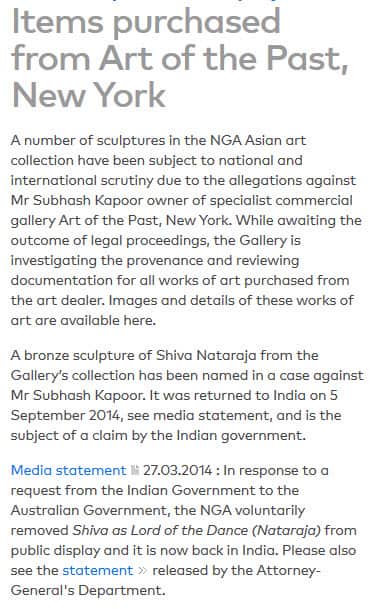
In a statement, quoted by ABC, the National Gallery said it was possible the two other sculptures would also be returned.
"The NGA has conducted thorough provenance research into these two sculptures and is working closely with Indian authorities on the next steps," it said.
"The Crennan Report, which the NGA released in February, identifies these sculptures as having suspect and insufficient provenance and it is certainly possible they will be returned."