

While New Zealand is pushing to trademark its Manuka honey in several countries, Australia is teaming up with its beekeepers, scientists, experts (Microbiologist, Chemists) and its researchers to find the feasibility of Manuka Honey Industry, claiming its Manuka Honey is three to five time more powerful than that of the Kiwis.
Bee is a very important species which protected world's Eco-systems as it pollinated 65% of Australia's and world's food.
Manuka honey is regarded as liquid gold, which just 1 kilogram will cost $150, due to the high cost of beekeeping and the low supply and high demands.
New Zealand pioneered the Manuka honey and now it worths 230 million dollars a year. Because of this, the Kiwis wants to trademark its products in the US, UK and in China. Though Australian Manuka honey industry is one-tenth of New Zealand, it wants a piece of this pie. Therefore the fight continue as Australia has set up its Manuka Honey Association and focus more on the feasibility of the commercial industry.
Through researching, Australian experts including microbiologist, chemists and researchers claimed that Australia has more than 80 Manuka trees species whereas New Zealand only have one species and Manuka honey produced in Australia from Australian Manuka trees are three to five time more powerful than that of the Kiwis.
"Manuka honey can kill germs (Bacteria) like golden staphylococcus aureus, flesh-eating bacteria and e-colis bacteria from hospital," said Microbiologist from University of Technology Sydney, Shona Blair.
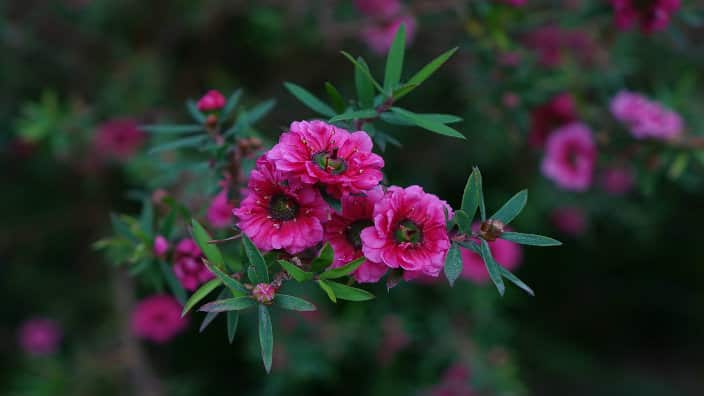
From this research, experts hope that this industry will be more attractive and more economic viable and it will draw more beekeepers as well as experts to help this this industry.
Amateur Beekeepers Association president Bruce White worried that "a lot of countries can produce honey much more cheaper than Australia, which is a big threat to the viability of this Manuka honey commercial industry."
"According to draxe.com, it claimed that Manuka honey has lots of benefits for instance, it helps lower the stomach acid, reduce acid reflux, helps with acne and eczema, sooths burns, wounds and ulcers, helps sore throat, allergies, sinusitis, tooth decays, gingivitis as well as kills germs (Staphylococcus Aureus)"
Due to its richness in vitamins and minerals (Amino acids, B Vitamins i.e B6, thiamine, niacin, riboflavin, pantothenic acid, calcium, copper, iron, magnesium, manganese, phosphorus, potassium, sodium and zinc) it is has became a very benefits natural health products that markets want to put their hands on.
But for those who experience bee allergen should consult with health professionals before consuming Manuka honey for their own safety.
Listen to more news in Hmong and in English from the following websites:
Listen to Hmong weekly program on Thursday at 6 pm AEST (Australian Eastern Standard Time) or on Sunday at 11am AEST at www.sbs.com.au/hmong
Or you can download podcasts both in Hmong and in English or listen to more news at: www.sbs.com.au/podcasts/yourlanguage/hmong
You can download SBS Radio app from Google Play and App Store for your smart phone and listen to Thursday 6pm AEST or Sunday 11 am AEST program on your phone at http://www.sbs.com.au/radio/article/2015/03/07/download-sbs-radios-free-mobile-app
Or if you want to check the frequent questions asked about SBS Radio app, please check http://www.sbs.com.au/radio/sbs-radio-app
Follow SBS Hmong at SBS Hmong Facebook page, click like us, share SBS Hmong news to your friends and comment about stories or our program at: www.facebook.com/sbshmong
Or if you would like to share your story with SBS Radio Hmong Program, please contact +61 3 9949 2259.
You can also listen to SBS Radio Hmong Program through radio frequencies at http://www.sbs.com.au/radio/listen-amfm-radio
Listen to us on digital TV on channel 38.