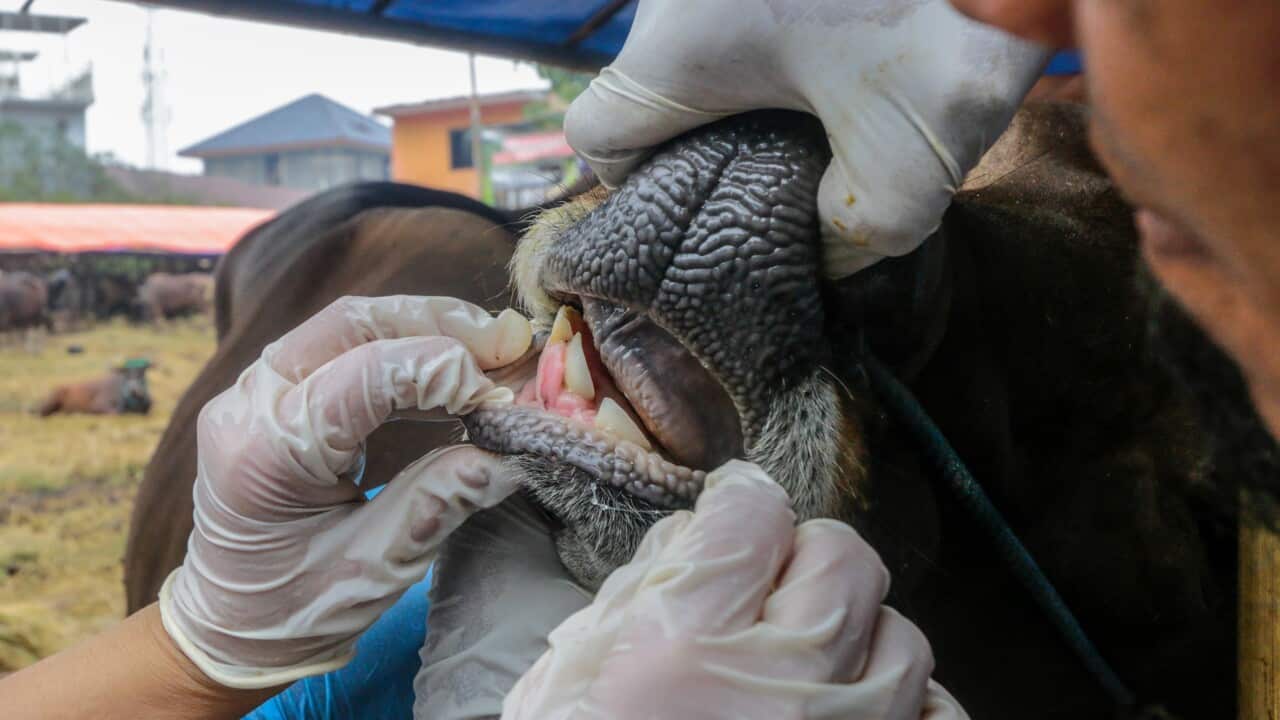
NSW Deputy Premier and Regional Minister Paul Toole said that with FMD on our doorstep in Bali and other parts of Indonesia, and the number of international flights at peak levels since the COVID-19 pandemic, everyone needs to play a role in protecting our biodiversity.
"We know that the entry of FMD will bring disaster and its impact will be felt far beyond our agricultural sector," said Mr Toole.
“That's why we joined the agriculture industry and asked everyone to spread the word, and not spread FMD. For anyone coming from Bali, or anywhere else in Indonesia, please do the right thing, report where you have been, make sure your clothes and shoes are clean and free of dirt and animal waste, and stay away from any place where livestock may be for seven days after your return.
“Nobody wants to be a carrier of a disease that will destroy our livestock industry, cost the economy $80 billion, and crush regional communities for years to come.”
Agriculture Minister Dugald Saunders said that Australia was in a critical stage of preventing FMD from entering the country.
"FMD is getting closer than ever to our country, so over the next few months it is important to be informed about the seriousness of its potential entry and its consequences for our primary industrial sector and our country as a whole," said Mr Saunders.
“NSW is ready; we already have a plan in case FMD manages to infiltrate our state, but we want to avoid it as much as possible. We all play a role in keeping our primary industry safe.”
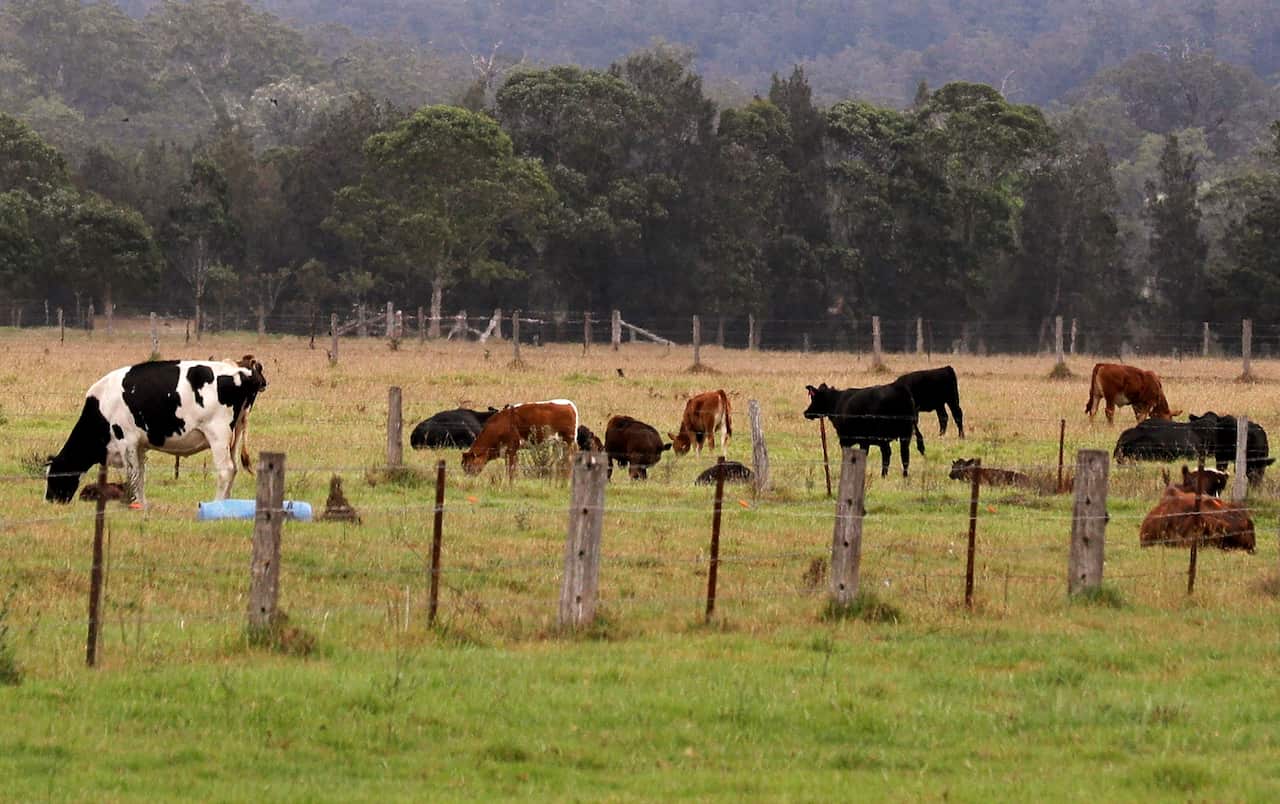
Cattle Council Australia president Lloyd Hick said Australian beef cattle producers deserved to be concerned about the threat.
"This disease will destroy our industry and can easily re-enter Australia by sticking to clothing," Hick said.
“Cattle Council expects the biosecurity response to escalate whenever the threat increases. Bio-resistant resources must be put to good use to maximize the protection of our industry.”
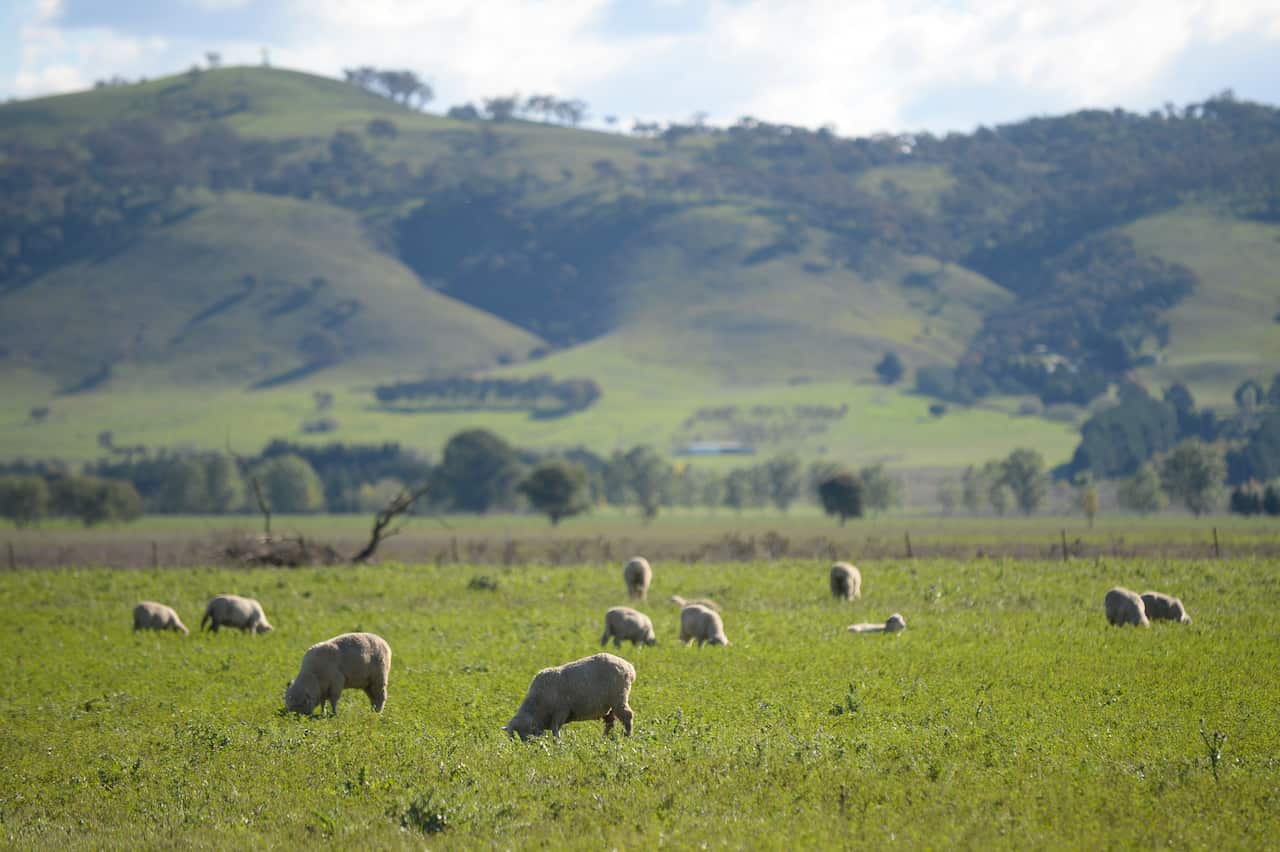
Sheep Producers Australia CEO Bonnie Skinner said they have always taken the threat of exotic diseases such as FMD very seriously and have been deliberately and proactively working to continuously improve their bio-resistance capabilities.
“The value of what we produce is determined by our capacity to export. International trade is vital to the Australian economy, providing jobs and prosperity. We must be able to anticipate the threats and opportunities that give Australia the ability to provide food security both domestically and internationally,” said Skinner.
NSW Farmers Chief Policy Officer Annabel Johnson said it was important for everyone to help prevent FMD from entering our region.
"It's natural for farmers to be very concerned about the impact of this disease if it reaches Australia," Ms Johnson said.
“That is why NSW Farmers have called for a stronger bio-resilience system, and we are pleased to see the NSW Government take steps in that regard with its new budget.
"Now is the time for all levels of government, all industry, all Australians to come together and make sure our biodiversity protection is as strong as possible."
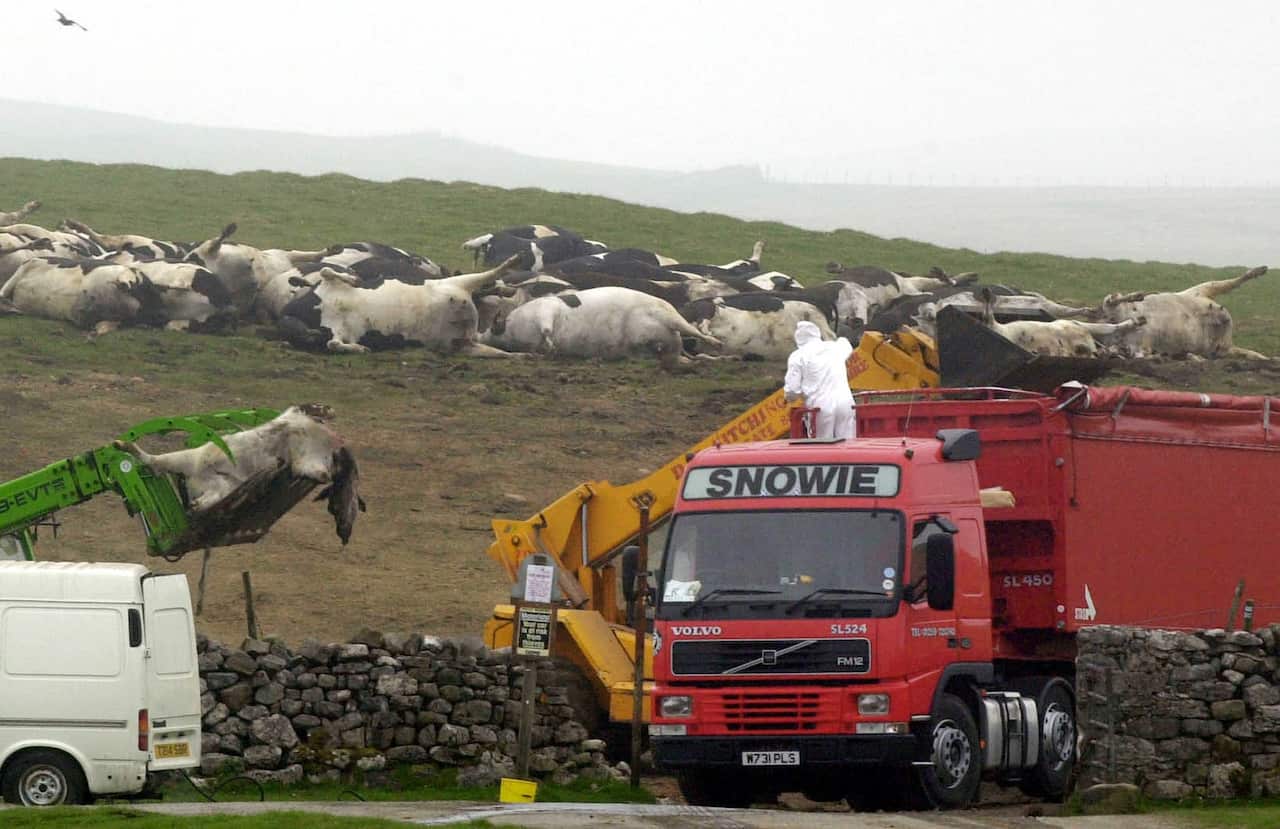
State Women's Association President Joy Beames said biosecurity was everyone's business and the costs would go far beyond the agricultural sector.
“When we talk about FMD, we are talking about threats to Australia's $100 billion industry; a threat that could cost people their entire livelihood in the blink of an eye,” Beames said.
"If FMD reaches Australia, we may see a human and agricultural tragedy, and this is my concern."
For more information, visit: https://www.dpi.nsw.gov.au/animals-and-livestock/beef-cattle/health-and-disease/viral-diseases/fmd
Listen to SBS Indonesian every Monday, Wednesday, Friday and Sunday at 3 pm.