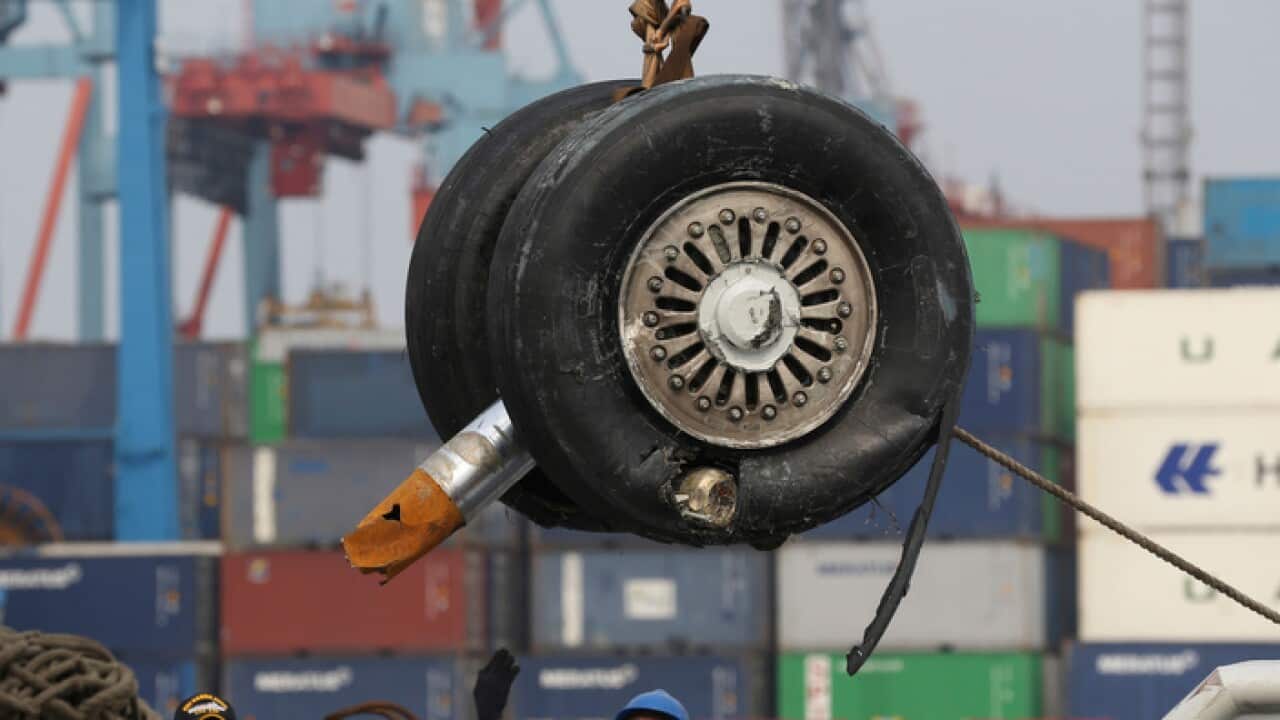
The comments shed further light on the areas under scrutiny as investigators prepare to publish their preliminary report on Nov. 28 or 29, one month after the Lion Air Boeing 737 MAX dived into the Java Sea, killing all 189 on board.
Until now, public attention has focused mainly on potential maintenance problems including a faulty sensor for the ‘angle of attack’, a vital piece of data needed to help the aircraft fly at the right angle to the currents of air and prevent a stall.
Now the investigation’s focus appears to be expanding to the clarity of U.S.-approved procedures to help pilots prevent the 737 MAX over-reacting to such a data loss, and methods for training them.
Soerjanto Tjahjono, head of Indonesia’s transportation safety committee of crash investigators (KNKT), said on Monday that Indonesian regulators would tighten training requirements as a result of the findings of the investigation so far.
“We know, because this incident happened, we know we need additional training,” he said.
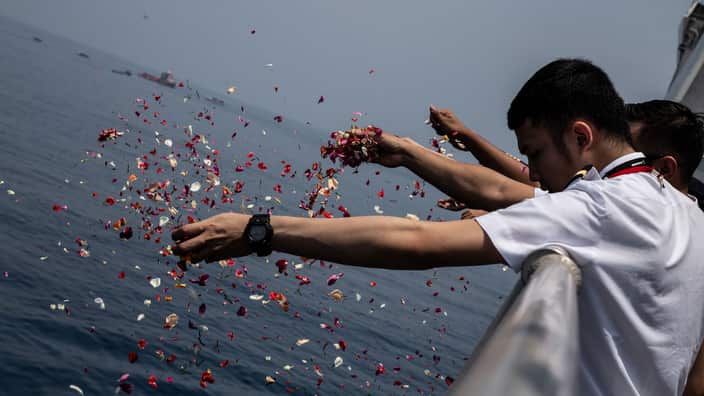
The comments focus attention on the contents of aircraft manuals and a conversion course allowing pilots of the previous generation of Boeing jet, the 737NG, to upgrade to the MAX.
The manual had not covered how to handle a situation like the one that occurred in the crash, Soerjanto told reporters.
Lion Air officials said on Monday that they had followed a training regime approved by both U.S. and European regulators.
The approved training was restricted to three hours of computer-based training and a familiarization flight, Lion Air Training Centre general manager Dibyo Soesilo said during a media tour of the center on Monday.
The Oct. 29 crash was the first accident involving the 737 MAX, an updated version of Boeing’s workhorse narrowbody jet that entered service last year.