Co-founder Rusdi Kirana is furious over what he regards as attempts by Boeing to deflect attention from recent design changes and blame Lion Air for the crash, while the airline faces scrutiny over its maintenance record and pilots’ actions.
Kirana is examining the possibility of cancelling remaining orders of Boeing jets “from the next delivery,” according to a person familiar with his thinking. Another source close to the airline said it was looking at cancelling orders.
No final decision has been made, but discussion over the fate of $22 billion of remaining orders highlights the stakes surrounding an investigation involving Boeing’s fastest-ever selling jet, the 737 MAX, which entered service last year.
Lion Air has 190 Boeing jets worth $22 billion at list prices waiting to be delivered, on top of 197 already taken, making it one of the largest U.S. export customers.
Lion Air declined to comment. A Boeing spokesman said: “We are taking every measure to fully understand all aspects of this accident, and are working closely with the investigating team and all regulatory authorities involved. We are also supporting our valued customer through this very tough time.”
MAINTENANCE, SOFTWARE
Kirana, who is now Indonesia’s envoy to Malaysia but still carries weight at the airline he co-founded with his brother in 2000, ordered the review in response to a Boeing statement focusing attention on piloting and maintenance, the person said.
Boeing released the statement after investigators last week issued an interim report focusing on maintenance actions spread over four flights in the run-up to the doomed flight on Oct. 29.
Boeing is also examining software changes in the wake of the crash, while insisting longstanding procedures exist for pilots to cancel automated nose-down movements experienced by the 737 MAX in response to erroneous sensor readings.
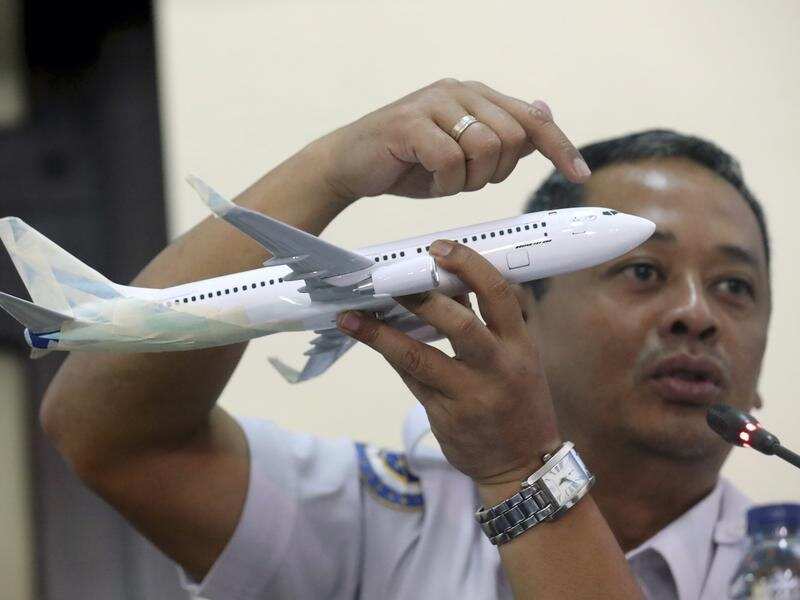
It has come under fire from U.S. pilots for not mentioning the MCAS system - a modification of existing anti-stall systems - in the manual for the 737 MAX, which began service last year.
“Why are they changing (software) if there was nothing wrong?” the person familiar with Kirana’s thinking said.
Boeing has said all information needed to fly the 737 safely is available to pilots and that its workhorse model is safe.
But the row highlights an unusually polarized dispute over the causes of the crash. Experts say most accidents are caused by a cocktail of factors and parties rarely comment in detail before the final report, which often follows a year of analysis.
In its statement, Boeing recapped the interim report and listed questions on maintenance and pilot behavior that it said remained unanswered in the 78-page document, but did not mention the MCAS modification covered in an earlier safety bulletin.