Every day we read about companies that are preparing and, in many cases, investing in infrastructure for electric vehicles (EV).
Transportation analysts claim that most car makers are planning several new EV models. The main producer, Tesla is leading in the number of models and EV sales in the world.
Many experts estimate that EV will reach 40% or more of vehicles on the road and even several countries including Norway, Britain, France, China, Germany, India and the US, have made a statement that the existence of gasoline cars will end in the next 10 to 15 years.
According to estimates by the International Energy Agency (IEA), 125 million electric vehicles will be on world roads by 2030.
In terms of current EV usage, China, France and the Netherlands are leading the use of pure battery electric vehicles, while Japan, Sweden and the UK have the highest share of plug-in hybrid cars.
The Chinese government has long encouraged the purchase of electric vehicles through subsidies and incentives so it is not surprising that more than 1.3 million New Energy Vehicles (electricity and hybrids) are sold in 2018.
Electric Vehicles in Australia
Electric vehicles have been on sale in the Australian car market since 2012. The number of pure BEV models available in Australia has increased and car manufacturers have issued more EV models.
Last year sales of plug-in electric vehicles reached 6718 cars, but that number only represented around 0.6% of the total car sales. In comparison, in 2018 as many as 1.3 million EVs / PHEV were sold in China, 360,000 in the US, and even 3682 in New Zealand.
The Electric Vehicle Council said the sales surge suggested consumers wanted the technology, despite the lack of direct incentives from the government.
Why is Australia slow to enter the electric vehicle market?
There are several reasons that cause this.
Price is probably the biggest factor.
The average price of an electric vehicle remains far more expensive than a combustion engine, it is almost impossible to get an electric vehicle at a price below $ 60,000, although the number of cheaper models continues to grow. Add luxury car taxes, import duties and stamp duty and suddenly the prices of these vehicles seem unreachable.
Anxiety about range. Although according to the results of research by several motorist groups that the average daily trip in Australia is less than 20 km each way, buyers continue to doubt whether they will be able to go on a school trip, start work, pick up groceries and return home again with one charge.
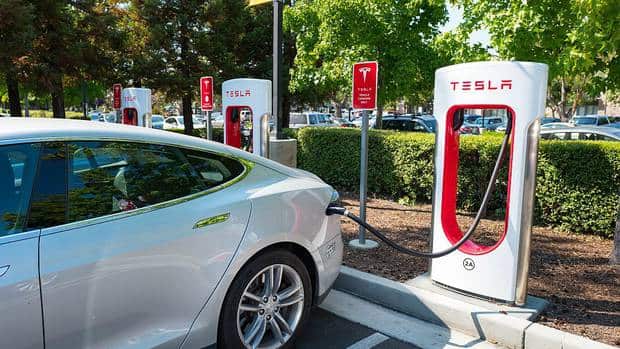
Electric car charging networks are currently almost non-existent. It has failed to offer the same comfort or confidence enjoyed by drivers of gasoline or diesel-powered vehicles.
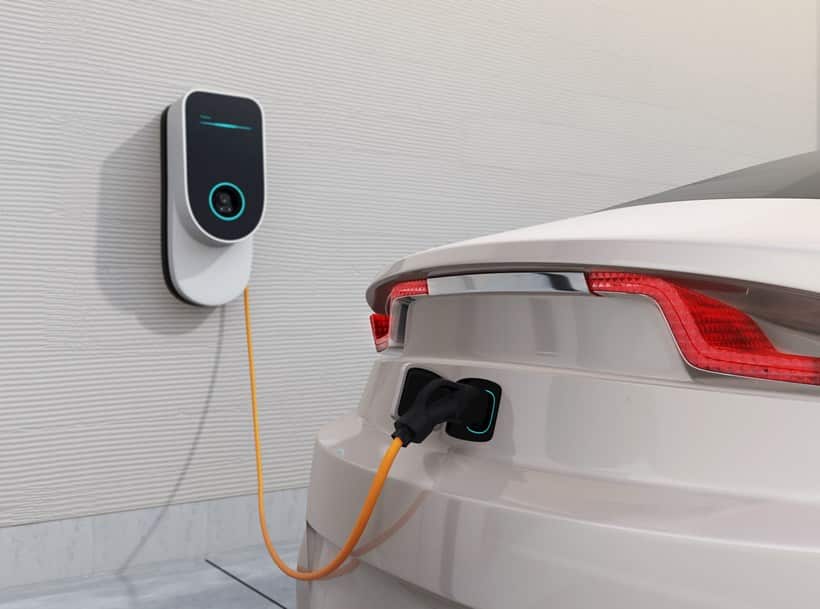
The charging time is relatively longer. This varies depending on the type of car and the type of charger. Charging at home using a 240 volt socket is the slowest, but EV will reach full charge overnight. A public DC quick charger will take around 40 to 50 minutes to charge up to 80 percent.
The advantage of having an EV electric vehicle
The cost of refilling at home can vary if you don't use diesel, the cost of electricity in your area, depending on the rate you use and whether you recharge at peak times.
The average cost of electricity in Australia is $ 0.30 per kilowatt, and it takes around 18kW to cover a distance of 100 km, so the average cost of $ 5.40 to cover a distance of 100 km, less if you use a lower tariff. In comparison, according to the Australian Bureau of Statistics, it costs an average of $ 16.65 to travel 100 km on gasoline in your tank and $ 7.50 per 100 km on diesel.
EV maintenance costs are also cheaper because you do not need to buy some items that need to be replaced such as spark plugs, engine oil and replacement filters.
Electric vehicles gentle on brakes because regenerative braking fills the battery more than damaging the brake parts.
Better for the environment. Less pollution: By choosing to drive an EV you are helping to reduce harmful air pollution from exhaust emissions. An EV has zero exhaust emissions. Renewable energy: If you use renewable energy to recharge your EV, you can reduce your greenhouse gas emissions even further.
The Future
While federal and state governments are discussing policies for electric vehicles and are trying to squeeze more revenue from declining fuel excise and tax revenues, car manufacturers and industry are taking control.
Now there already have a large number of rather affordable and luxurious electric vehicles available in Australia. And their driving range is also better than before for example, with Kia e-Niro who claimed to be able to travel more than 600 km on a single charge.
Industry has also taken steps to try and overcome anxiety by investing in high-speed charging highways powered by renewable energy throughout the country.
Analysts at Bloomberg New Energy Finance have projected a rapid decline in the cost of lithium ion batteries will cause EV to be as cheap as gasoline equivalent by 2025.