
The UN has officially declared Jakarta the world's most populous city with 42 million people, surpassing Tokyo. A demographer discusses the implications and whether the Indonesian diaspora should think twice about returning home.
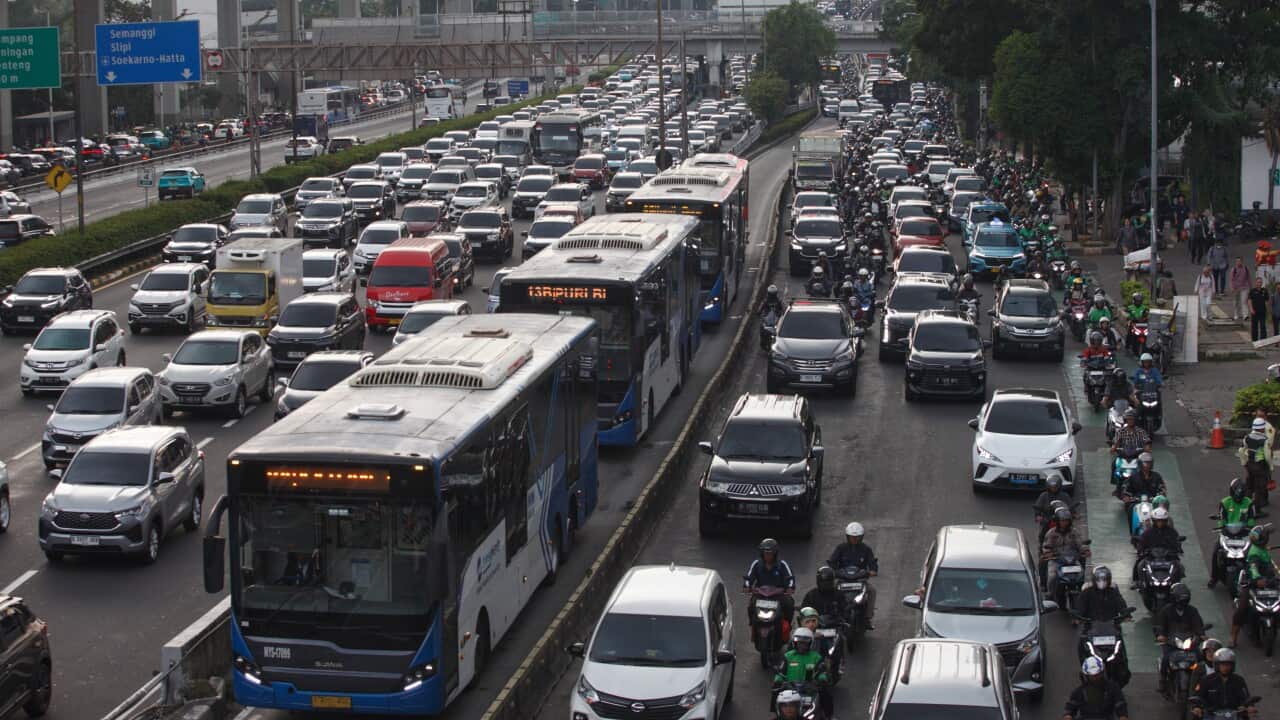
The UN's announcement naming Jakarta the world's most populous city, with 42 million residents, came as no surprise to Radit, an Indonesian student in Melbourne.
"I'm not shocked, because honestly, as a Jakartan, I've experienced firsthand just how crowded it is," said Radit, who used to navigate daily commutes using multiple modes of transport––car, MRT, ride-hailing motorbikes––from home to his Jakarta workplace.
The DKI Jakarta Provincial Government maintains that Jakarta's official population sits at just 11 million, with the 42 million figure including daily commuters from the Greater Jakarta area, known as Jabodetabek.

Dr. Salut Muhidin, a demographer and lecturer at Macquarie University in Sydney, explains that the UN applies the Degree of Urbanization (DEGURBA) methodology, a global standard classifying areas into cities, towns and suburbs, and rural zones based on population size, density and geographical contiguity.
Several questions emerge from this designation: What are the real impacts of this density? How can authorities tackle these challenges? With 40% of Jakarta sitting below sea level and continuing to sink, can they manage the situation? Will relocating the capital to Nusantara ease the pressure?
Yet Jakarta's density hasn't dimmed its appeal for those wanting to call it home. Despite enjoying Melbourne's higher living standards, Radit still plans to return. "There's a warmth you just can't find anywhere else," he said.
Listen to the full podcast.