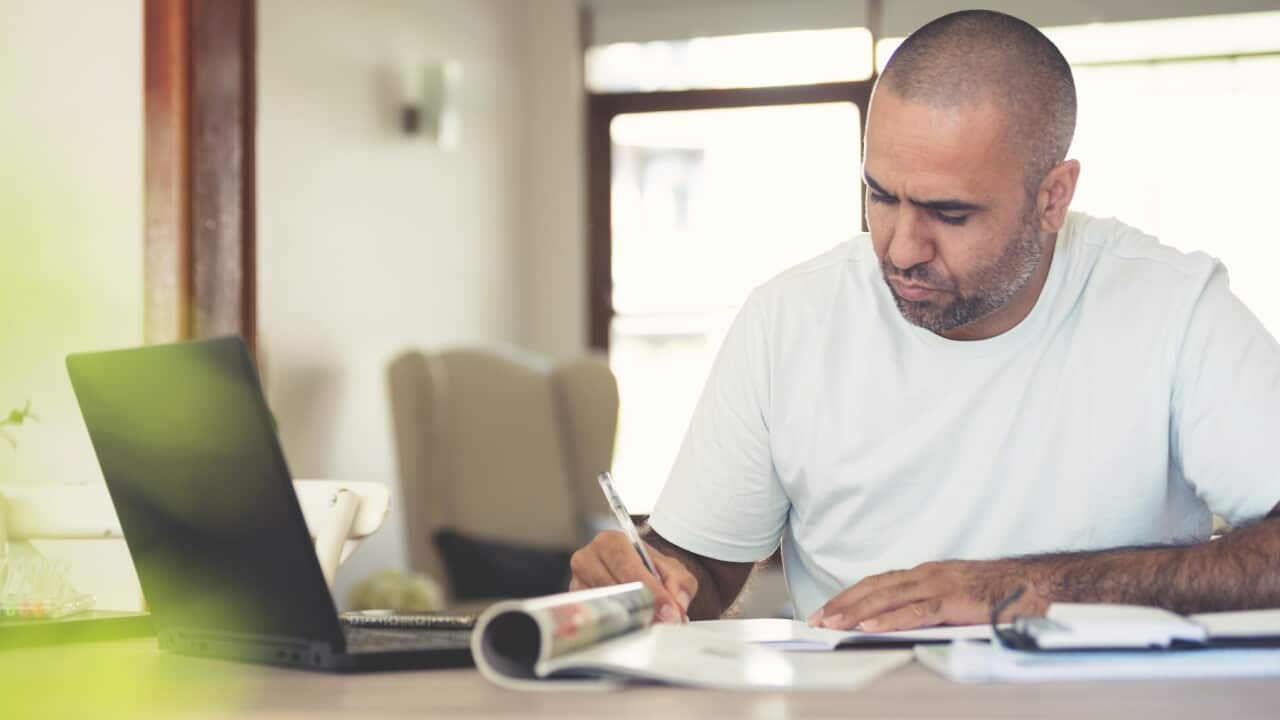

It's perhaps the most important New Year's resolution you'll make: writing a Will. More than half of Australia's population haven't written a Will and legal experts say anyone aged 18 or over should do so even if your assets are limited.
A Will is a legal document stating what you want to happen to your assets when you die.
Dying without a Will can lead to a large portion of your assets being claimed by government agencies, as well as disputes among family members.
This holiday season, legal experts say people should take some time out to write a Will and remove any future legal and financial burden from others.
An asset can be anything you own that adds financial value, such as your home, car, possessions such as jewellery or art, and money in your bank accounts.
You'll need to subtract any liabilities, which are debts you owe, such as a remaining mortgage or balances on credit cards and loans.
A Will forms part of what's called an 'estate plan' which protects your family and loved ones who may need access to any assets or investments you may have after you die.
In your Will, you can state things like how you want your assets shared, who will look after your children if they're still young, how much money you'd like to give to charity, and plans for your funeral.
Dying without a will is called dying 'intestate'.
The Australian Securities and Investments Commission (ASIC), Australia's financial services regulator, estimates that nearly half of Australians die intestate.
That can result in government agencies taking up to 30 per cent of an estate.
Brendan Rothschild says people don't necessarily need to spend hundreds of dollars to get a Will prepared.
If you choose not to work with a solicitor, you can engage a 'public trustee' or statutory authority.
A public trustee may not charge if you're a pensioner, aged over 60, or if you nominate them to be your executor.
You can also buy online will kits to write your will yourself.
If you go down this road, ASIC recommends getting it checked by a solicitor or Public Trustee to ensure it's been done properly and isn't invalid.
Download the free SBS Radio app to listen live and on-demand or explore podcasts.
https://podfollow.com/sbs-japanese
Visit our Facebook for more Japanese stories and images.