

American poet Wallace Stevens said the most beautiful thing in the world is the world itself. But for most us the COVID-19 pandemic has seen our world shrink to within the borders of our country.
ABS data from June 2021 also showed there were just 150,970 visitors to Australia a drop of 97.7 per cent from 2020.
This saw revenue from the international tourism sector drop by 96.1 per cent.
COVID also brought a sudden halt to decades of cheap travel which saw the affordability of air travel drop to the point where international flights became much more accessible to many Australians.
Beyond leisure travel, COVID-19 restrictions also fundamentally affected the lives of migrants in Australia.
Migration to Australia fell dramatically since the beginning of the pandemic but is expected to bounce back in 2022.
The latest official population data suggests net overseas migration will remain negative this financial year before slowly recovering to 235,000 per year from 2024-25.
This will leave the population smaller, with around 700,000 fewer people in 2025 than was expected before the pandemic.
For those migrants currently living in Australia, connecting with family and friends back in their homelands has been almost impossible.
Travel for educational and business purposes has also dramatically changed because of COVID.
Another area likely to be affected post-COVID is the budget travel market.
Dr Beirman says there was a large number of Australians who travelled to Thailand, Indonesia, Malaysia, and various other parts of Southeast Asia, with the expectation that it would be a very cheap holiday.
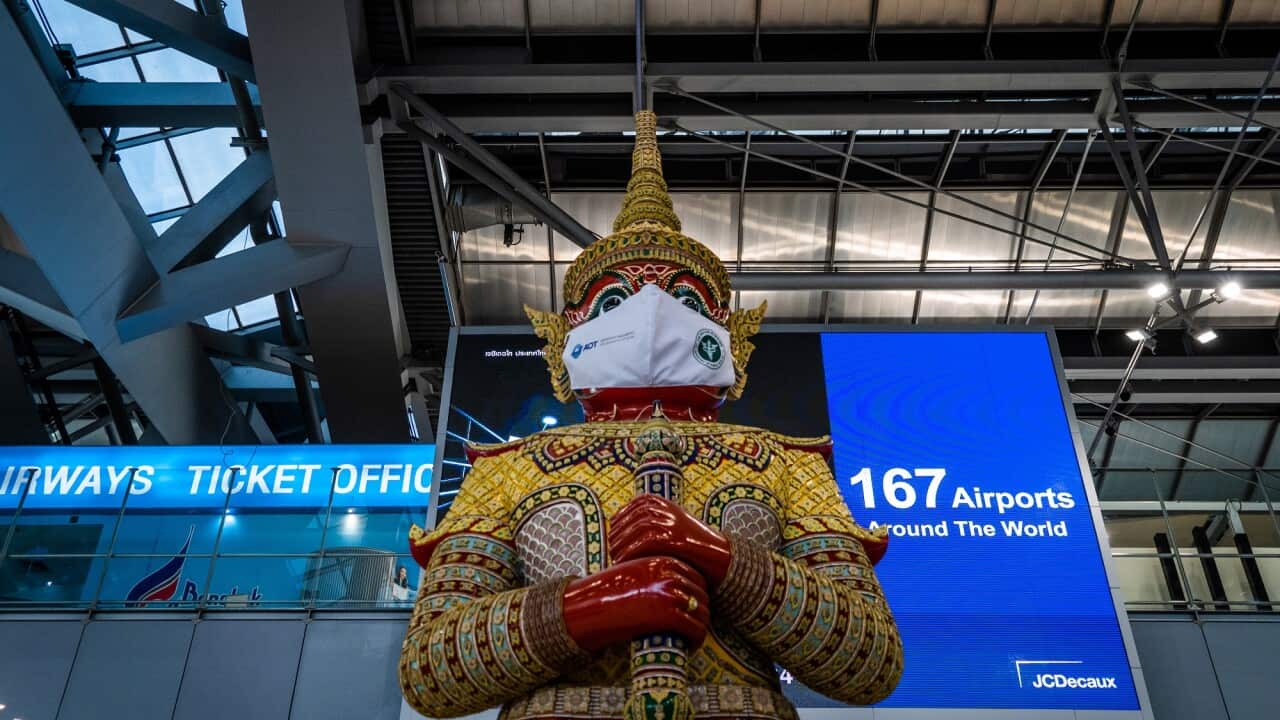
He says Thailand, which in 2019 was attracting 14 million international visitors - got less than a million in 2020 and the same for the 2021.
Download the free SBS Radio app to listen live and on-demand or explore podcasts.
https://podfollow.com/sbs-japanese
Visit our Facebook for more Japanese stories and images.