

Mizuki Tanaka is the one of the three traditional sentō-painter that remains in Japan today. Her works will be displayed in the Sydney Japan Foundation exhibition, Steam Dreams: The Japanese Public Bathhouse which will open on 12th February 2021.
Highlight
- Exhibition that surveys Japan's sentō culture will open on Feb 12th
- Mizuki Tanaka is one of the three traditional sentō-painters that remain today
- The key to preserving the culture, is to create opportunities for the young generation to be engaged with the art
Sentō, or public bathhouses in Japan has been around since the 6th Century. Initially introduced as buddhism ritual to cleanse the body of impurities, the bathing culture gradually became part of daily life during the Edo period(1603-1868), where bath in their own homes were a luxury enjoyed by a handful.
Large murals began appearing on the walls of sentō from the Taisho period(1912-1926), where bathers enjoyed the various landscapes of Japan created by sentō-painters.
Although sentō peaked after World War II, with the rise of private bath in homes, sentō began to decline, taking with them, the traditional sentō paintings and its painters.
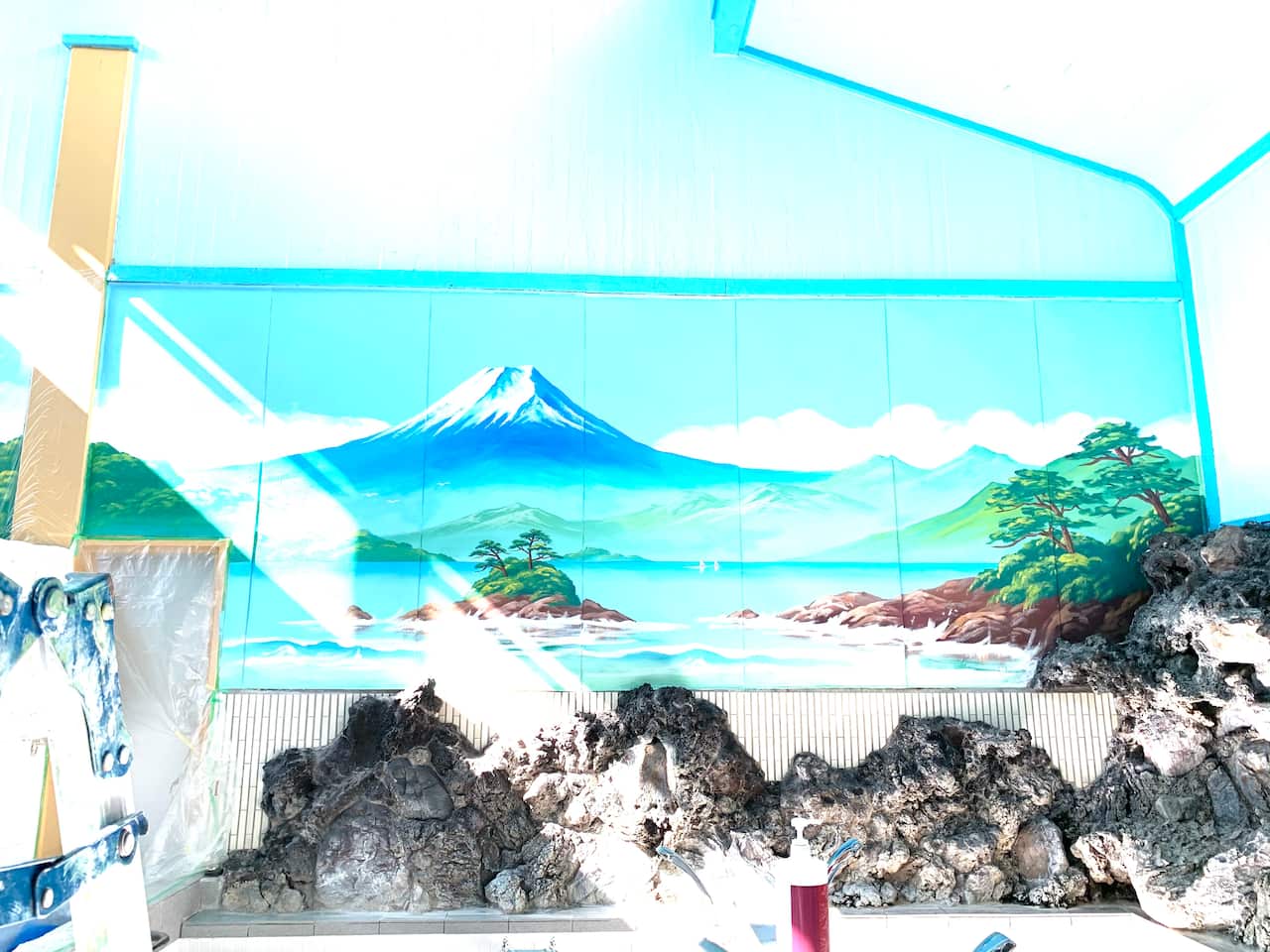
38 years old Mizuki Tanaka, is one of the three traditional sentō-painters that remain in Japan today, with the other two in their late 70s and late 80s, Tanaka feels the responsibility to preserve the culture.
Tanaka, who had never visited sentō, until she was searching for a topic for her thesis, says her very first experience at sentō was like no other.
"It was winter, and as the steam rose from the bath and fused with the clouds in the mural, I felt like I was part of the art work"
Ever since her first encounter with sentō, she has been in love with the art.
After 8 long years of apprenticeship under her master Morio Nakajima, Tanaka travels around Japan, creating mural in sentō, as well as bathrooms of hotels and ryokan-traditional Japanese inn.
"When young people ask me about sentō-paining, I make sure to talk to them, and walk them through it"
However, she believes that the key in preserving this unique Japanese culture lays in the foundation of a system that will financially secure the artist by doing sentō art, and sentō art only.
"With time, hopefully more young generation will become keen"
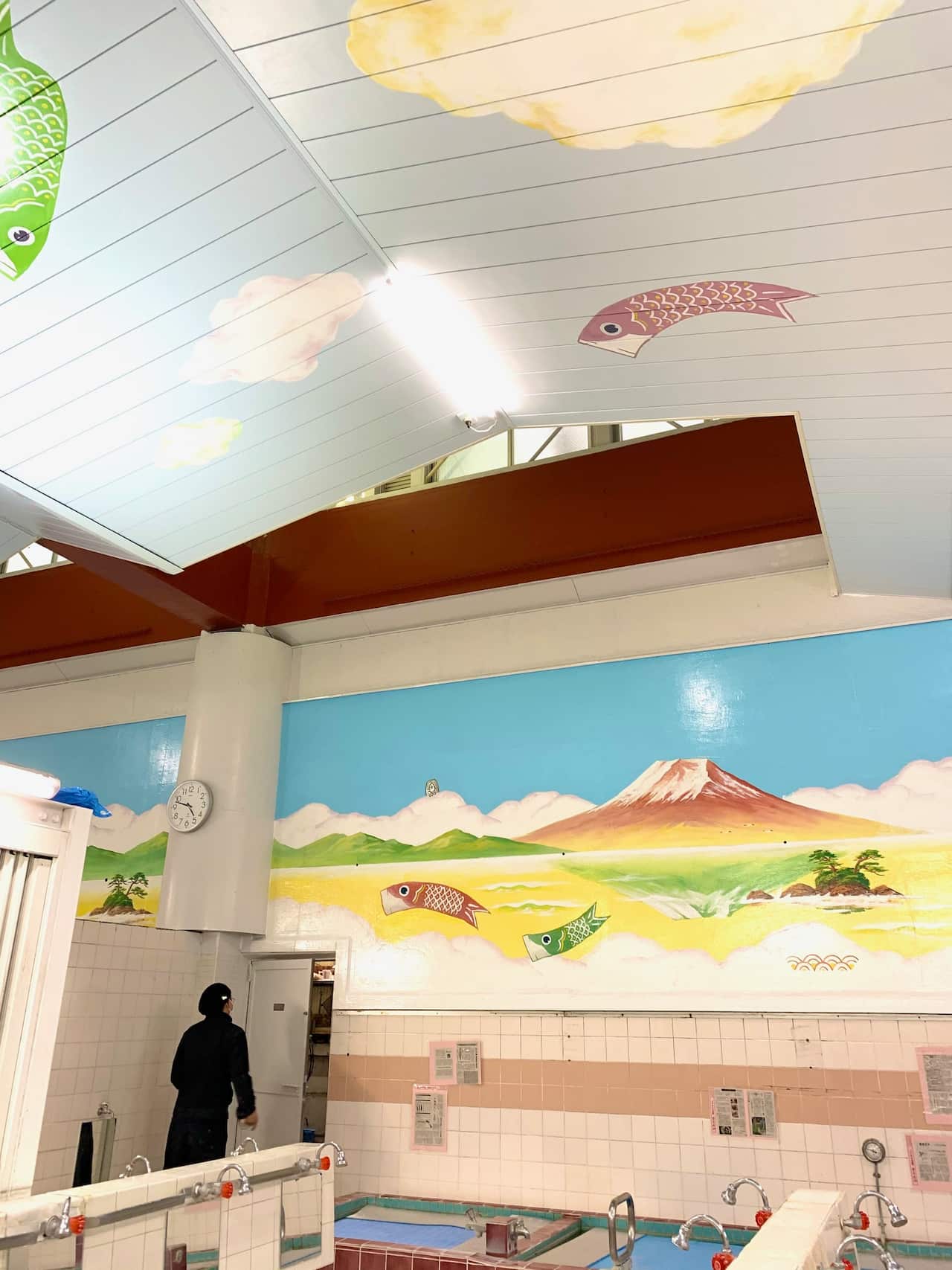
Symbol of Japan, Mount Fuji is the most common feature in the mural, for it represents good luck. But their colors, the angle, the position, and the surrounding pieces differ from one sentō to another - each one is very unique.
This will be the first time, Tanaks's art work will be displayed outside of Japan, and she is very excited.
"I hope that the Japanese people will feel nostalgic, and for people who has never seen a sentō-painting, I hope that it will take you deep into this unique Japanese culture"
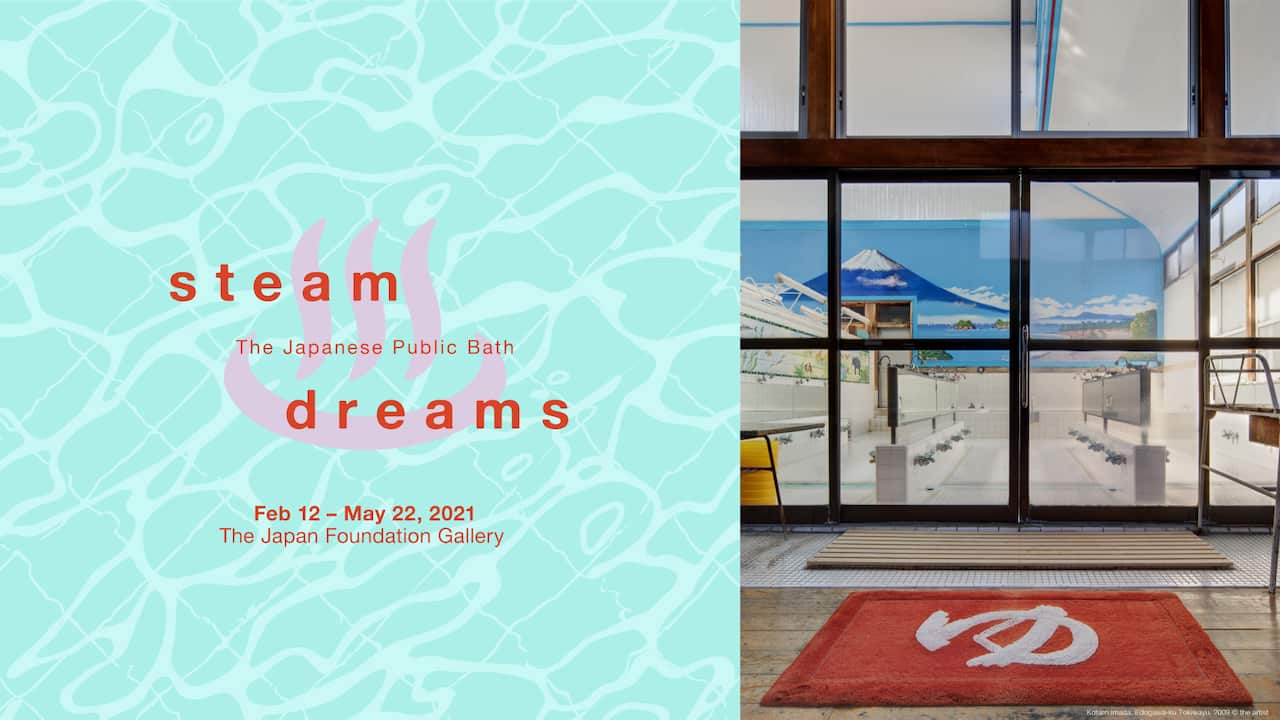
The exhibition, Steam Dreams: The Japanese Public Bathhouse will open this Friday 12th February at the Sydney Japan Foundation.
One of the curator of the exhibition, Simonne Goran said to SBS Japanese, that the ”charms surrounding public bathing in Japan, especially sentō, are unique and precious. Drawing a focus to sentō is especially important now, as the number of bathhouses in Japan continue to decline and make way for new urban development"
The exhibition celebrates not only the visual and design elements of sentō, but " also addresses the strive of local communities to preserve sentō".
" I hope that visitors gain some deeper understanding about this cultural phenomenon and the importance of its survival"
The exhibition will be on display until 22nd May 2021.