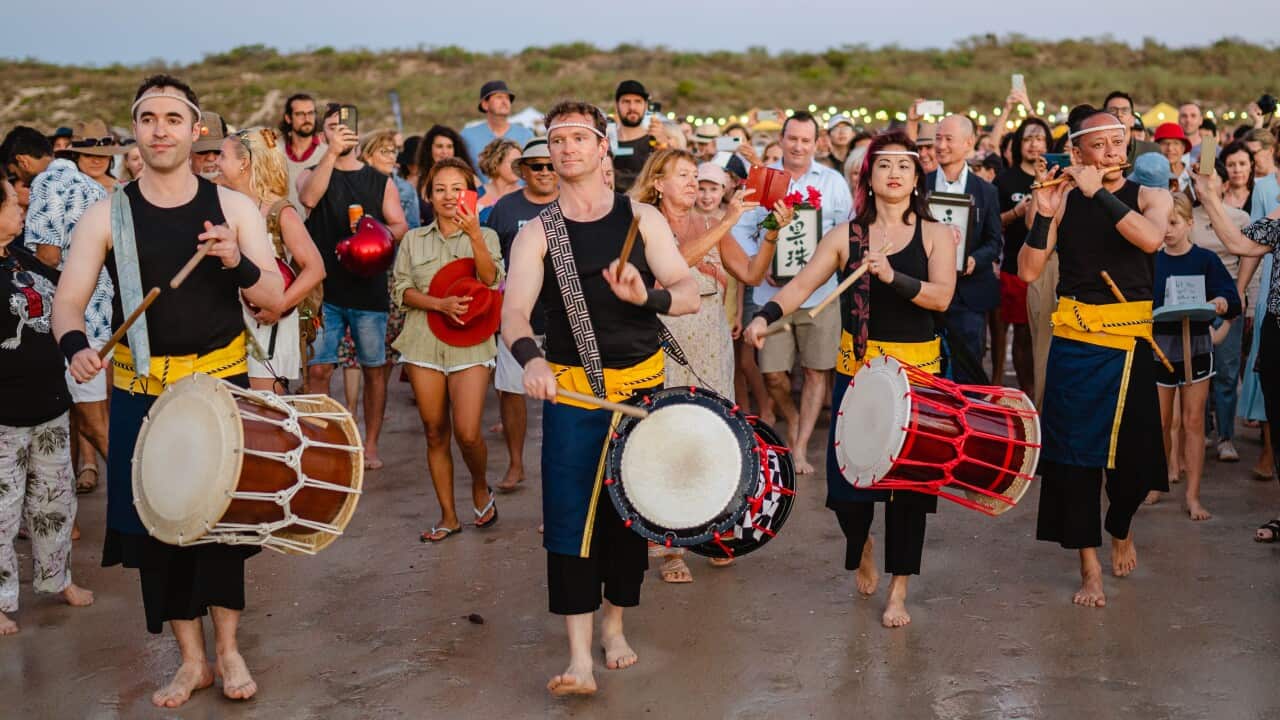

What began as a celebration of the safe return of pearl divers to shore, Shinju Matsuri today is a celebration of the various cultures that shape the unique community of Broome today.
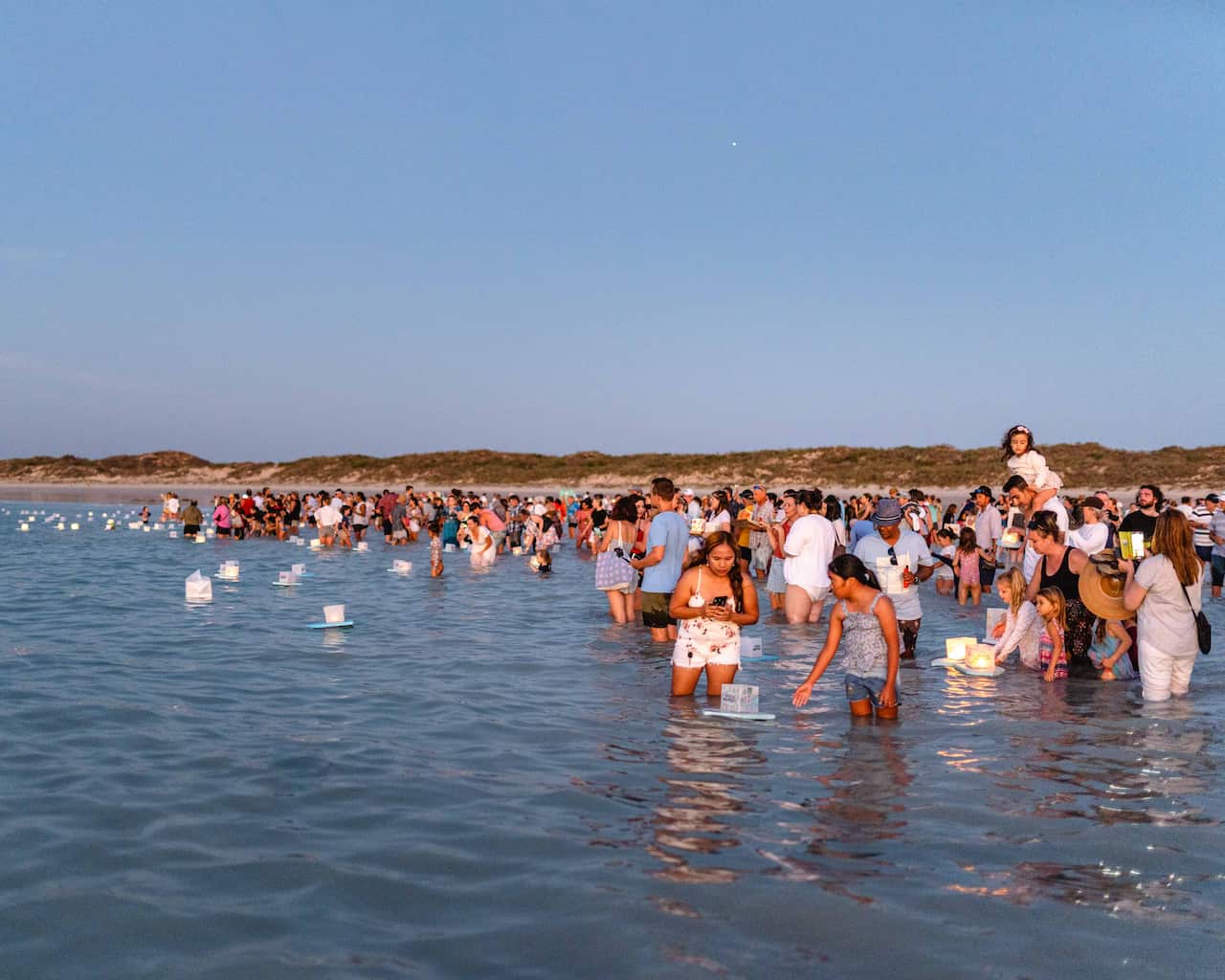
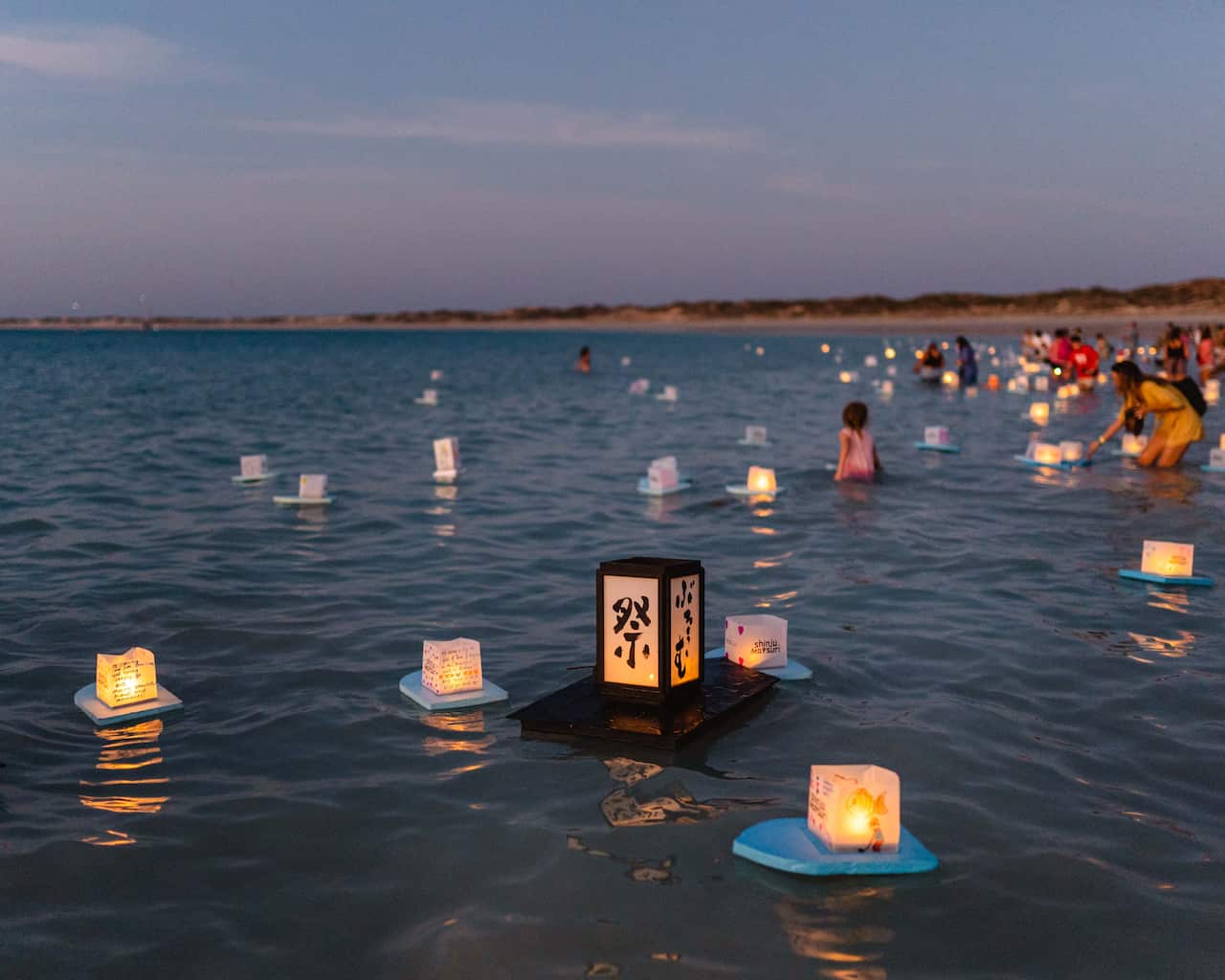
People in the hundreds gathered at Gantheaume Point, Broome Western Australia on Saturday to pay respect to the hundreds of pearl divers whose lives were lost at sea.
As part of the two-week-long “Shinju Matsuri” (pearl festival in Japanese) that began on August 22, handmade lanterns were released into the sea, a tradition that originates in Japan's Obon Festival, where the lanterns are believed to be guides for the spirits to come home.
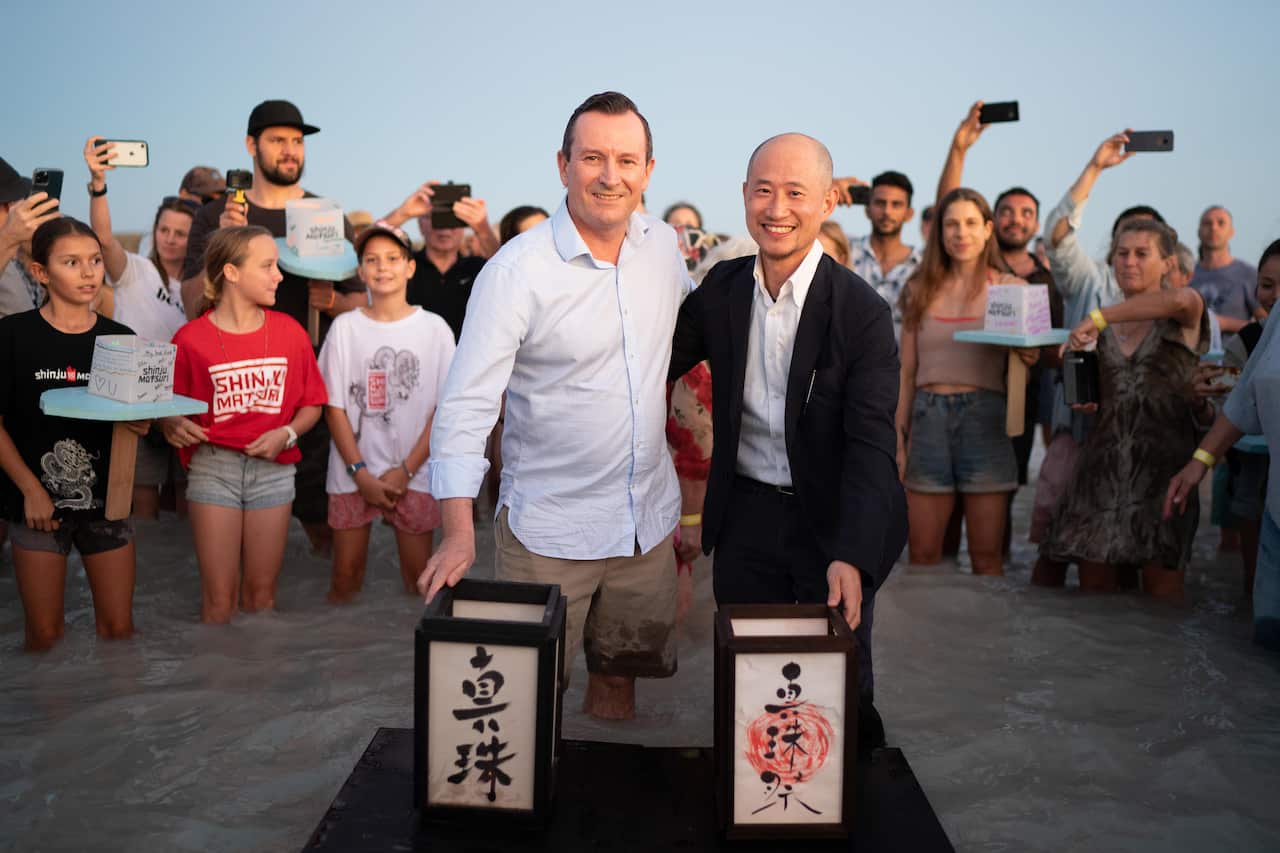
Leading this year’s floating lantern festival were Premier of Western Australia, Mark McGowan, and Consul of Japan in Perth, Atsushi Matsuo.
“The fact that this festival is now in its 51st year reinforces the importance of this festival to Broome and the whole of WA,” the Premier said in his Facebook post.
“It was a pleasure to take part in tonight’s Floating Lantern Matsuri, and to honour the generations gone before,” he continued.
Asian immigrants playing key roles
Although the term "Shinju Matsuri" is Japanese, it's a festival that celebrates the various cultures that helped shape the pearl industry of Broome today, combining Japan’s Obon Festival, the Chinese Hung Ting, and Malaysia’s Independence Day.
Since its inception in 1970, the wakening and blessing of the 38-metre long mascot, Sammy the Dragon, has been an integral part of the opening ceremony.
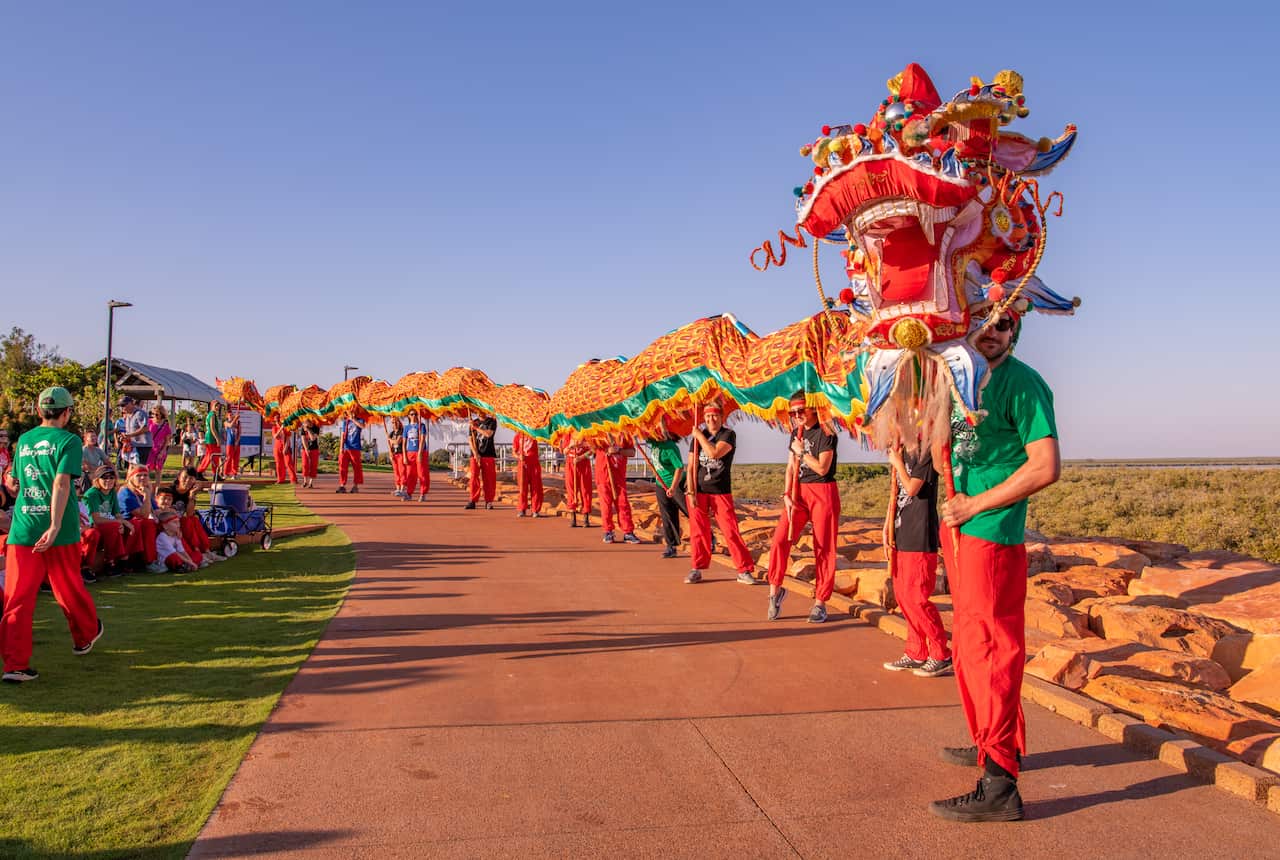
Broome resident and a prominent member of the local Chinese community, Doug Fong opened the festival this year, removing the blindfold of the dragon, and giving him blessings.
"I have been doing this for several years now," Mr Fong told SBS Japanese.
"I am the oldest living Chinese born in Broome (in 1938), so they have asked me to do the wakening. I also paint the eyes of the dragon boat open, as part of the ceremony, and is quite honourable."
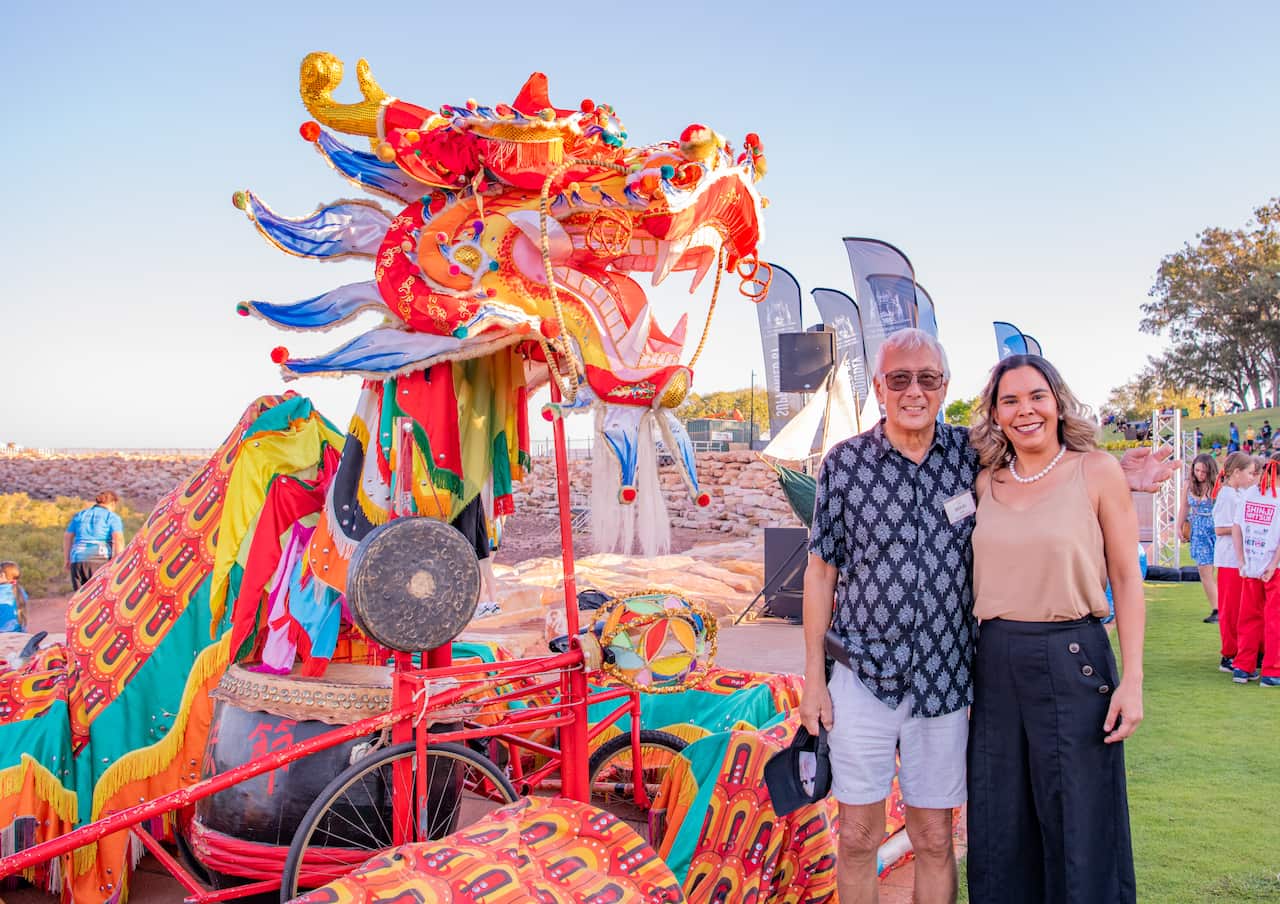
Mr Fong’s grandfather George Fong, arrived in Broome between 1918-1919, as a pearl dealer.
He owned two luggers and was an “unofficial coordinator between the Chinese and white workers" until World War II when everything was seized by authorities.
Broome: 'The Pearl of the north'
Known as the "pearl of the north”, Broome has been the pearling capital of Australia since the late 1800s.
Divers were used to collect pearl shells from the bottom of the ocean to make mother-of-pearl, which became a valuable export commodity. However, by the 1870s, pearls were exhausted from the shallow waters, such that deeper, more dangerous, and arduous dives were required.
Australians were reluctant to work, while Aboriginal and Torres Strait Islanders were said to dislike the diving suits that made deeper dives possible.
Asian labourers became crucial to this lucrative industry, such that Japanese, Chinese, Filipino and Malay pearl divers and workers arrived in droves, who were given an exception to the Immigration Restriction Act 1901, commonly known as the White Australia Policy.
The Japanese divers, in particular, showed great endurance and energy, such that they were more successful in their missions. However, as seen in the largest Japanese cemetery in Australia, they were by no means immune to the dangers of deep water diving.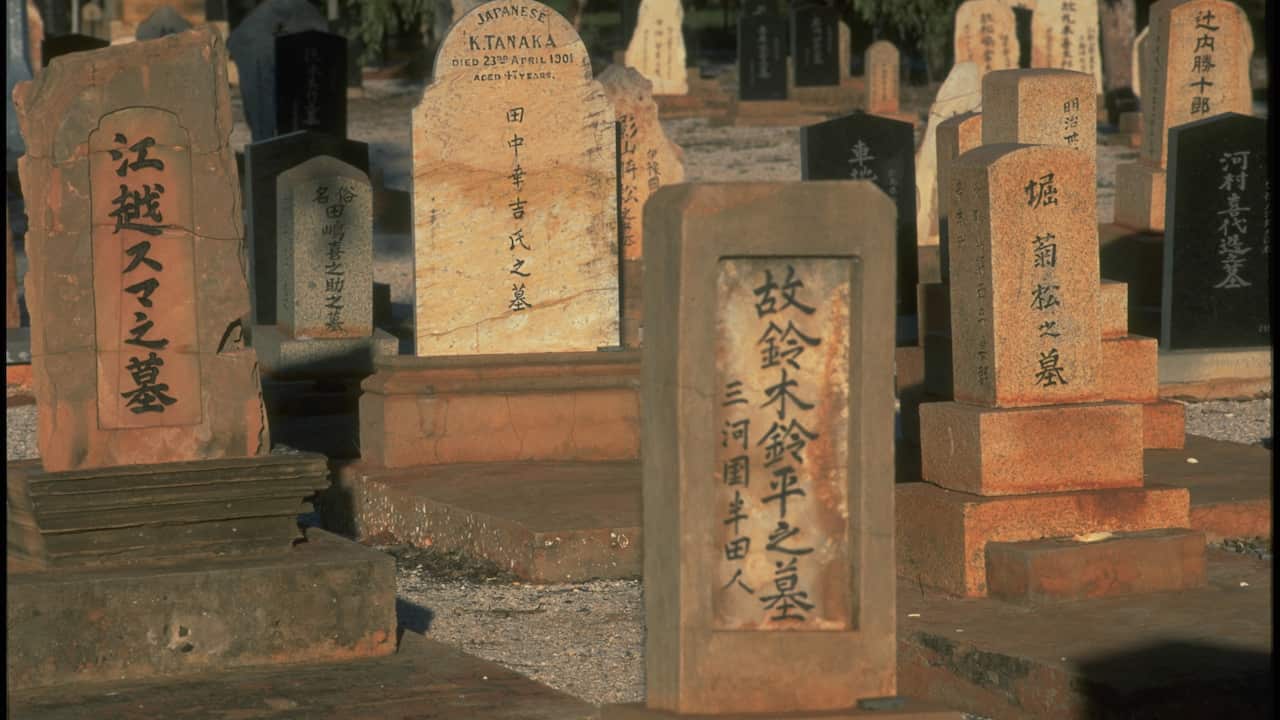
Built in 1896, there are over 700 headstones, and over 900 Japanese are thought to be buried, many in their twenties who sacrificed their lives for the pearling industry.
According to Tsunehiro Tanaka, a former diver who arrived in Broome on March 1963 from Wakayama prefecture, Japan, the Japanese community in Broome was already doing small ceremonies and prayers to the fellow divers who have lost their lives, prior to the establishment of the Shinju Matsuri.
Although his memories are now vague, Mr Tanaka worked as a helmet diver, in the early years alongside Aboriginal crew members and Malaysian pearl sorters.
Many of his fellow Japanese divers returned to Japan when wet suit diving was introduced in the 1970s, which required extensive swimming unlike the traditional helmet diving.
Mr Tanaka continued to dive until 2007, and is one of only two early Japanese divers left in Broome today.
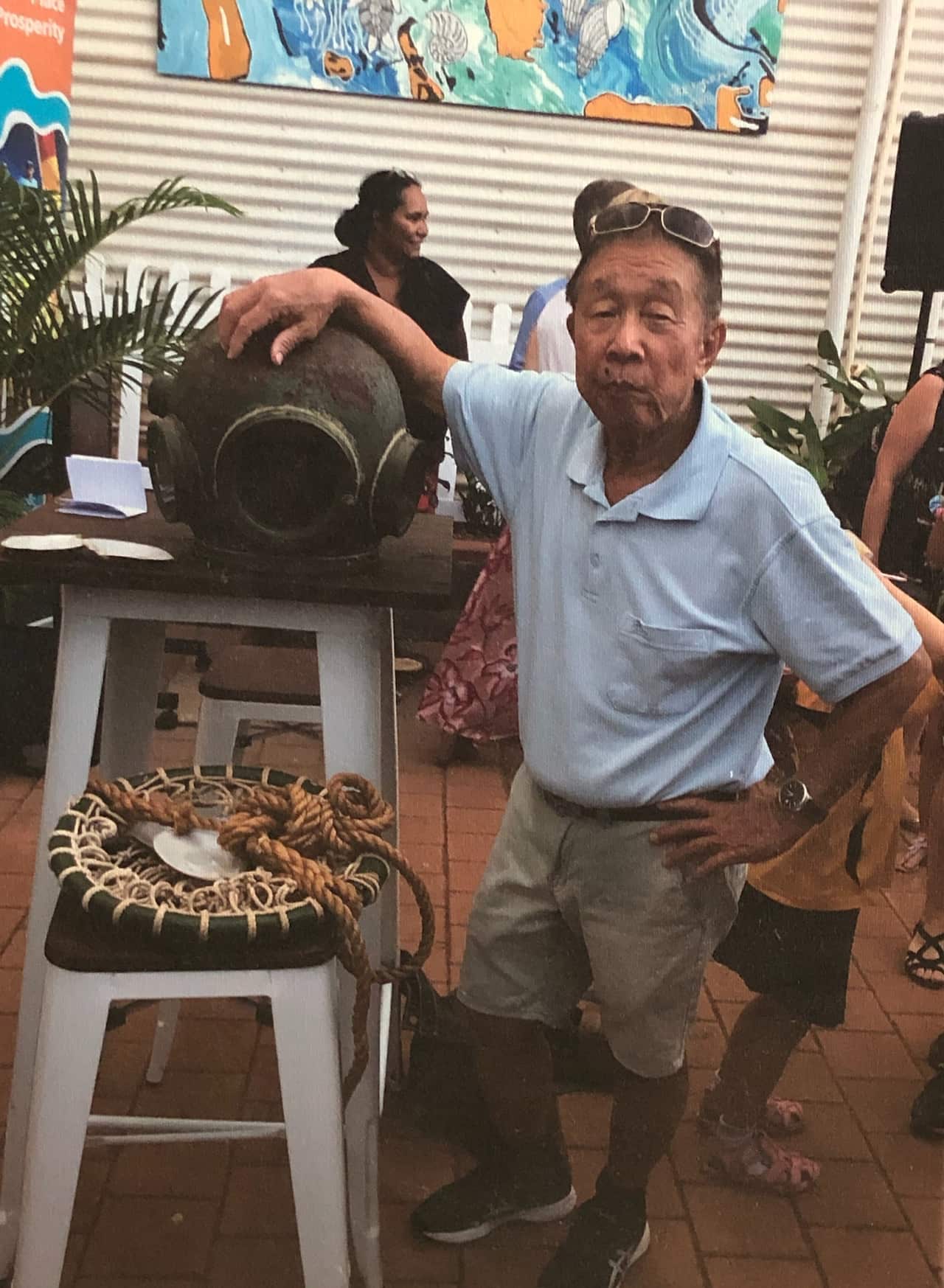
Looking back at his pearl diving days, he says, despite the White Australia Policy, he was "very welcomed by the community" and never experienced any discrimination, perhaps one reason Mr Tanaka has decided to call Australia, his second home.
Although no longer involved with the pearling industry, his contribution is well recognised in Broome, with a street named after him - the Tanaka Lane in Chinatown.
Shinju Matsuri today
What began as the celebration of the safe return of the pearl luggers to shore, Shinju Matsuri today is a celebration of the melting pot of cultures that make Broome unique.
From the Yawaru welcome to the country, to the "sleeping of the dragon" at the festival finale, people gather to share their heritage, culture, and stories.
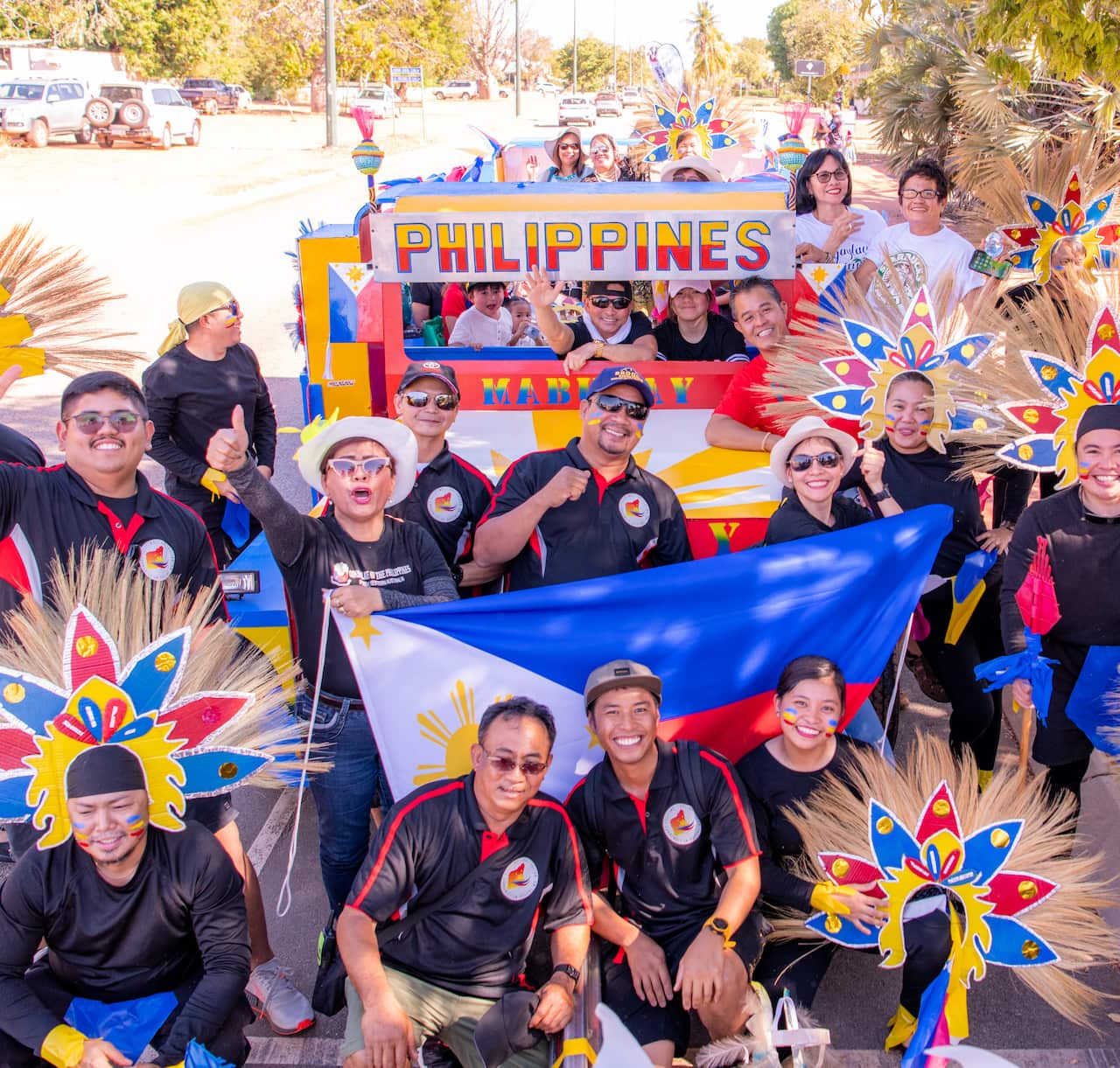
According to Mr Tanaka , a small town of 18,000 has ballooned to about 70,000, with tourists in recent weeks, the largest he has ever seen. With international borders shut, people are flocking in their caravans for extended trips, to enjoy the beautiful climate which Mr Tanaka, too, has fallen in love with.
The finale of Shinju Matsuri will be held on September 5.
Listen to SBS Japanese Radio on Tue, Thu and Sat from 10pm
You can listen to our past stories from our podcast
And don't forget to visit SBS Japanese Facebook page!