Non-Indigenous patients are nearly four times more likely than Indigenous patients to receive a kidney transplant.
First Nations people are also nine times as likely to be reliant on dialysis.
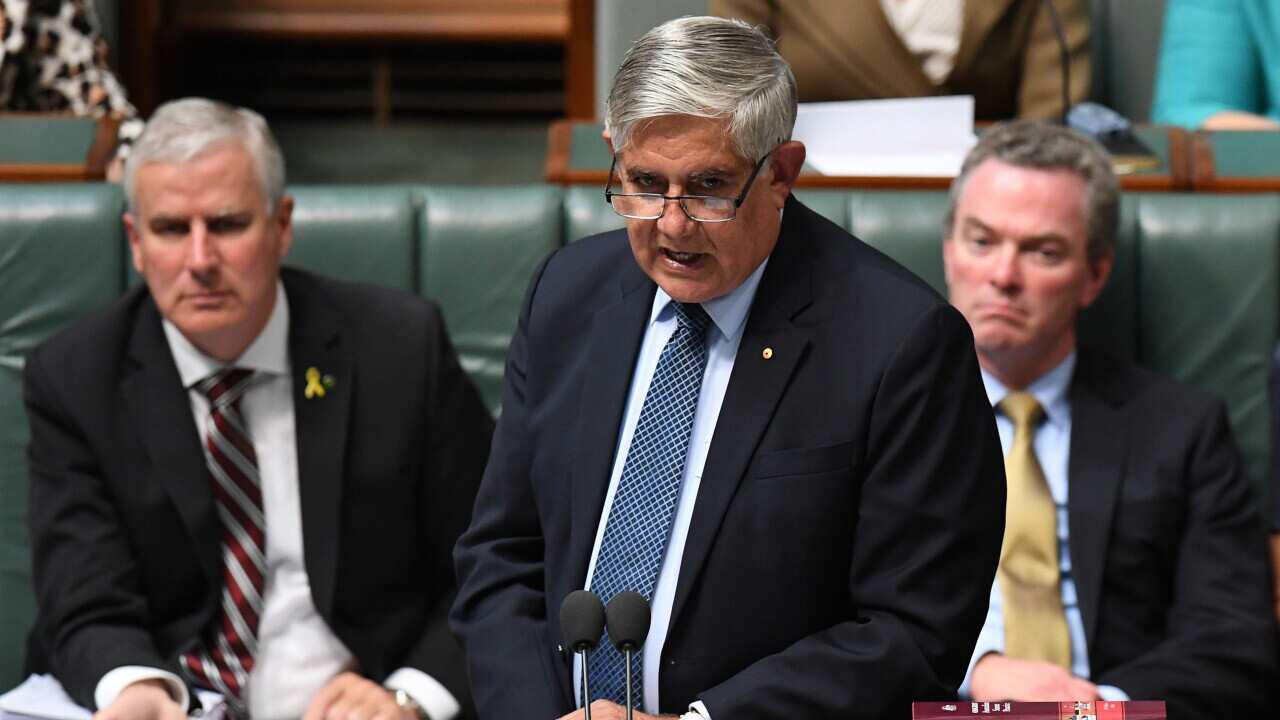
Indigenous Health Minister Ken Wyatt, who himself is of Indigenous heritage, said the issue is close to home.
“This review aims to increase Aboriginal and Torres Strait Islander transplant rates, reduce the burden of regular dialysis and give more First Nations people the chance to live fulfilling lives on country and in their communities.”
An expert panel has been tasked with coming up with a national framework to develop an integrated model of care to reduce the higher rates of end-stage kidney disease among First Nations people.
Indigenous Health Minister Ken Wyatt says $250,000 in government funding will allow the Transplantation Society of Australia and New Zealand (TSANZ) to lead a comprehensive review into the challenges faced by Aboriginal and Torres Strait Islander patients receiving treatment
"We know our people have seven times the rate of end-stage renal disease compared with other Australians, but are much less likely to receive a donor kidney. In December 2016 there were almost 2,000 Aboriginal and Torres Strait Islander people registered for kidney transplants and dialysis. But only around 13 per cent received transplants, compared with 50 per cent of other Australians,” Mr Wyatt said.