
A new Labor proposal to reform the tax system has triggered criticism from the Turnbull Government and shareholder associations. The plan would result in some investors losing their rights to dividends on investments, but critics say self-funded retirees would be the hardest hit.
Labor has defended its latest plan to reform the tax system, which would result in some investors losing their rights to dividends on investments.
The original scheme was introduced under then prime minister Paul Keating to make sure company profits are not taxed twice -- once with corporate tax and again via personal income tax.
But changes under John Howard in 2000 allowed investors to get cash refunds from the government if their tax imputations were more than the taxes they owed.
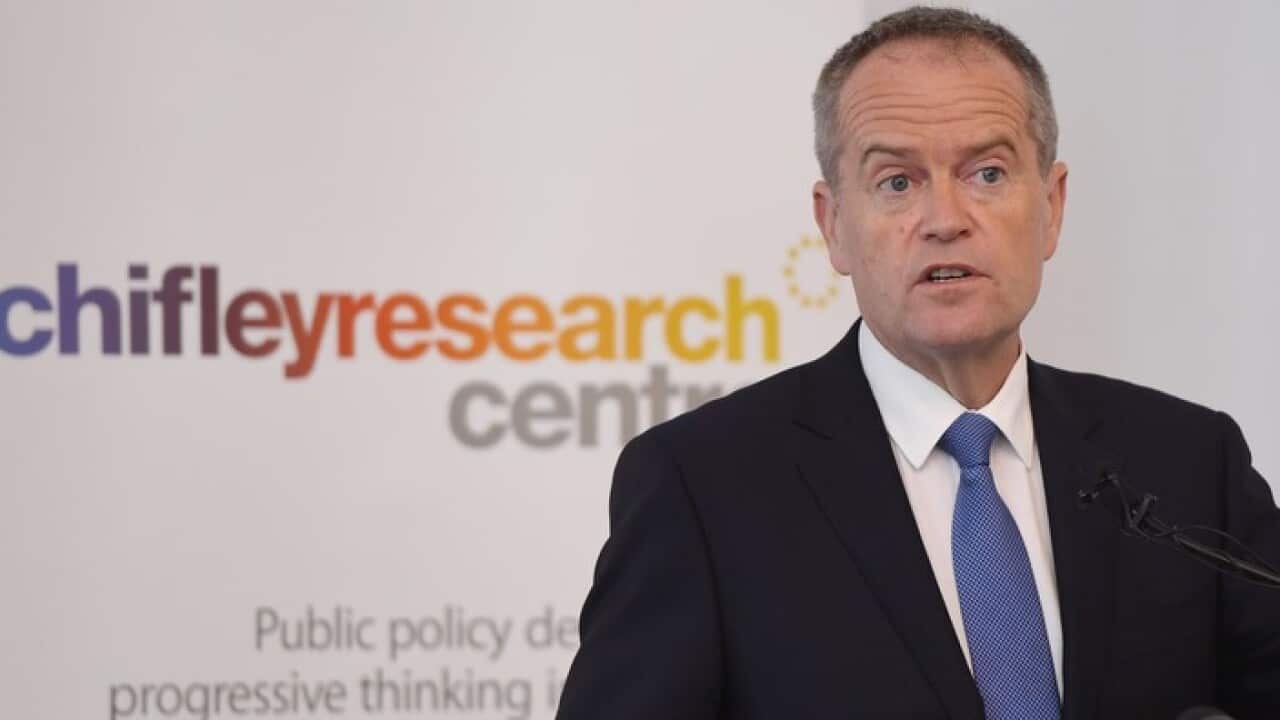
Opposition Leader Bill Shorten says the subsidy is forecast to cost the budget $8 billion every year and is letting wealthy investors who pay no tax still get cash refunds.
"Fifty per cent of the total benefits of this subsidy are going to the biggest 10 per cent of self-managed super funds, which have balances in excess of $2.4 million. Some of these funds are receiving cash refunds of $2.5 million."
Opposition Treasury spokesman Chris Bowen has told the ABC Labor is being proactive because the current system is no longer sustainable.
"John Howard and (his former Treasurer) Peter Costello changed the system to enable people to get a cash refund even though they haven't paid tax. Now, that was perhaps sustainable at the time, when the budget was in surplus and the mining boom was on, but, of course, it locked in permanent expenditure based on temporary revenue."
But the Turnbull Government has criticised the proposed reforms.
Treasurer Scott Morrison says, if adopted, the Labor policy would rob pensioners and retirees of their rightful tax refunds.
"It's a tax refund for tax that has already been paid. That's fair. It's fair that the government doesn't keep tax that you've overpaid. It's fair that we give that back, absolutely fair that we give that back. It's unfair to steal someone's tax refund."
The Australian Shareholders Association says Labor's proposed changes would disrupt many people's retirement plans.
It says retirees have structured their investments to take into account the receipt of dividends from companies that pay tax in Australia, knowing excess tax paid will be refunded.
Association chief executive Judith Fox says retirees and future retirees are being unfairly targeted.
"There's an enormous (number) of Australians out there -- and many of them are Australian Shareholders Association members -- who are fairly ordinary citizens. They're not wealthy people, but they have planned for their future. They've been working towards being able to be self-funded and not to be sort of any drain on the public purse. They've made careful plans. They've sort of thought about cashflow and where they're going to derive their income. And so these sorts of changes have an enormous impact on them."
The association says Labor's proposed changes would hurt investors who prefer companies that pay high dividends and which have already paid the 30 per cent corporate tax.
Ms Fox says there needs to be more consistency for retirees.
"For self-funded retirees, it's like the goalposts keep moving.* People have made plans, and they've sort of followed the rules, and then things shift. And what we'd like to see is a much more coherent, comprehensive, overarching tax policy from both sides of the divide, and for the politicians to stop having a go at** self-funded retirees on a sort of one-off basis, either through super or tax."