

Isolation, uncertainty and fear of the unknown. For the thousands on Australian temporary protection visas with no surety of their future, these emotions are all too familiar.
Zaki Haidari fled war-torn Afghanistan in search of a better life, but Australia’s visa system is proving that his journey to long-term security is far from over.
But as fundamentalist ideology took a firm grip on his homeland under the Taliban and the pursuit of education became a deadly ambition, then-17-year-old Mr Haidari's world would be turned upside down.
“I lost my older brother because (he was) a normal university student, then I lost my father. He was taken away accused of working with international forces. It was my turn to leave the country or I had to pay the price," he told SBS News.
Knowing he faced almost certain death if he refused to join the Taliban, the teen's mother made the decision to send her son abroad.
With limited English skills, next to no money and zero family to confide in, Mr Haidari boarded a people-smuggling boat.
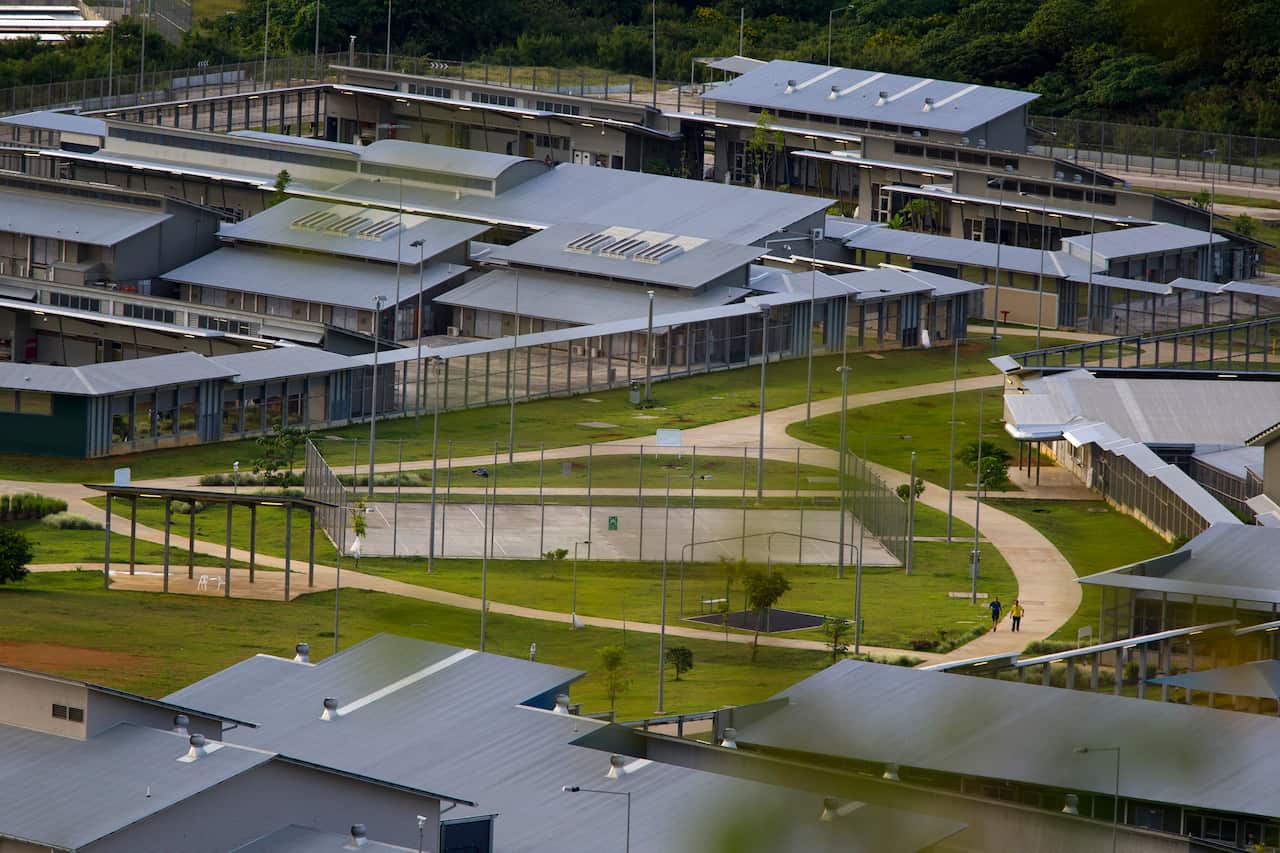
After arriving on Christmas Island aboard an overloaded boat and braving strong swells and punishing winds, the teen was held before being transferred to a detention facility in Tasmania.
“I was lucky that I (was then) released into the community on a bridging visa…I don’t know how I ended up being in the community and some of my friends ended up in Nauru and Manus Island," he said.
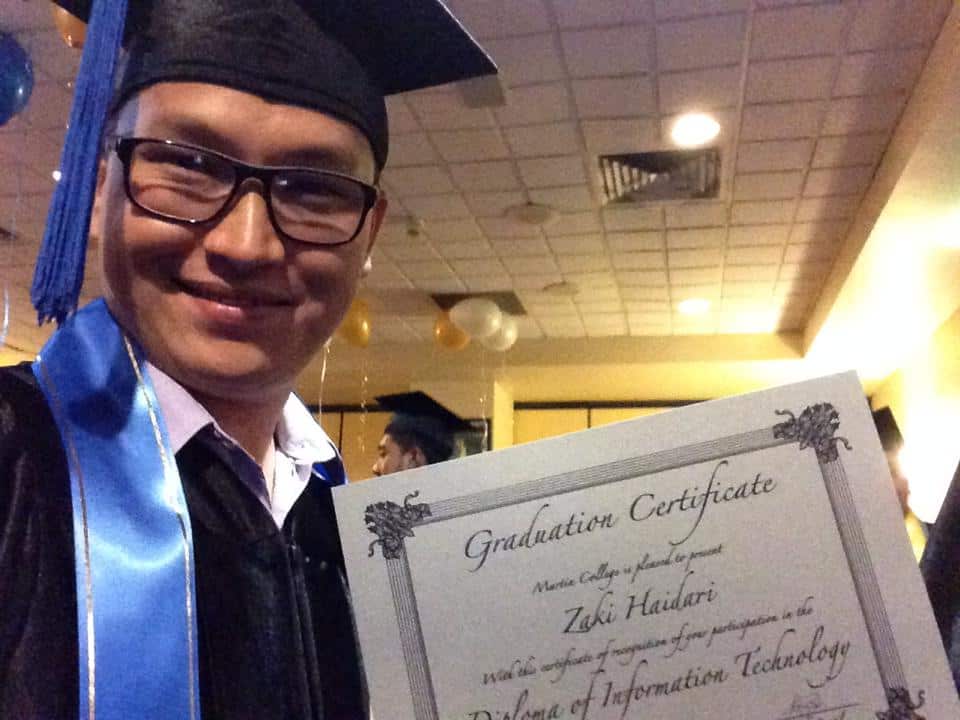
Mr Haidari went on to study business and marketing at Sydney’s Martin College, securing a full scholarship in the process and vindicating his mother’s belief in education, was awarded the NSW government’s International Student of the Year award in 2015 - just three years after making it to Australia.
Now living in Australia under the federal government’s Safe Haven Enterprise Visa (SHEV) scheme, Mr Hazara works as an admissions officer at the Australian National University in Canberra.
But despite overcoming adversity, he is acutely aware his fight is not over.
The Refugee Advice and Casework Service warns some Temporary Protection Visa and SHEV holders are now at breaking point, the uncertainty of their future and the difficulty of finding stable, long-term work is grinding away at their will to press on.
Mr Hazara told SBS News that while his story is one of much success, there is no guarantee he will maintain his peaceful life in Australia.
More than 15,000 people are living in Australia on temporary protection visas and more than 8,000 people who arrived by boat are still waiting on the government to determine their refugee status.
RACS principal solicitor Sarah Dale said many vulnerable people are left feeling broken by the system.
Mr Hazara said many people in his position are not only struggling with the prospect of deportation but the anxiety of already living without their loved ones.