

LGBTI activists continue to advocate for wider rights despite the legalisation of same-sex marriage in December 2017.
LGBTI is a collective term referring to lesbian, gay, bisexual, transgender or intersex people.
Homosexuality was a criminal offence in Australia under the influence of British imperial law. In New South Wales, men who engaged in same-sex intercourse were sentenced to life imprisonment until 1924. In Victoria, on the other hand, homosexual acts were punishable by death until 1949.
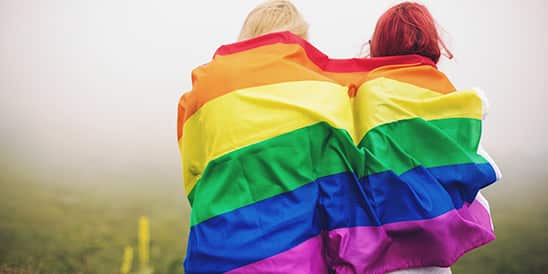
Although different states started decriminalising homosexual acts after South Australia changed its law in 1975, it wasn’t until 1997 when Tasmania became the last Australian jurisdiction to legalise homosexual acts.
A 2018 joint report by the Human Rights Law Centre, La Trobe University and Gay and Lesbian Health Victoria estimates that up to 10 per cent of lesbian, gay, bisexual, transgender, intersex and queer Australians are still subject to conversion therapy.
Statistics from the National LGBTI Health Alliance found that LGBTI young people aged between 16 to 27 are five times more likely to attempt suicide in their lifetime than their heterosexual counterparts.
The 2014 Face the facts statistics released by the Australian Human Rights Commission found that six in ten lesbian, gay, bisexual, trans and intersex people have experienced verbal homophobic abuse, whereas two in ten have experienced physical homophobic abuse. The rates were significantly higher for transgender men followed by transgender women.
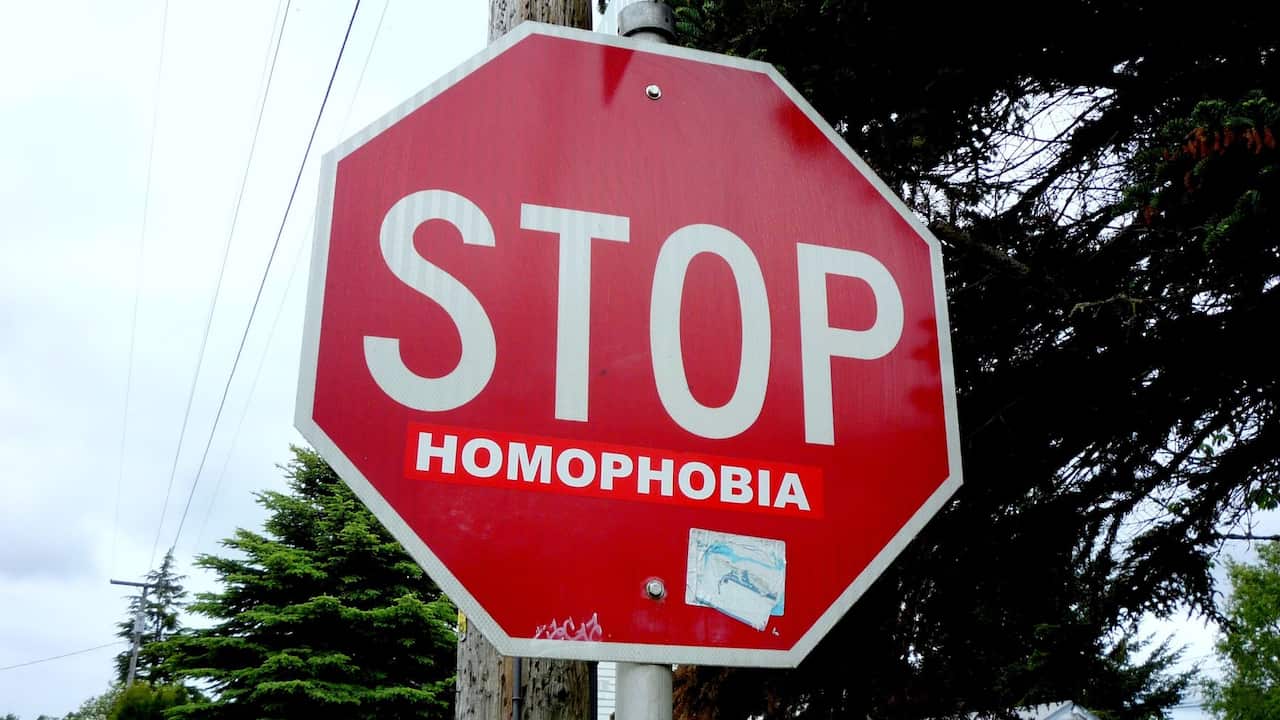
In 2008, the Rudd government removed discrimination against same-sex couples in federal laws such as superannuation schemes, social security, workers’ compensation, taxation, immigration, citizenship, aged care and health.
Since December 2017 same-sex couples have been able to legally marry in Australia.
Couples have also been able to adopt children in all Australian states and territory as of April 2018.
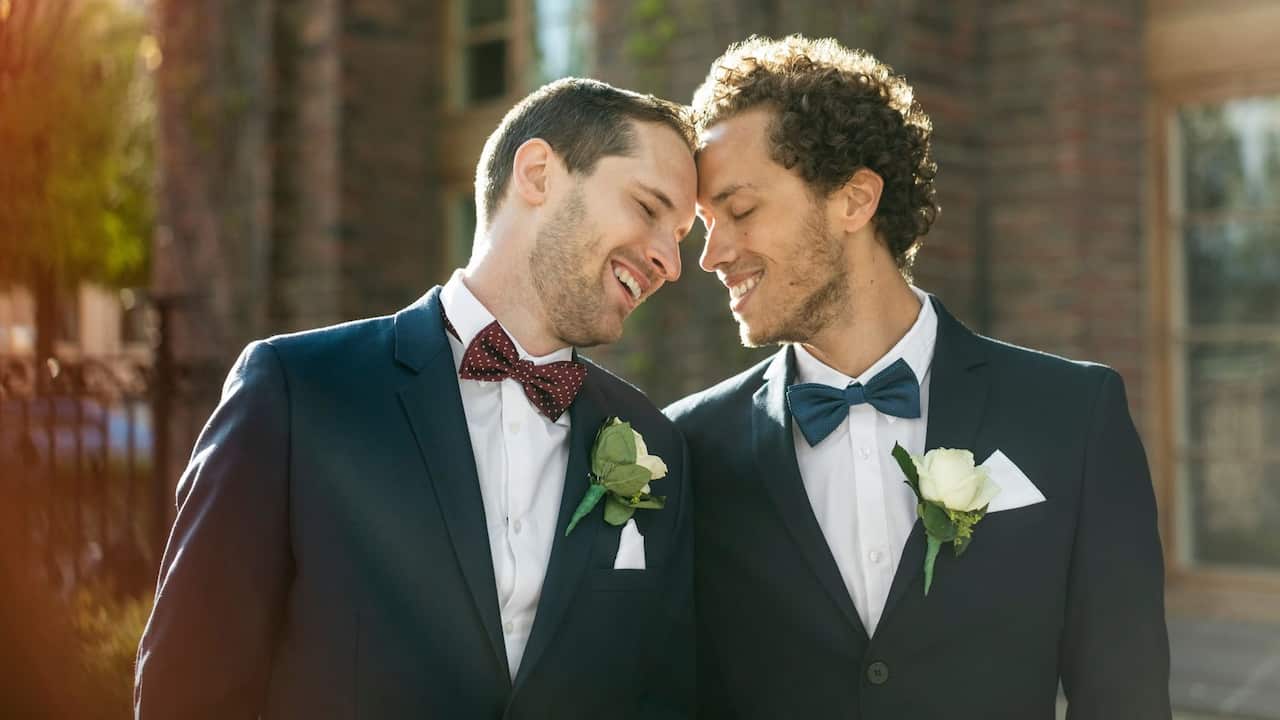
Equality Australia’s legal director Ghassan Kassisieh says broader social reforms still need to occur for every Australian to enjoy the same rights.
Having conducted extensive research on Australia’s multicultural LGBTI community as a senior lecturer with Deakin University’s School of Health and Social Development, Maria Pallotta-Chiarolli says real social change starts from the family.
If you’re struggling and need to talk to someone right now, call Lifeline crisis support on 13 11 14, Suicide Call Back Service on 1300 659 467, 1800RESPECT on 1800 737 732 and Kids Helpline on 1800 55 1800 (for young people aged 5 to 25). More information is available at Beyond Blue.org.au and lifeline.org.au.