

Two thousand days after Victoria’s Royal Commission into Mental Health promised systemic change, 121 Aboriginal and Torres Strait Islander people have died by suicide. Nicola Perry-Peters, director of VACCHO’s Balit Durn Durn Centre, discusses the urgent need for funded First Nations healing centres as culturally safe, holistic alternatives to a fragmented mainstream system.
Two thousand days have passed since Victoria’s Royal Commission into Mental Health delivered its final report.
In that time, 121 Aboriginal and Torres Strait Islander people in the state have lost their lives to suicide.
Nicola Perry-Peters, Director of VACCHO’s Balit Durn Durn Centre told NITV Radio, each death represents an aunty, uncle, son or daughter no longer at the family table.
If we are serious about preventing suicide, the government must invest in Aboriginal-led solutions that Aboriginal communities have been calling for over many years.Nicola Perry-Peters - Director of VACCHO’s Balit Durn Durn Centre
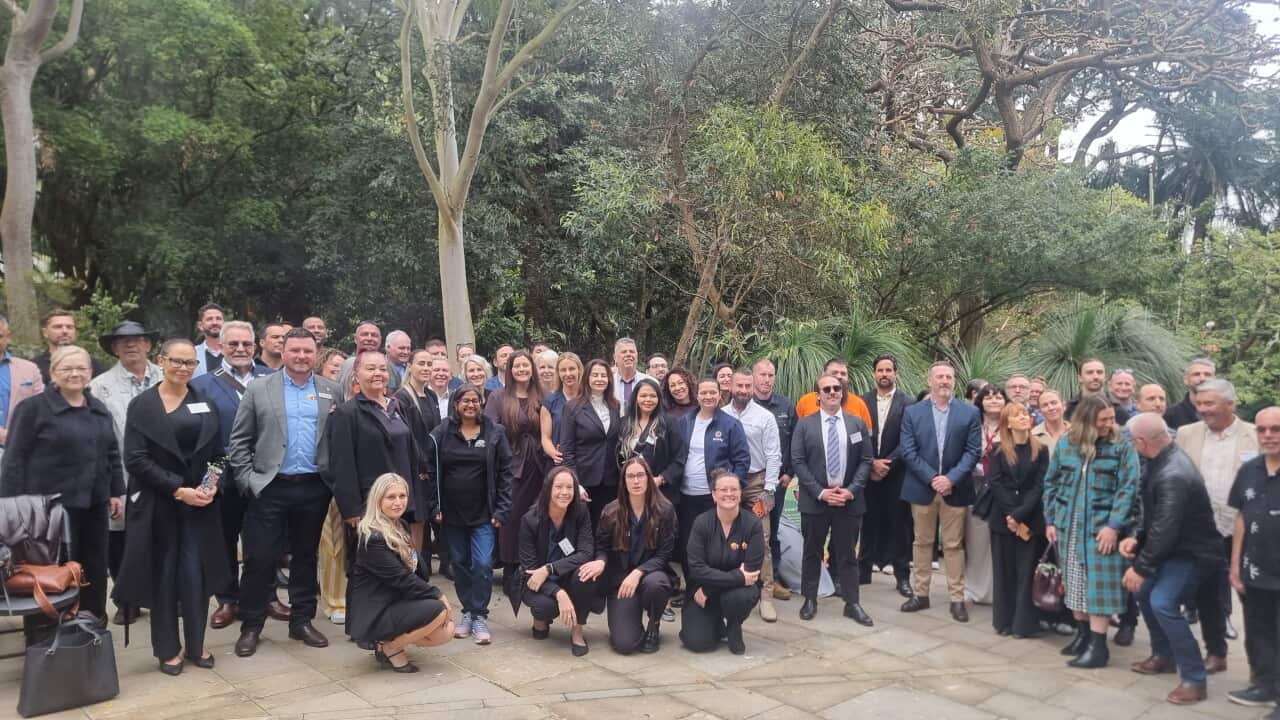
To mark the milestone, VACCHO staged a powerful display of 130 seats outside Parliament House — nine occupied, 121 empty.
Perry-Peters is calling for urgent funding of two healing centres, one metropolitan and one regional. These spaces would offer culturally grounded, holistic support that nurtures spirit, mind, body and soul — something mainstream services still fail to provide.
With suicide rates three times higher than for non-Indigenous Victorians and more than half of those deaths among people under 35, the centres are framed as essential early-intervention infrastructure that communities can no longer wait for.