
Two SBS journalists, both who are migrants to Australia, experience the 26th Garma Festival, Australia's largest Indigenous gathering.
Dilpreet Taggar Executive Producer SBS South Asian and Helen Chen, SBS Mandarin Digital Content Producer experienced Garma for the first time.
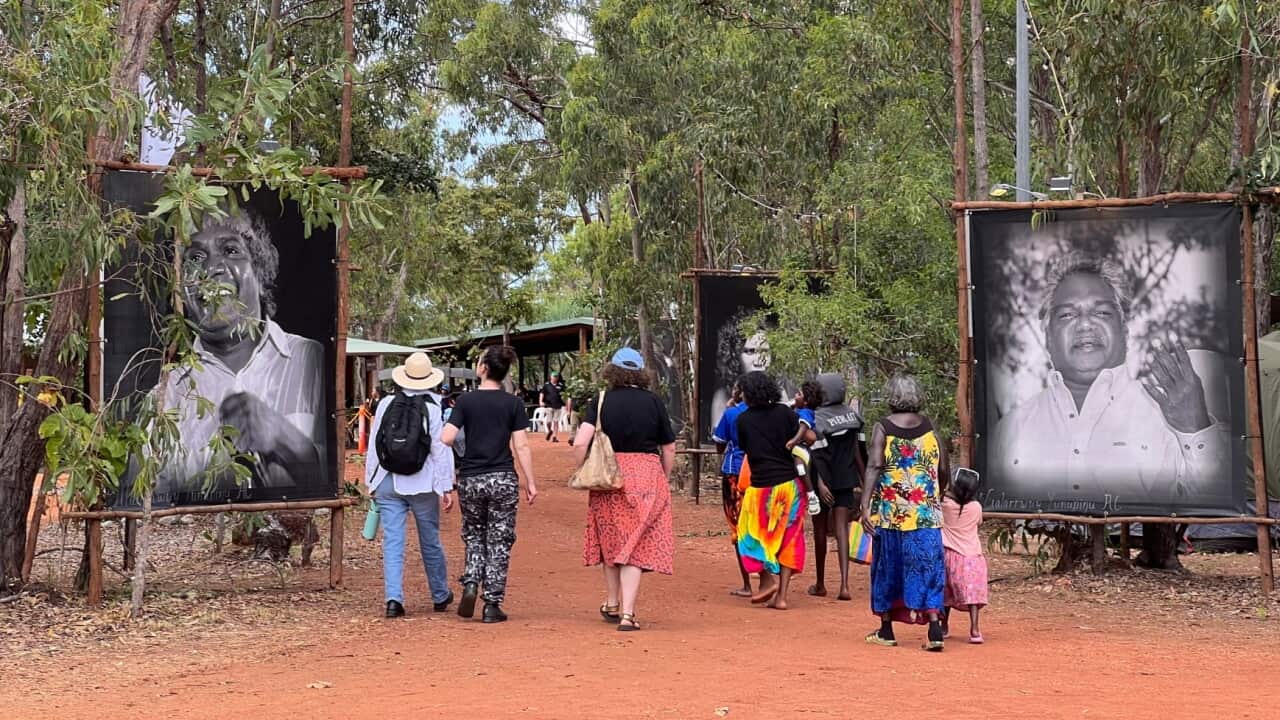
Over the course of four days Taggar and Chen observed cultural customs on Yolngu Country, participated in shared spaces and dance, as well as coming to understanding previously held truths in the way they had engaged with First Nations communities.
I think what challenged me was realizing how much of my understanding of First Nations Australia had come through institutions or news stories and political conversationsDilpreet Taggar
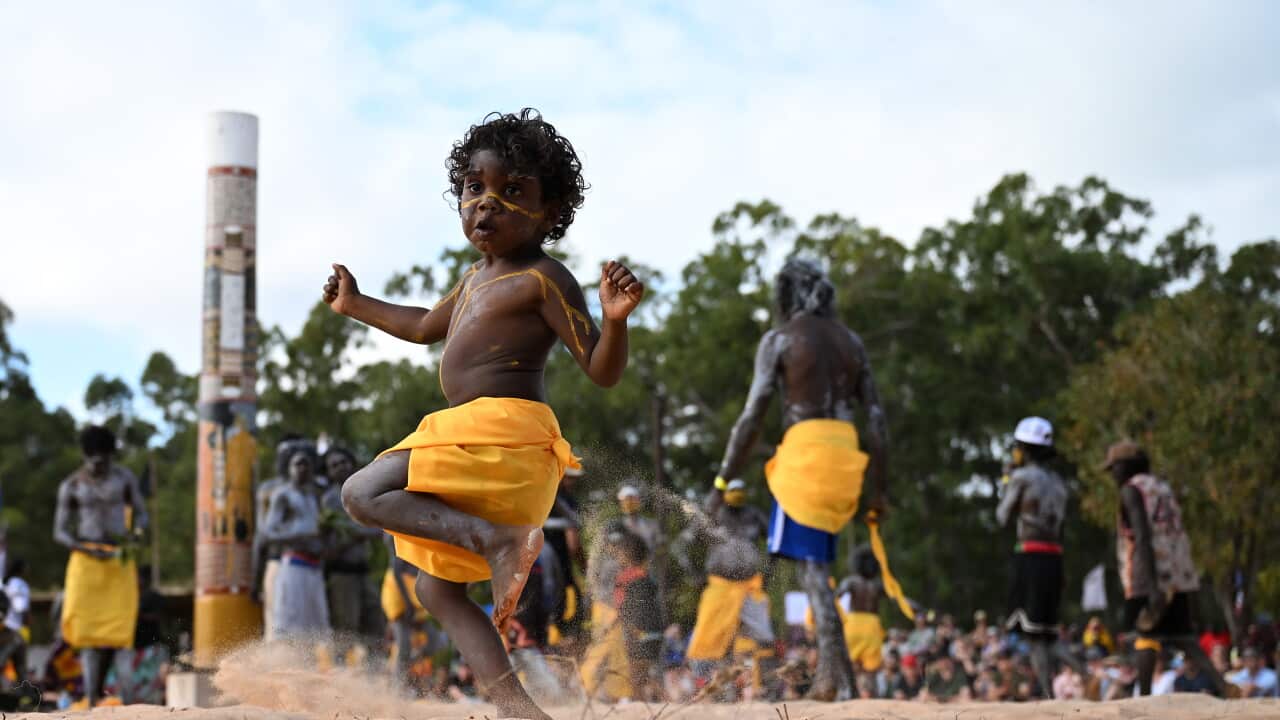
While attending the festival Chen took the opportunity to take part in some of the prparations as families of the Gunatchi camp invited her to get ready for Bunggul ceremony. In reflection appreciating how Indigenous, non-Indigenous and immigrant communities can come together in ways that transcend language and continents.
The story I'm taking home is that the First Nation stories and the multicultural stories don't have to sit in separate spaces.Helen Chen
The SBS journalists left Gulkula carrying stories of a Chinese Australian woman watching Yolngu Elders paint their grandchildren, and of a migrant reporter understanding that calling Australia home means knowing the Country we walk upon.