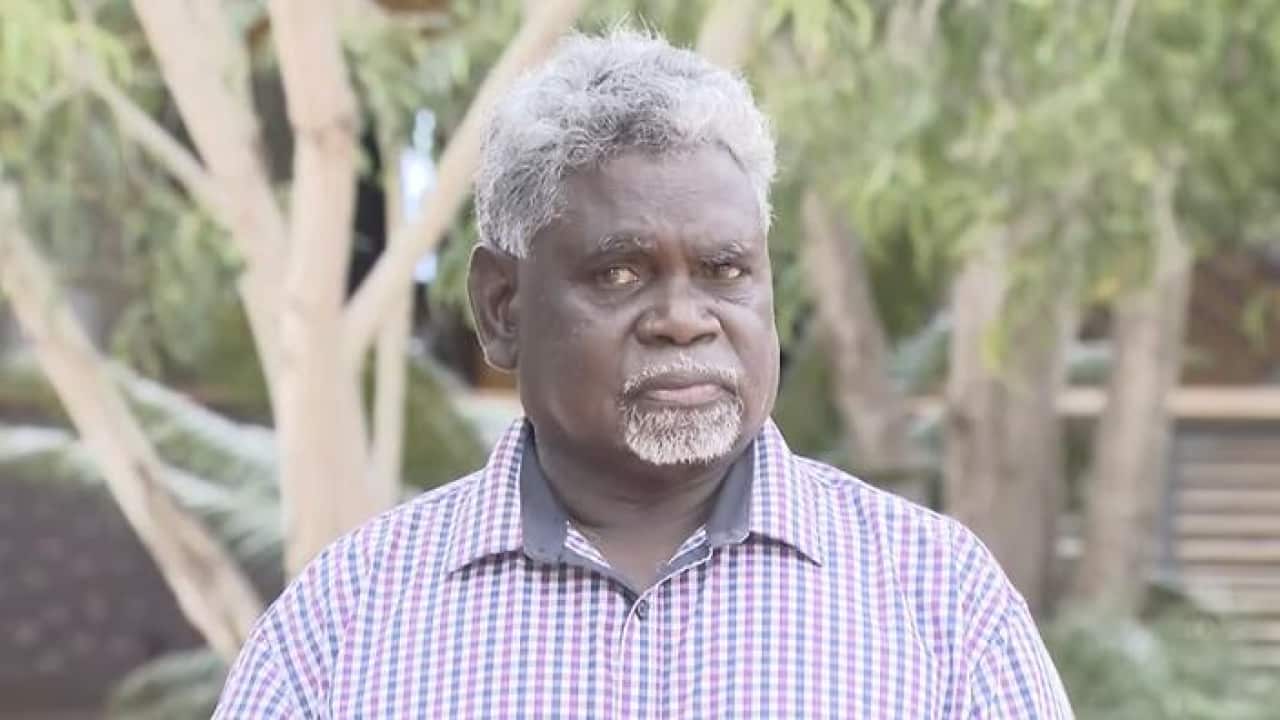


“Whatever it is every barrier that might be preventing our girls from achieving their goals we assist them to overcome those barriers. And we are there full time.” – Ricky Grace
The Girls Academy is reaffirming the importance of investing in education arguing that closing the gap in this one field is key to closing the gap in many other areas like health, employment, and life expectancy.
This statement comes in the wake of the 2019 Closing the Gap report released late last month showing that five of the seven Closing the Gap goals will not be reached within their deadlines.
The Girls Academy program has proven to be effective in making progress in Closing the Gap by helping Aboriginal and Torres Strait Islander girls realise their potential and make the most of their opportunities at school.
The Academy provides full time wrap-around mentoring, academic, and well-being support in 45 regional and remote Indigenous communities.
Driven by Indigenous leaders who are heavily invested in their own communities’ advancement
The Girls Academy was founded by champion athlete Ricky Grace drawing from his personal experience being raised by a single mum who never missed an opportunity to stress on the importance of having a good education.
“As an African American that is what my own mum instilled in me,” Rick Grace says. “While my mum wasn’t worried about my sporting achievements, she was worried about my educational achievements. And I have achieved a lot of things in education. As I believe education is key.”
Despite operating in a challenging environment, the Girls Academy has thrived and performed above national average on key indicators. The program has helped increase school attendance and reduce school suspensions dramatically in participating schools.
“We are well above national average in terms of school attendance, about 8% above national average. To achieve 8% above national average is something we are very proud of,” Ricky Grace says. “86 % of our girls who graduated in year 12 are either in TAFE, Uni or in full-time employment.”
The Academy also owes its success to its structure built around Indigenous leaders who are heavily invested in their communities’ advancement.