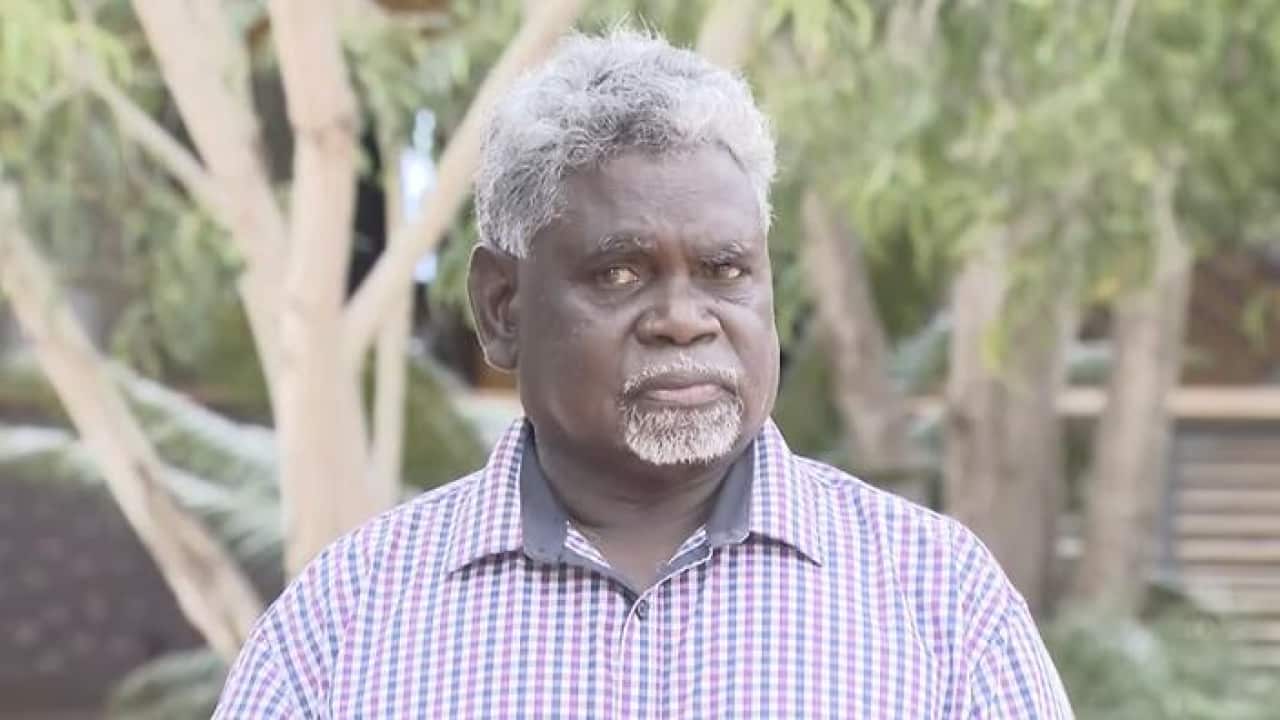


Sydney University planted two Indigenous trees, one from Latin America and one Australian to mark its commitment to closing the gap in education and honour, knowledge sharing.
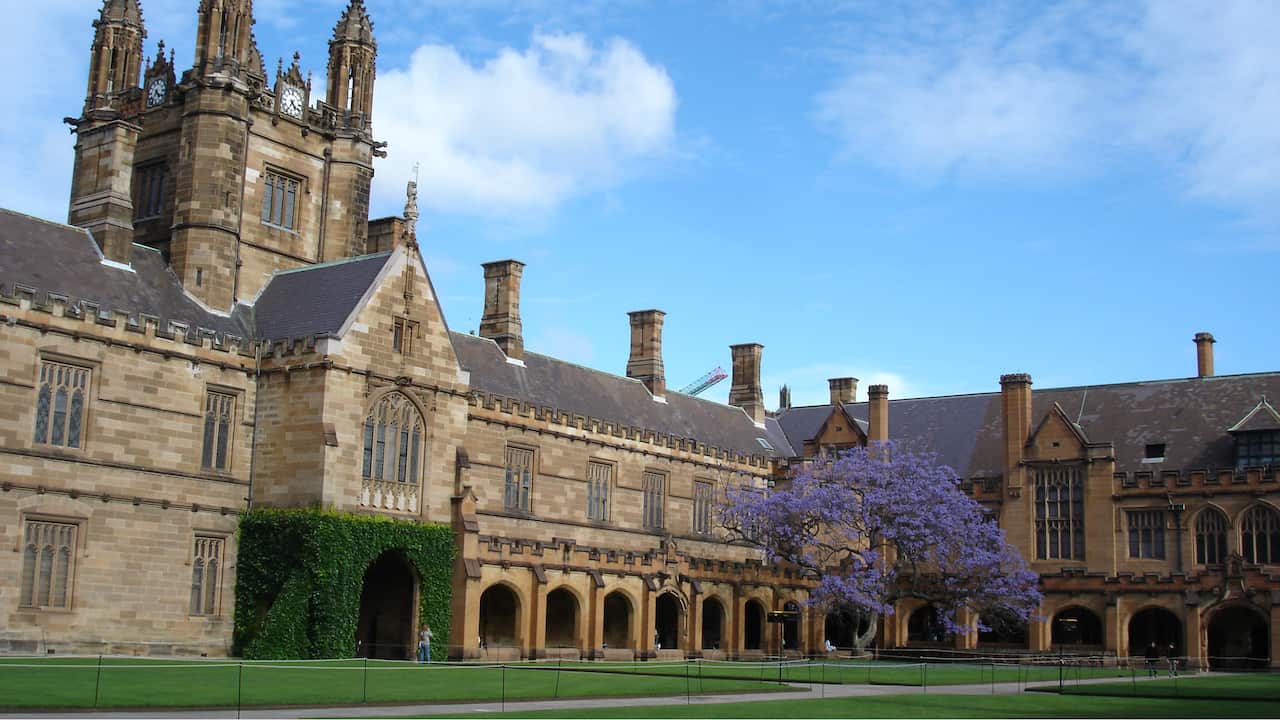
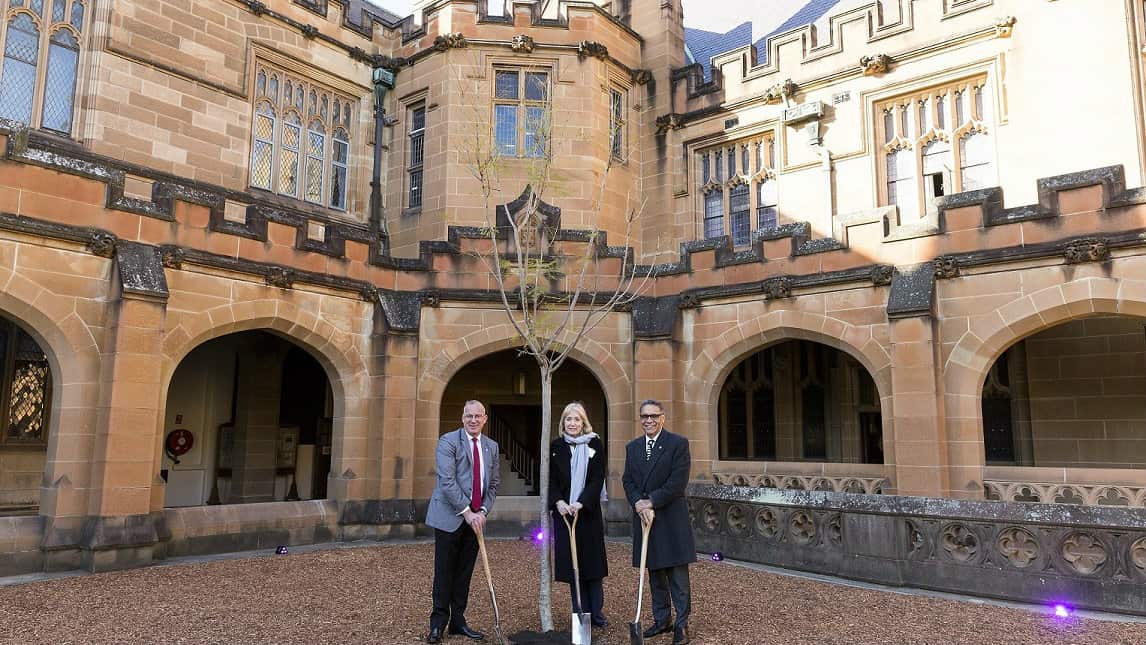
In a historic event a Jacaranda tree and a Kurrajong Tree (or flame tree) were planted opposite each other at the southern end of Sydney University’s iconic Quadrangle.
Both trees have a very strong cultural and historic significance for Sydney University and beyond. The new Jacaranda tree is a replacement of the original jacaranda that had been planted at the Quadrangle back in1928 and died late last year.
Cultural and historic significance
Originally placed to give students of philosophy "shade to think under", the tree quickly became symbolic for all students who believed that if they did not begin studying before the tree's first blooms appeared they would fail their exams.
The new tree is a clone of the previous Jacaranda. Professor Jakelin Troy Director of Aboriginal and Torres Strait Islander Research at Sydney University says it is like putting that tree back again.
She explains the historic significance of the Jacaranda tree which goes beyond the student’s folklore.
“Even though the Jacaranda is an imported tree it is actually named for the Iacarana, a word in the Tupiac-Guarani language of the Amazon rain-forest people. So, it is actually another Indigenous tree very prized by people in the Southern Hemisphere on the other side of the globe. It stands to symbolize Sydney University’s commitment to its international tradition,”she says.
A commitment to closing the gap in education
The Kurrajong Tree is native of the East Coast of Australia, and it's planting marks Sydney University’s acknowledgment of the local Aboriginal Community, the Gadigal people of the sovereign Eora Nation on whose land the university is built.
The newly planted Kurrajong Tree also serves as a reminder of the university’s commitment to closing the education gap and to continuing research which improves the lives of Aboriginal and Torres Strait Islander people. The Kurrajong Tree on the university’s prestigious grounds is also a commemoration of thousands of years of culture and knowledge sharing by the custodians of the land.
Professor Jakelin Troy recalls the importance of trees in Aboriginal culture and history which have been disrupted by colonisation. The newly planted Kurrajong Tree reminds of us a continuous link to Australian land and First Nations peoples and cultures.
“When the First Fleet invaded in what we now call Sydney a lot of trees were felled. The British were using trees for all kinds of building projects but also to just clear the area. And the Aboriginal people of Sydney had never seen people cutting trees completely down, big trees,' she says 'Aboriginal people used to weep as these trees were being cut and hacked. For them, you use every product of the tree. You only take what you need. We have, more than 200 years later, reversed that process; planting trees to see new growth happening”.
For the Gadigal people, the Kurrajong Tree was like a living supermarket. Its yellow seeds can be toasted and eaten, and the soft spongy wood and inner bark were used to make nets and fishing lines, while the timber was used in artifacts.