


New research project paving the way for native superfood to conquer a bigger slice of multi billion dollar functional foods market.
A new multi-pronged research and development project is seeking to uncover new uses and markets for the Kakadu plum and other Australian native functional foods.
According to current data, demand for the Kakadu plum has been growing at a rate of 10% per year. Researchers believe that the plant will capture a substantially bigger share of the $US 130 billion functional food market when new properties and uses are discovered.
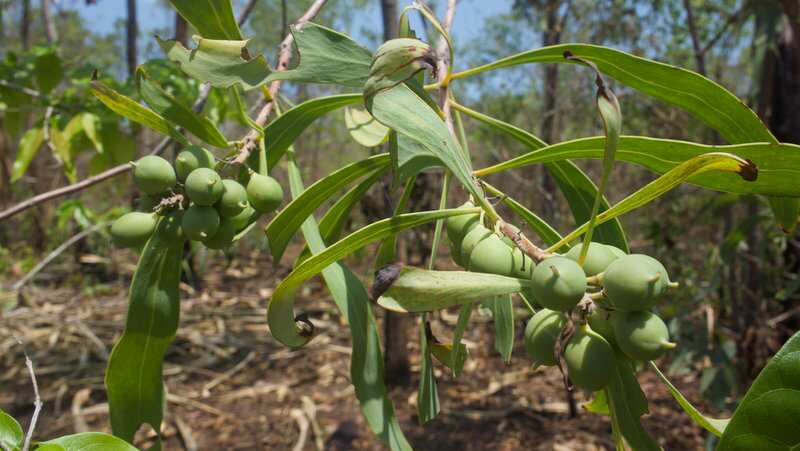
Research will build on what is already known abut the native superfood. The Kakadu plum holds the world record for the highest Vitamin C content of any plant. It is highly prized not only for its potency but also for it’s adaptability to multiple culinary, medicinal and cosmetic uses.
The research project will bring together Traditional land owners, research and development institutions, and industry partners including Traditional Homeland Enterprises (T.H.E.).
Ann Shanley Executive Director of T.H.E. says, “The communities, the traditional owners, people living out on Country choose some plant; they tell us the story and what this plant has been used for over the years. The scientists at Menzies and the University of Queensland do research into the properties of that plant."
The Delye Outstation in NT is one of the communities heavily involved in the project. "Mostly, we find that the stories of what the Traditional owners tell us the plant is used for matches what the science says it could do”, Ann Shanley says.
Currently harvesting and distribution of the Kakadu plum is centered around Aboriginal communities and their traditional knowledge of its medicinal and nutritional properties.
Partners in the research project aim to create important opportunities for collaboration and mutual learning by combining modern science with Indigenous knowledge.
They hope to create substantial socioeconomic outcomes for communities in the Top End including jobs creation and business opportunities.