

The recently released “Mapping the Digital Gap” 2023 Outcomes Report’ has found a significant gap in digital inclusion for First Nations people compared with other Australians, which widens substantially with remoteness.
The report found accessing digital technologies was most challenging in remote communities due to limited communications infrastructure, low household access and patchy, congested mobile services.
Talking to NITV Radio, lead investigator and RMIT Senior Research Fellow, Dr Daniel Featherstone said this report marks the first time the digital gap for First Nations people has been measured nationally by remoteness categories – from major cities to outer regional, remote, and very remote – across various demographic indicators.
Nationally, the gap in digital access between First Nations people and other Australians is 7.5 points out of 100. But the gap widens significantly to 24.5 points for remote First Nations people and 25.4 points for those living in very remote communities.
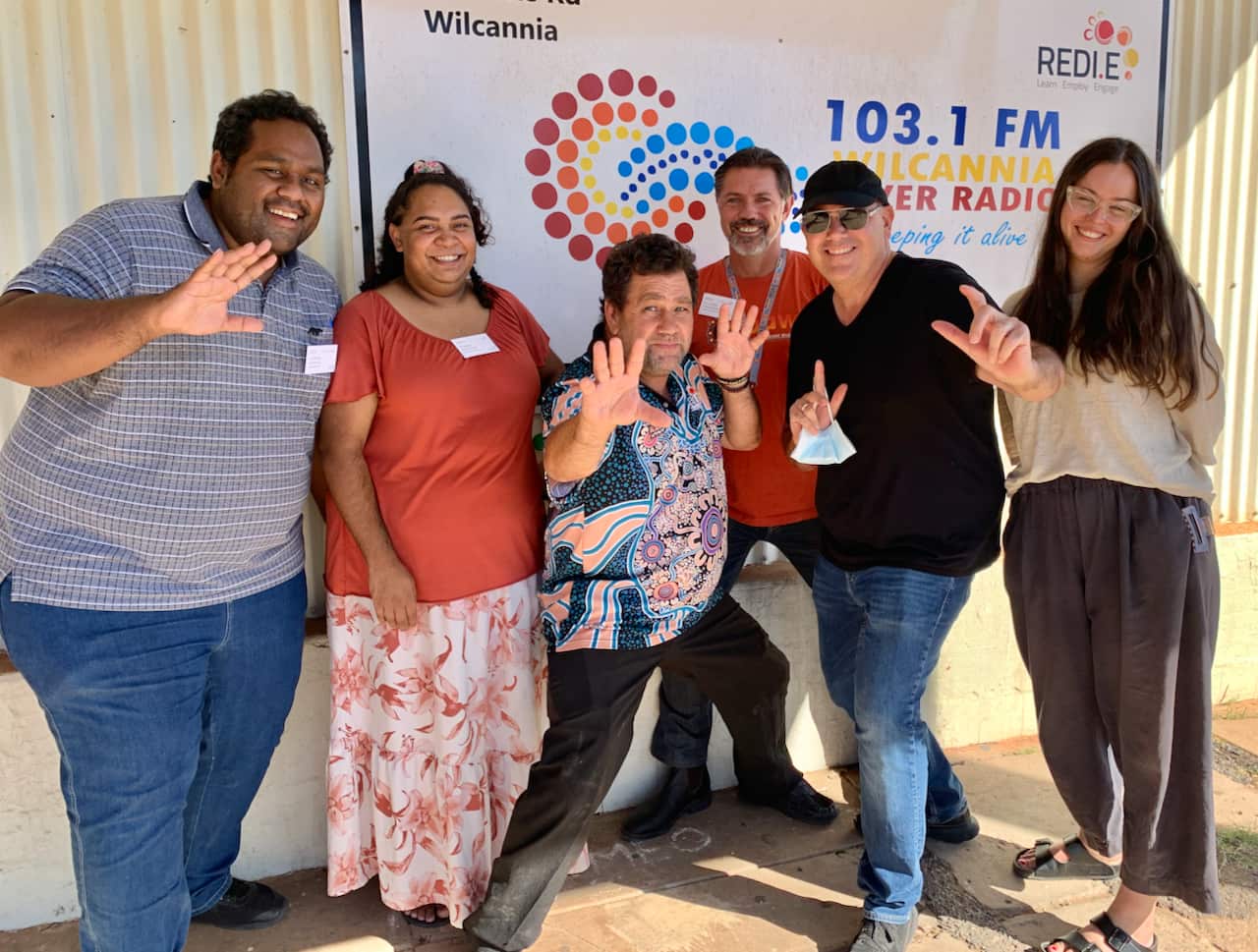
Dr Featherstone further stressed with government and other services increasingly moving online, it’s crucial that all Australians can effectively access and use digital technologies.
"Everyone should have the opportunity to benefit from digital technologies,” Dr Daniel Featherstone said.
“We use these technologies to access essential services for health, welfare, finance and education, participate in social and cultural activities, follow news and media, as well as connect with family, friends, and the wider world.”
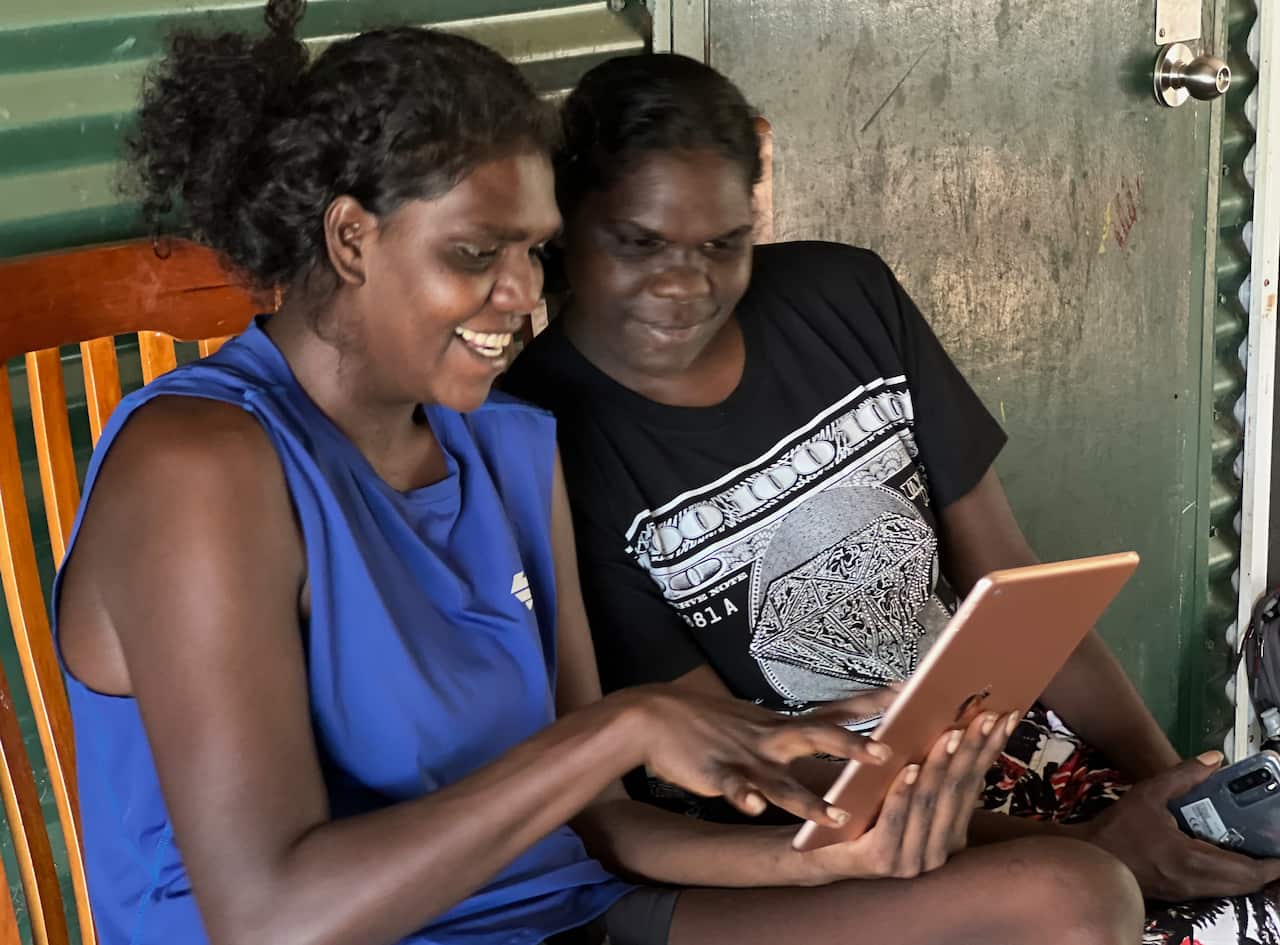
The study found accessing digital technologies was most challenging in remote communities due to limited communications infrastructure, low household access and patchy, congested mobile services.
With residents in remote communities typically on low incomes, 84% of respondents in the study used or shared a mobile device, and 94% of these used pre-paid services.
53.3% of First Nations people surveyed in the study said they had sacrificed paying for essentials such as food or bills to stay connected, compared to 19.1% of other Australians.