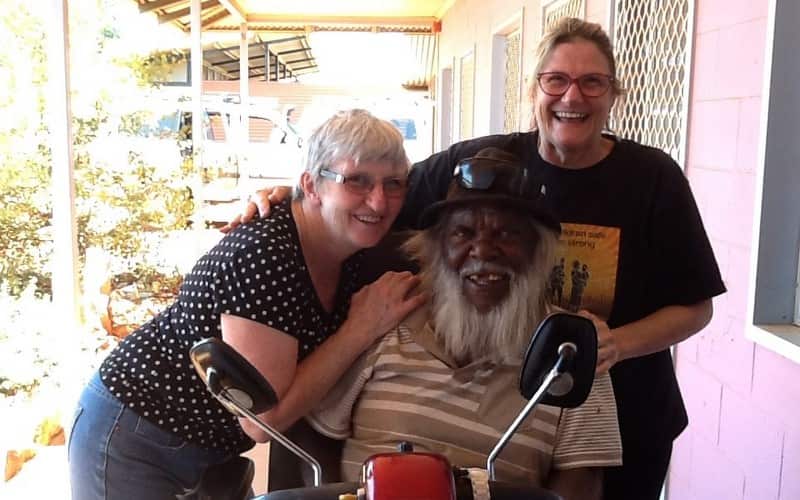
Western Dialysis has been in existence for the last 16 years only but it prides itself as an organization that's run by Aboriginal People for Aboriginal people.
The organization was initiated in response to a very strong desire by remote communities to provide dialysis and renal treatment on Country and in Community.
Prior to that people needing renal treatment had to leave behind their homes and families to access dialysis treatment in Alice Springs. While away for treatment, patients experienced great hardship, and often worried about the future of their communities without senior Pintupi there to provide leadership and pass on cultural knowledge.
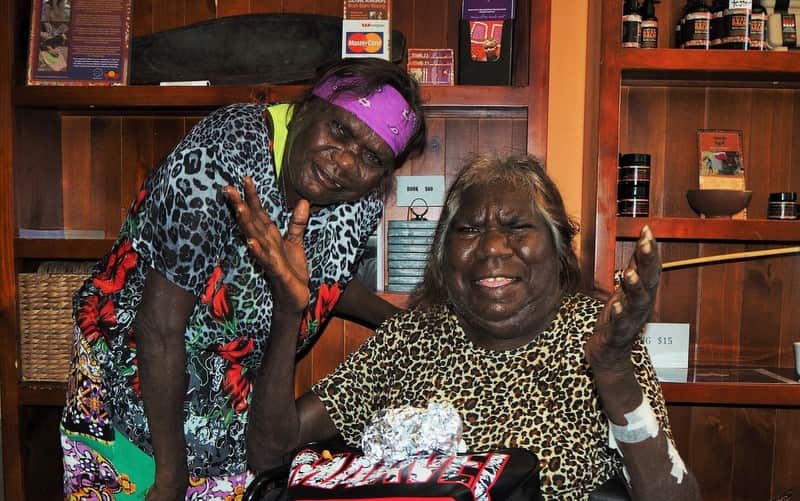
As Sarah Brow CEO of Western Dialysis says: “(undergoing dialysis) is hard enough for people whose first language is English; who are living near a hospital and can stay in their own homes and have the same social networks... But imagine an aboriginal person who has lived in a remote community all their life; English might be their fifth or sixth language; their whole life is based around being in that place with their family, and that country; passing on their personal and cultural stories to their grandchildren; and suddenly they are told that they have to move 10 hours’ drive away to Alice Springs or Darwin to be close to a hospital and, basically, they’ll never be able to go back home.”
The community had to rely on itself in the absence of government support
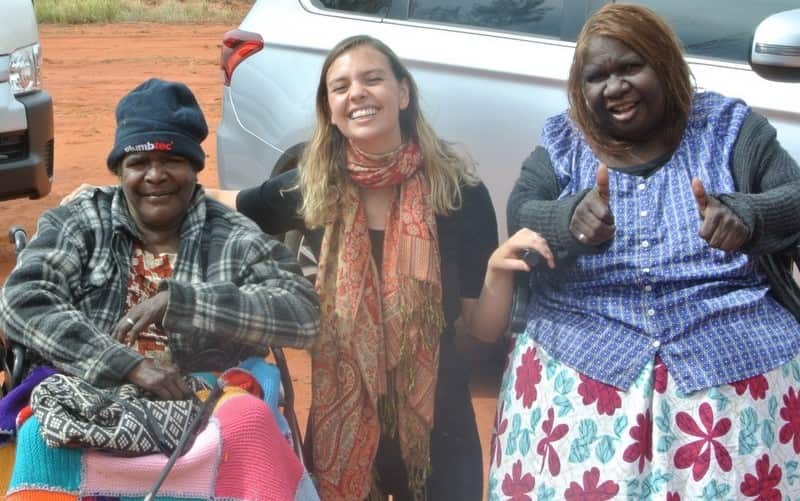
People chose to die instead of being removed from country
It was not uncommon for some people to decide that the cost was just too much and decided to just stay on country and pass away.
That’s what led to the creation of Western Desert Dialysis. Sarah Brown explains: “16 years ago Aboriginal people from really remote parts of Australia, and that’s right out near the West Australian border, wanted to do something to get their family members home on dialysis and couldn’t get any support from government”.
The community started raising funds and working towards their goal. Some two years later, in 2004, they were able to acquire their first mobile dialysis machine.
Word spread that people were getting back home
“It was a really important step to start getting people home on dialysis in 2004. But then of course, word spread that people were getting back home, that people weren’t stuck in Alice Springs or Darwin anymore, so our directors started getting phone calls from Aboriginal people from other communities who wanted help to do the same thing.
So, from one dialysis machine in Kintore, 12-13 years ago we now have 24 dialysis machines in 11 places. Western Dialysis directors are helping people to get home all the way from Arnhem Land in the top end of the Northern Territory all the way down to Webberton in Western Australia. It is a really good story for aboriginal people not taking no for an answer, coming up with a new model of care that suited their culture and their country and their family dynamic; helping people to stay really well and then helping other people in different language groups and across the country to build up the same sort of service”, Sarah Brown said.
Holistic and culturally appropriate care
At the Indigenous Good Governance Awards ceremony, and commenting on Western Dialysis, Professor Mick Dodson, Chair of the Indigenous Governance Awards, said: “It’s their humanity that stands out in their governance. They strike me as a family that really cares for every member of that family in the way they deliver services.
Aboriginal culture has been wrapped around access to modern medicine and allows it to be administered in a holistic and culturally appropriate way.”
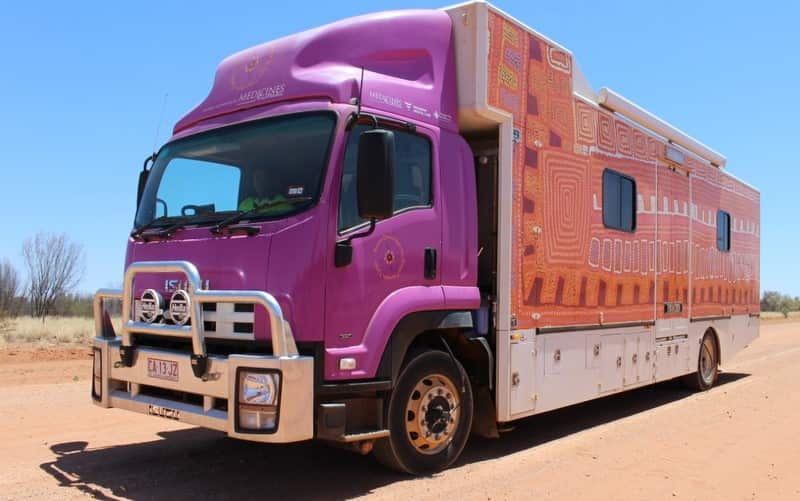
Western Dialysis’s Headquarters in Alice Springs, also known as The Purple House is not your standard medical center or organizational headquarters. According to the organization's website, "the Purple House is a place our patients can call their own. Dialysis patients can come in to the Purple House to have a cuppa, do their washing, see the GP, cook damper and kangaroo tails, or get help or support”
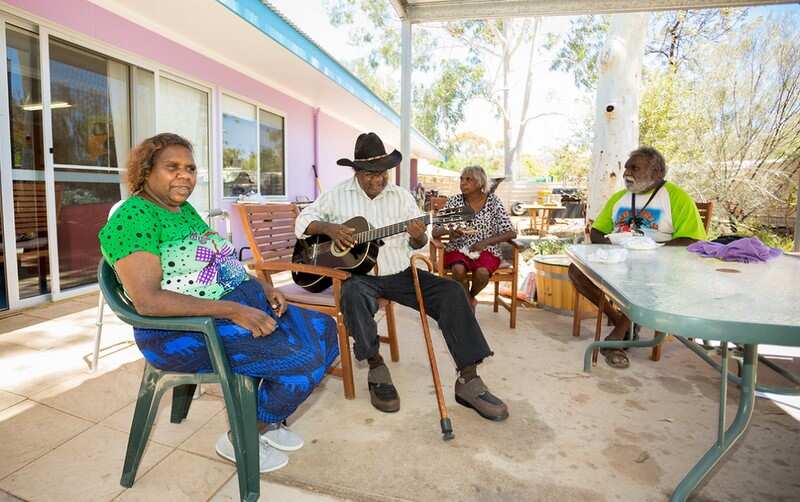
Has hospital staff but run by patients and their families
Speaking about the Purple House, Sarah brown says: “people don’t sleep there but is like a home away from home for people who have had to leave their country. At the Purple house there is a couple of dialysis machines but there is also a bush medicine business so people can make bush medicine and have an income and pass that culture knowledge on. This is a place that has got the staff of a hospital in it but it is run by the patients and their families. So, it is like unconditional love. It is a place where people help each other to have hope for their future”.