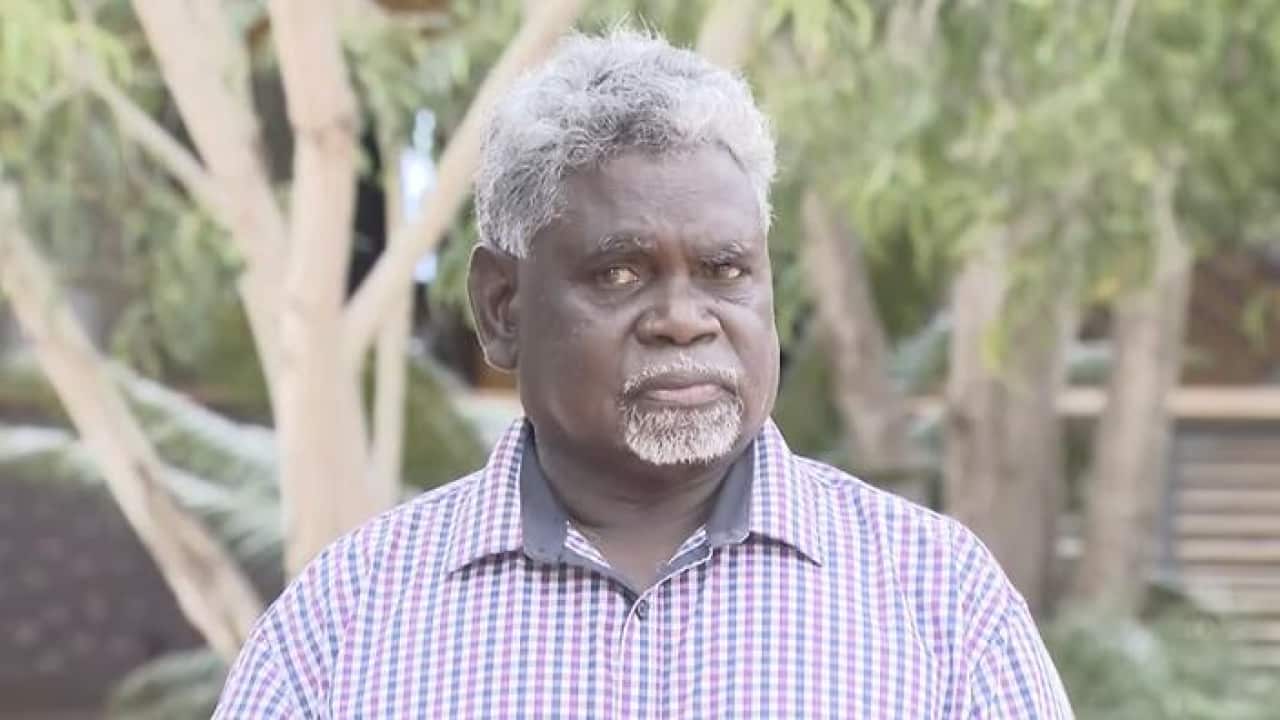


Locals say the reforms introduced since the 90s amount to the privatization of the river system to the benefit of large commercial crop growers.
Recent periods of extended drought punctuated with widespread flooding bring to light the challenges posed by management of Australia's largest water body, the Murray Darling, and its basin.
The river basin's ecosystem has been stretched to its limits with entire communities’ livelihoods destroyed; not to mention dangers posed to the fauna and the flora.
NITV’s Jack Latimore spent some time with communities on the river's banks in NSW and Northern Victoria investigating the causes of the crisis.
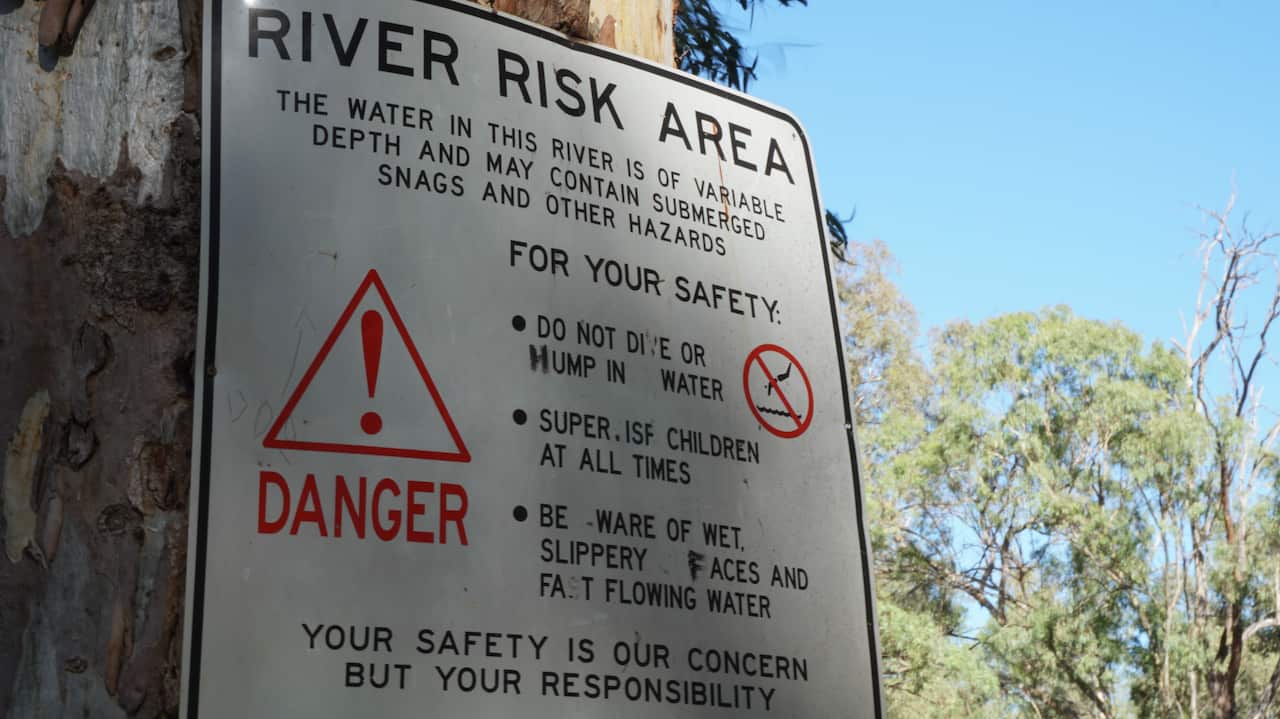
First Nations communities, local residents and environmentalists told Jack Latimore the river basin’s issues started with colonial settlement but got highly exacerbated when water allocation reforms were introduced in the 1990s.
Local environmentalist Nicole Mackay warns images of tree lined river edges are misleading. And it is actually contrary to what a Riverina environment should look like. She warns that in time the area will become arid.
Other protagonists claim that the gradual reforms amount to a form of privatisation of the water resources.
There is a wide spread belief among First Nations communities, local residents as well as environmental advocates that current water management arrangements favour upstream private crop growers at the detriment of everyone else. They say the balance of the rivers' ecosystem is at stake.
Pointing to the tree lined river banks Nicole Mackay warns: “If you take away the water, in time, this will disappear. It will become arid."
"It will turn into lignum. Lignum has got its place; but we won’t get people attracted to this area, we won’t get the bird life, we won’t get the fish breeding and over time it will turn into nothing.”