Hollywood movies often portray heroes who die to save the life of an innocent family, but sometimes it happens in reality too.
Fahim Hakim of Kabul, Afghanistan is one of the real-life cases, after he faced off with Taliban fighters during a tense siege at Kabul Intercontinental Hotel in January 2018.
The day after the attack, the Australian family of Afghan background took a plane to Dubai. Fahim Hakim was taken to India, to receive medical treatment.
"Don't shoot at my family members, if you want you can shoot at me."
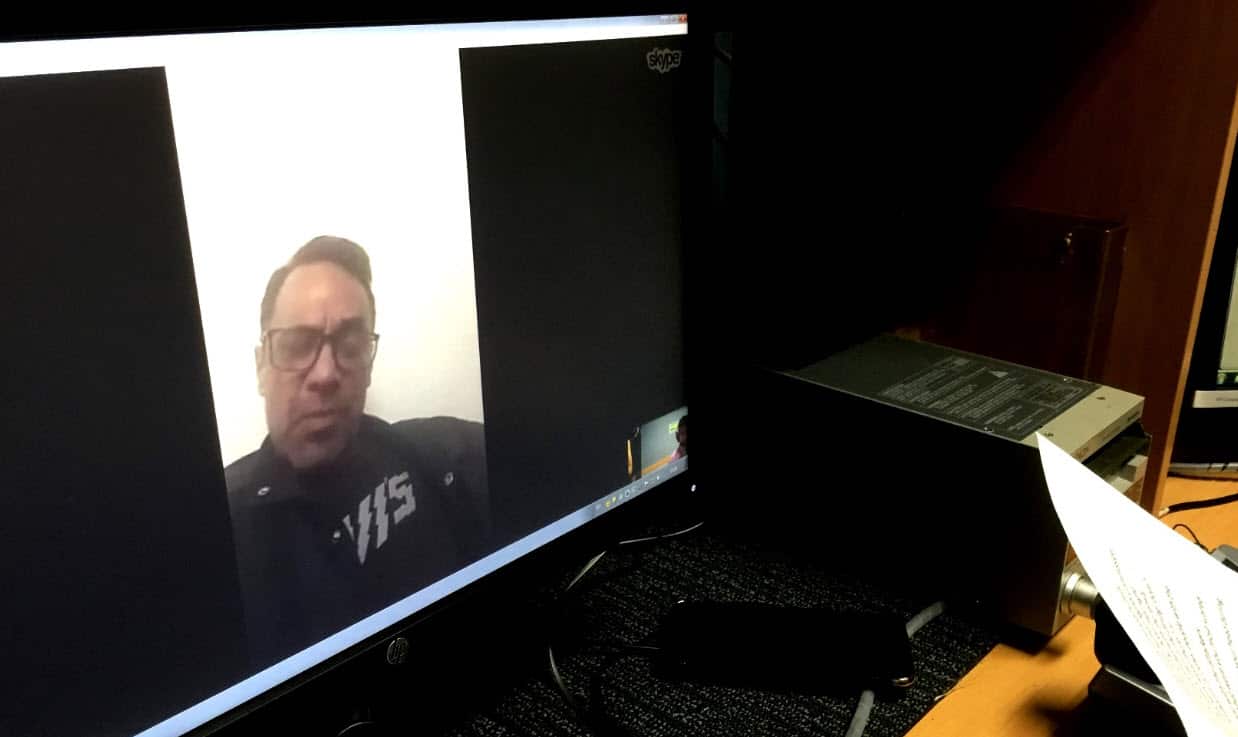
In a Skype interview linking Australia with India, Mr Hakim shares the fear and the shock of facing Taliban attackers and recreates the dialogues with the men who shot him.
"One of the shooters was saying 'all of these people are foreigners,' and shot indiscriminately and then turned towards us; all the guests were screaming and trying to hide somewhere," he says.
"I was in front of them; one guy was very agitated."
"And I said 'we are Afghans, we are not foreigners, we are a family here; don't shoot at my family members, if you want you can shoot at me."
The gunman shot him straight away, and he fell to the ground.
Fahim Hakim lives in Kabul and has previously experienced many bombs and killings, yet he hadn't seen what he saw through his eyes in the Kabul Intercontinental Hotel attack on 20 January where more than 40 people were killed.
Working now as a freelance consultant, Mr Hakim has a public profile as the former Deputy Chair of the Afghanistan Independent Human Rights Commission (AIHRC) and commissioner of the Afghanistan's Electoral Complaints Commission.
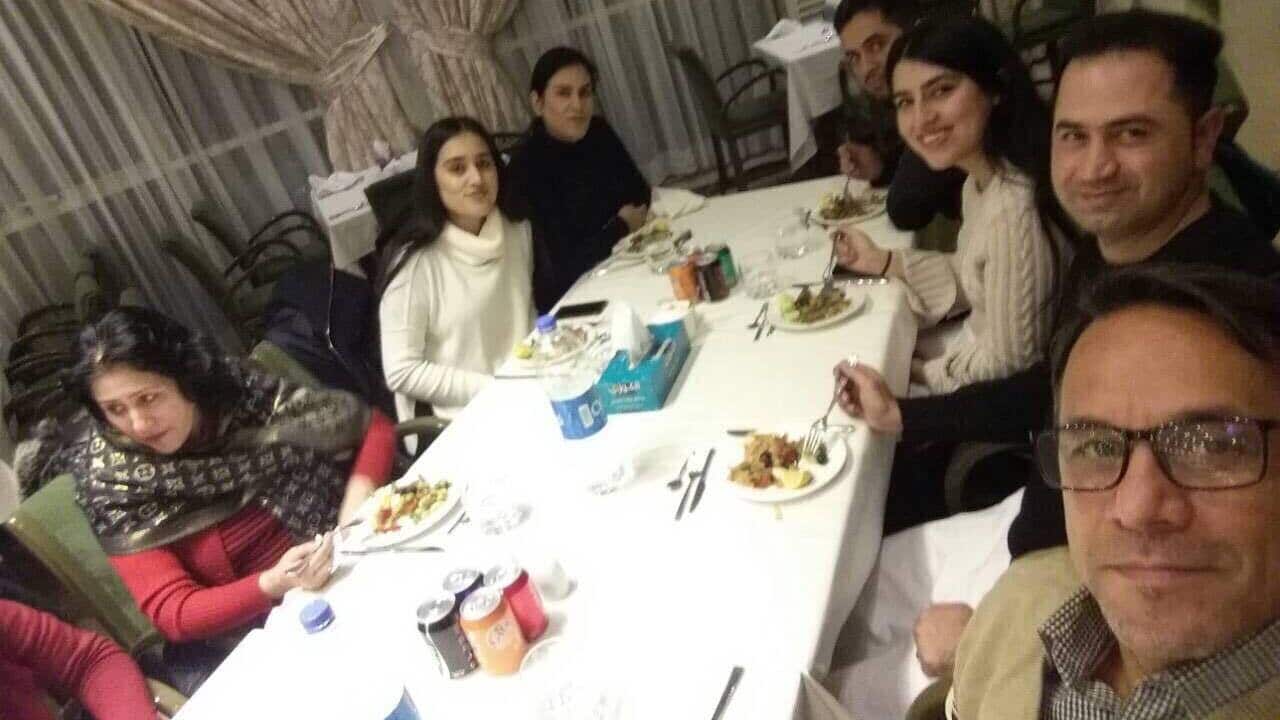
The day of the attack he was hosting a dinner at the Intercontinental hotel for his Afghan and Australian family.
He was showing them the "new life in Kabul" where you can enjoy a calm dinner "with live music and very delicious food."
But as soon as they started the dessert "a couple of foreign people jumped in and indiscriminately started shooting," Fahim tells SBS.
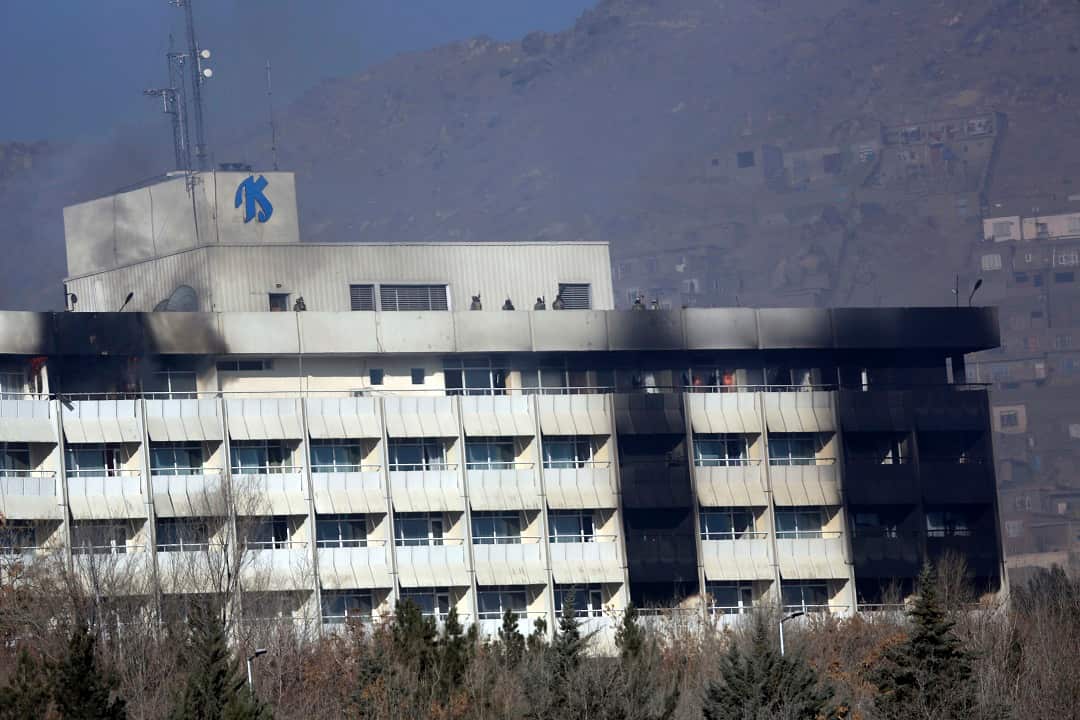
Part of the shock with the attack was that no one expected to hear gunshots in one of the most secure and luxurious places in Kabul.
The gunshots started getting louder, and soon they realised there was a gunman in the restaurant shooting at people.
"It was chaos, and no one knew what to do," Hakim says.
"I think it was planned; they were trying to target international guests, who were at that time at the hotel.
"They were indiscriminately shooting to all the guests there.
"I don't know how many suicide attackers were there, but I saw around five people there - young people, maybe 23, 25 years-old, well equipped with machine guns."
"They were trying to target international guests, who were at that time at the hotel."
After he was shot at, Hakim says he realised his son was wounded too.
"Meanwhile my son threw himself in front of my sister-in-law's daughter to protect her and he [the attacker] shot at me," says Hakim.
"I fell to the ground and I heard my son saying: 'father, I received a bullet in my leg.'"
"And I asked him 'can you move your leg, can you move?'"
According to Mr Hakim, when he told the Taliban attackers that his family were Afghan and Muslims, they paused for a while, pondering as though they were thinking about it twice.
At that moment there was an explosion and the Taliban became the target of shootings coming from the main hall of the hotel, so they had to divert their attention to self-defense.
After the explosion the building went dark. Hakim and his family started calling out each other's names, to check on everyone.
They tried to stand up but say it was very difficult as they were stepping on dead bodies.
The family took advantage of the confusion and the darkness to escape and hide in a room near the restaurant where they hid for more than two hours and a half before being rescued.
Both Hakim's son and Hakim had been shot and were bleeding.
Afghan special forces eventually rescued the trapped family.
When the special forces arrived, Hakim's son told him they were government soldiers, but Hakim wasn't sure as they couldn't see and told the family to stay silent unless they were absolutely sure they were pro-government.
Hakim's son confirmed it, saying "Look, the uniforms are special forces of the government."
He then shouted "we are a family, we are wounded, please rescue us, save us."
The special forces turned around and asked everyone to put their hands up and the lights on.
When they confirmed it was a family and that there were two wounded men, they instructed them to stay silent and they guided the family downstairs, following their footsteps.
Once outside the hotel, they had to run and hide behind the tanks in front of the hotel until they were taken to a hospital.
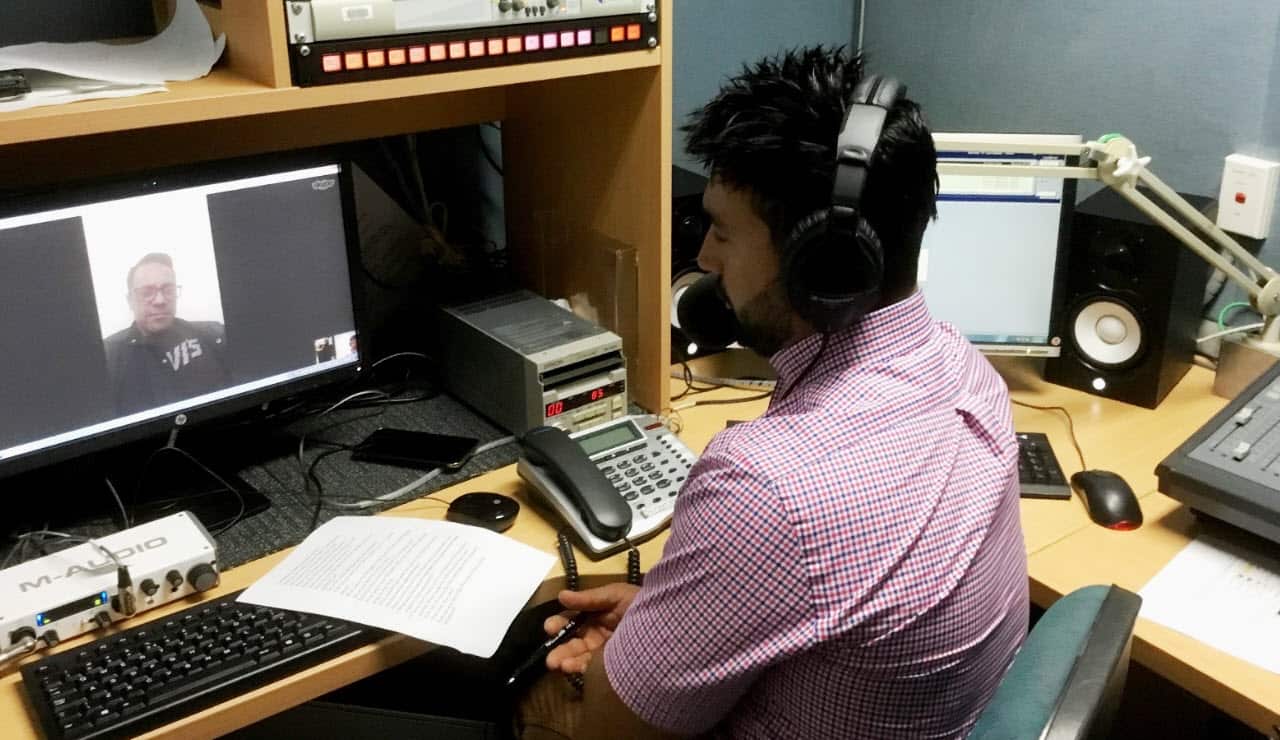
Asked about his feelings and thoughts during the attack, Mr. Hakim says, "I might not be able to describe that very moment; you can smell the smoke of a gun, the heat of the gun, and the agitation of the shooters who are trying to shoot at everyone. It was a very scary moment".
Mr Hakim says he thinks the attackers were professional killers.
"The nightmare, the aftershock, the post trauma, these are quite worrisome," he says.
Hakim says that there were concerns about post-traumatic stress disorder.
"I've contacted the physician, the psychologist, and they advised us to attend many sessions and talk as much as we can, to be relieved from all of these nightmares, the scenes we recall.
"From the facial expressions and the body language of my wife and kids it is obvious that the shock is there, the nightmare is there."
SBS Pashto also spoke to Nadia Khawaja, Fahim Hakim's sister-in-law, the day she returned to Australia with her daughters, Faria, 20, and Aryana, 19.
The three women were in Kabul celebrating Faria’s wedding.
A mother of five, Nadia and her family have been living in Australia for more than 20 years and all of her kids were born in Australia.
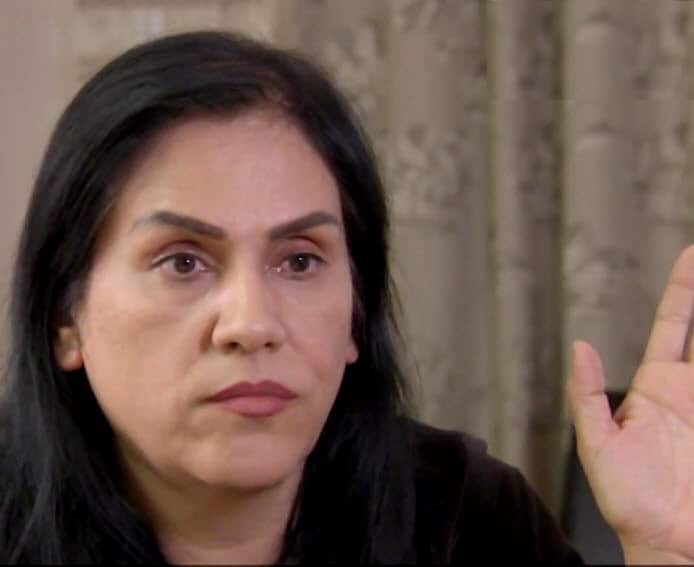
Nadia shares her raw memories with SBS: “We all went under tables to hide; then the shooter yelled and asked who is Afghan and who is foreigner, someone from us came out and said we are Afghans and we are Muslims."
Nadia recalls the moment when the shooter asked where her headscarf was.
“The gunman pointed his gun towards me and asked me 'where is your scarf?'" she says.
"I told him that I had lost it somewhere and immediately looked at my back side - there was a leather jacket left by someone, and I put it over my head and asked the shooter 'please don’t kill me.'"
Nadia Khwaja wants to call the attention of the international community to what's happening in her homeland: “Please help Afghanistan, don’t return those people who have left Afghanistan and sought asylum in other countries, they have left because of a problem, their lives are in danger."