Islam Gul Afridi is a Pakistani freelance journalist who works for SBS Radio’s Pashto program as a stringer in Pakistan.
On Sunday 15 October, Afridi was traveling from the Pakistan’s capital Islamabad to Peshawar when gunmen in civilian clothes stopped him and took him to an unknown location.
"I was returning from Islamabad," Afridi tells SBS Pashto. "There were some armed men in civilian clothes asked for my ID and took me in their car to unknown place, they have started the interrogation; I could say that the interrogation took almost two days."
Listen to Islam Gul Afridi's full interview (in Pashto) with SBS Pashto in the audio player above. Listen to his English interview below:
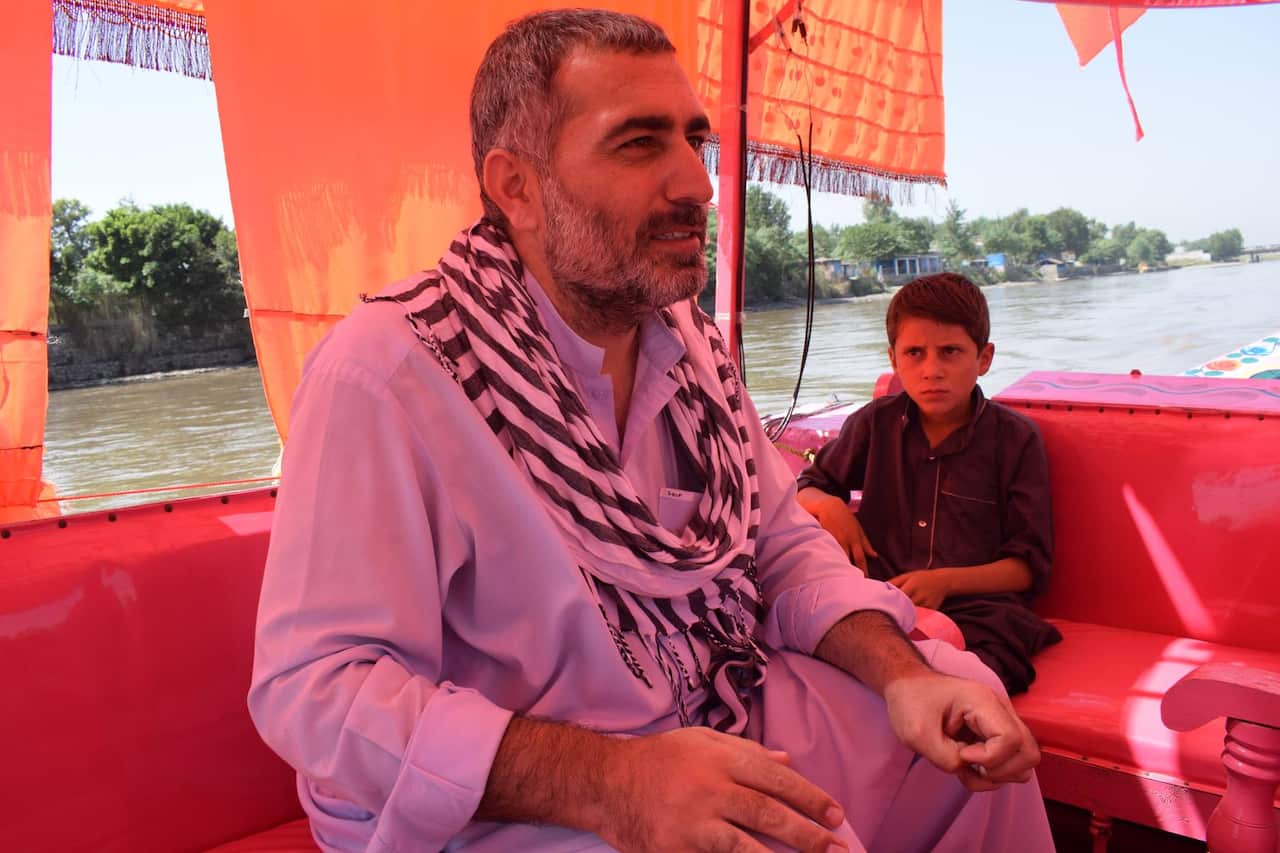
Islam Gul was not alone, on the same day another journalist, Shah Nawaz Khan, who reports for Free Europe Radio 'Mashaal,' was also detained.
Islam Gul was released after two days of interrogations. He says he is overwhelmed by the support of his family, colleagues, and friends.
"I have safely returned to my home, and I am happy for all the support that I have received from friends and journalists from across Pakistan," he says.
"I am happy that Pakistani and other international media have given coverage to this issue and they were questioning why journalists face such arrest."
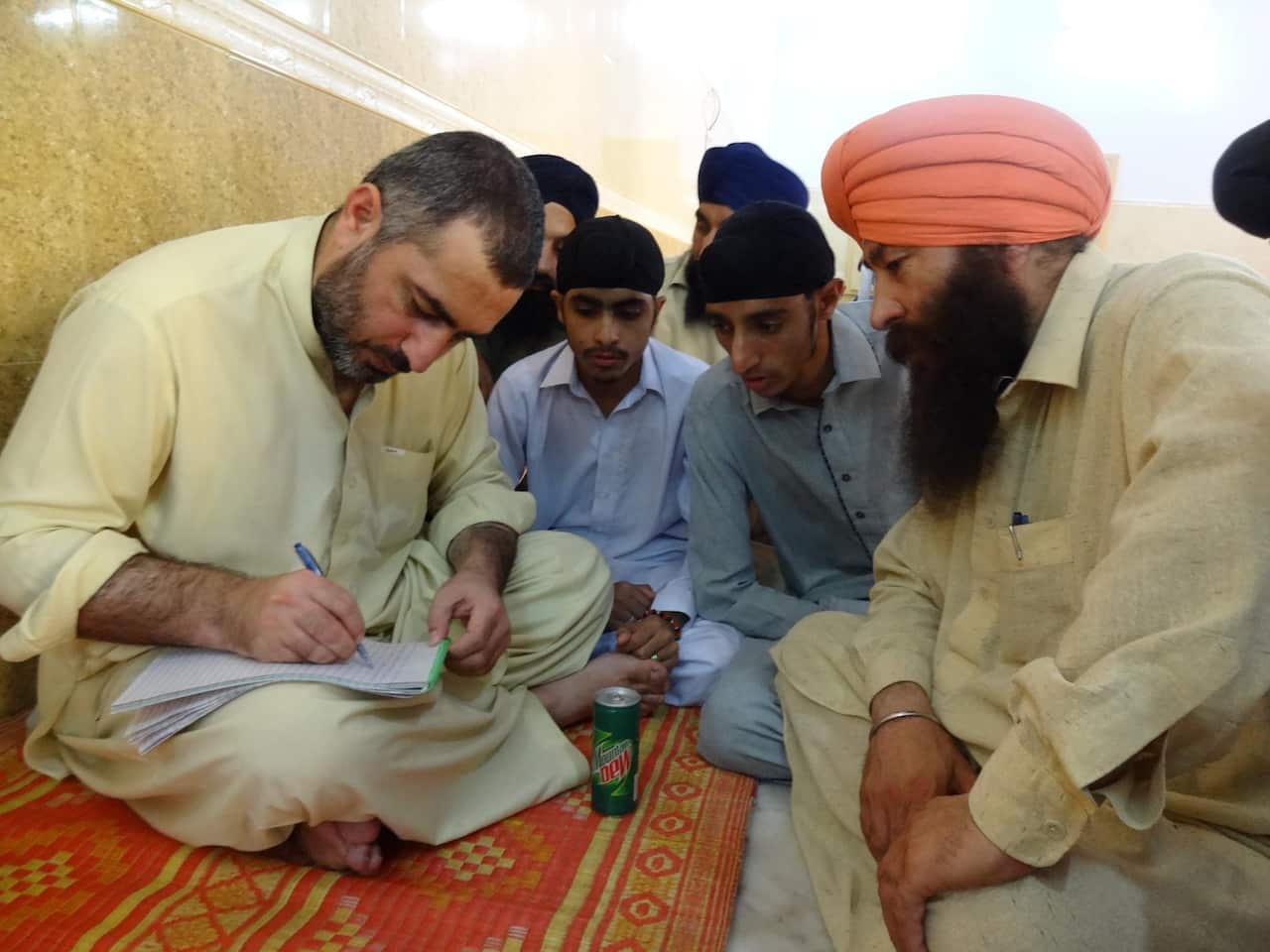
Afridi, who specialises as a tribal journalist working with remote groups and communities, says that while held, he was interrogated by gunmen to reveal who was funding his work as well as to reveal the identities of sources and tribal contacts and connections.
While the pair cannot confirm who carried out the kidnapping and interrogation, such attacks have become frequent in Pakistan and previous similar events have been linked to the military, sometimes believed to be acting on behalf of the Inter-Services Intelligence (ISI) - the Pakistani secret service.
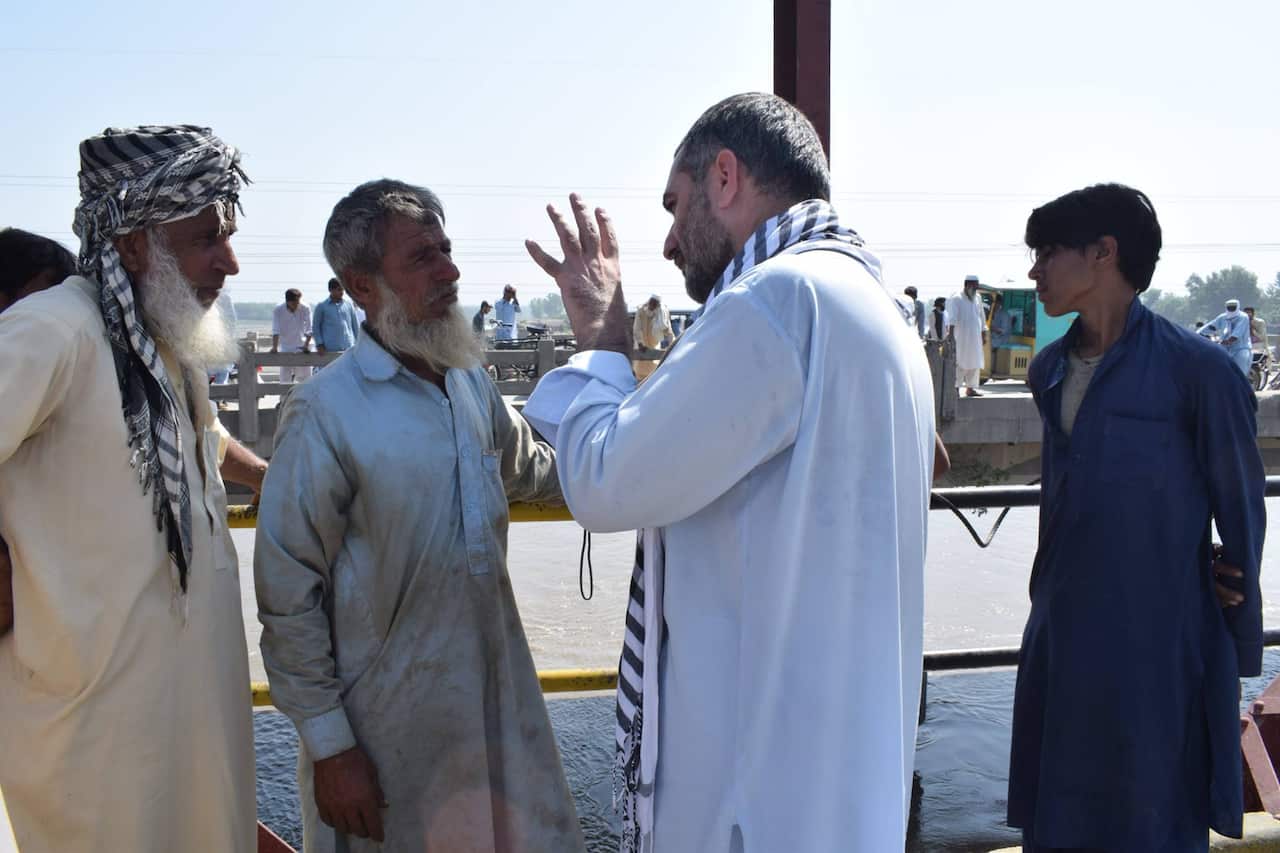
Afridi says that if it was the authorities who were involved, there could have been other ways for them to ask voice their worries or questions.
"There could be other ways for such a conversation, but they chose a different way, but I am happy that none of the allegations were proven to me," say Afridi.
Pakistan is reported as one of the most dangerous places in the world for journalists with the country ranking close to the bottom of the 2017 World Press Freedom Index at 139 out of 180 - behind Burma, Zimbabwe and Venezuela.
Journalists in Pakistan face threats by militants, criminal, government, and military.
Amnesty International has also expressed their concern over the protection of journalists and civil society members.
The organisations have sent an open letter to the interior ministry seeking urgent action to protect journalists in Pakistan.
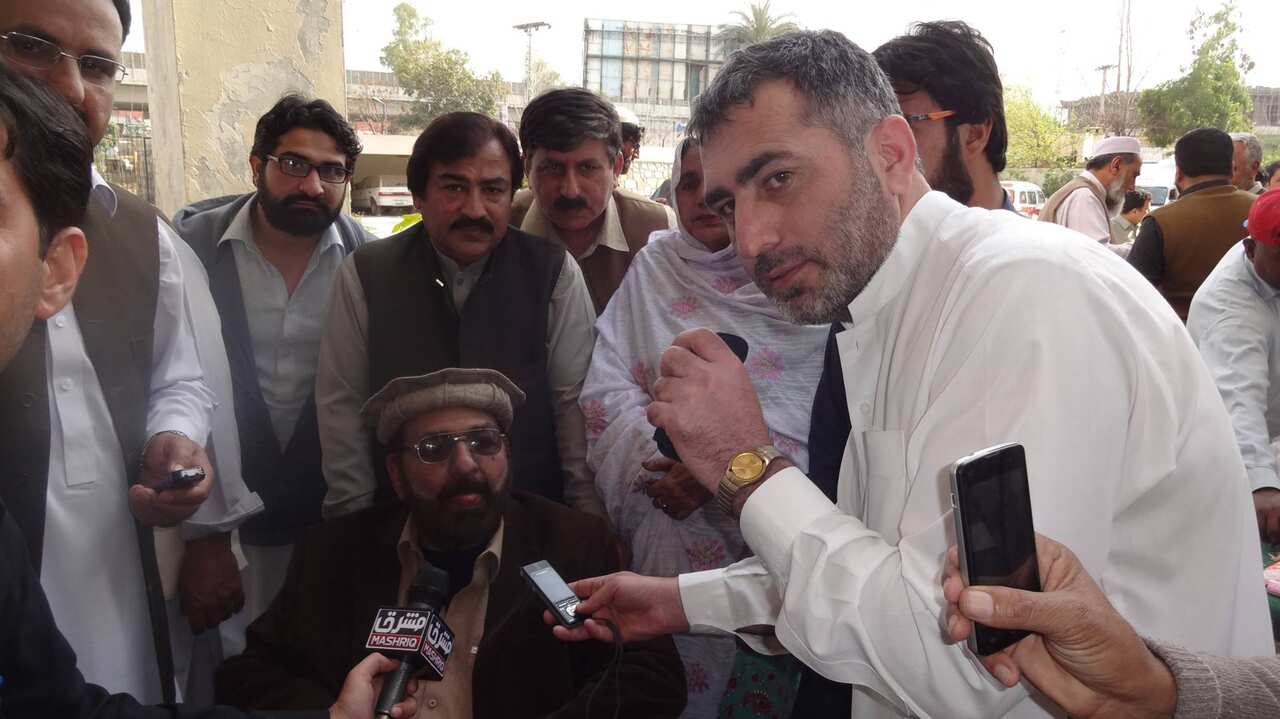
Islam Gul Afridi was also previously the victim of a bomb blast while on the job in June 2011 when a bomb hit a Khyber supermarket he was among the media who attended the scene to cover the story. It was shortly after they arrived that a second blast hit. A total of 34 people were killed and 80 injured, including Afridi, whose hearing has been permanently affected.
According to the Committee to Protect Journalists (CPJ) 60 journalists have been killed in Pakistan since 1992.
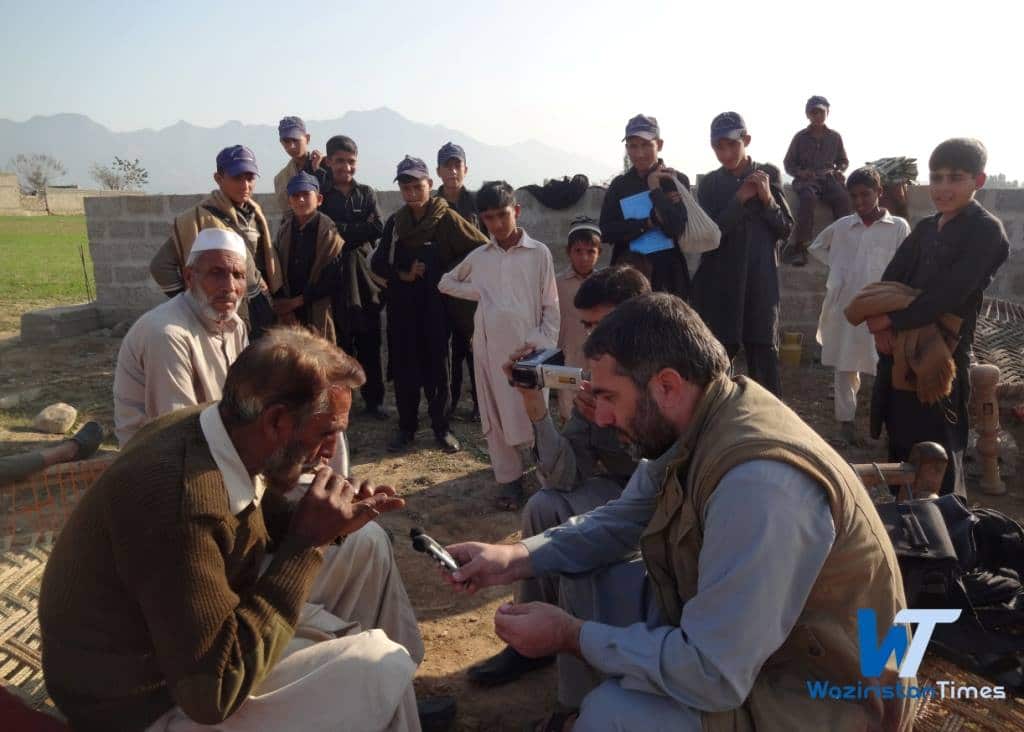
While Islam Gul Afridi was detained, his family and friends, in shock, were frantically searching for him as there wasn’t much information available about his disappearance and he was unreachable.
Many of his colleagues and friends took to social media to post their concerns for him as media outlets including Pakistan Today, Dawn News and the International Federation of Journalists reported him missing.
Some Peshawar-based journalists unions also blamed the Pakistani government, calling on them for his release.
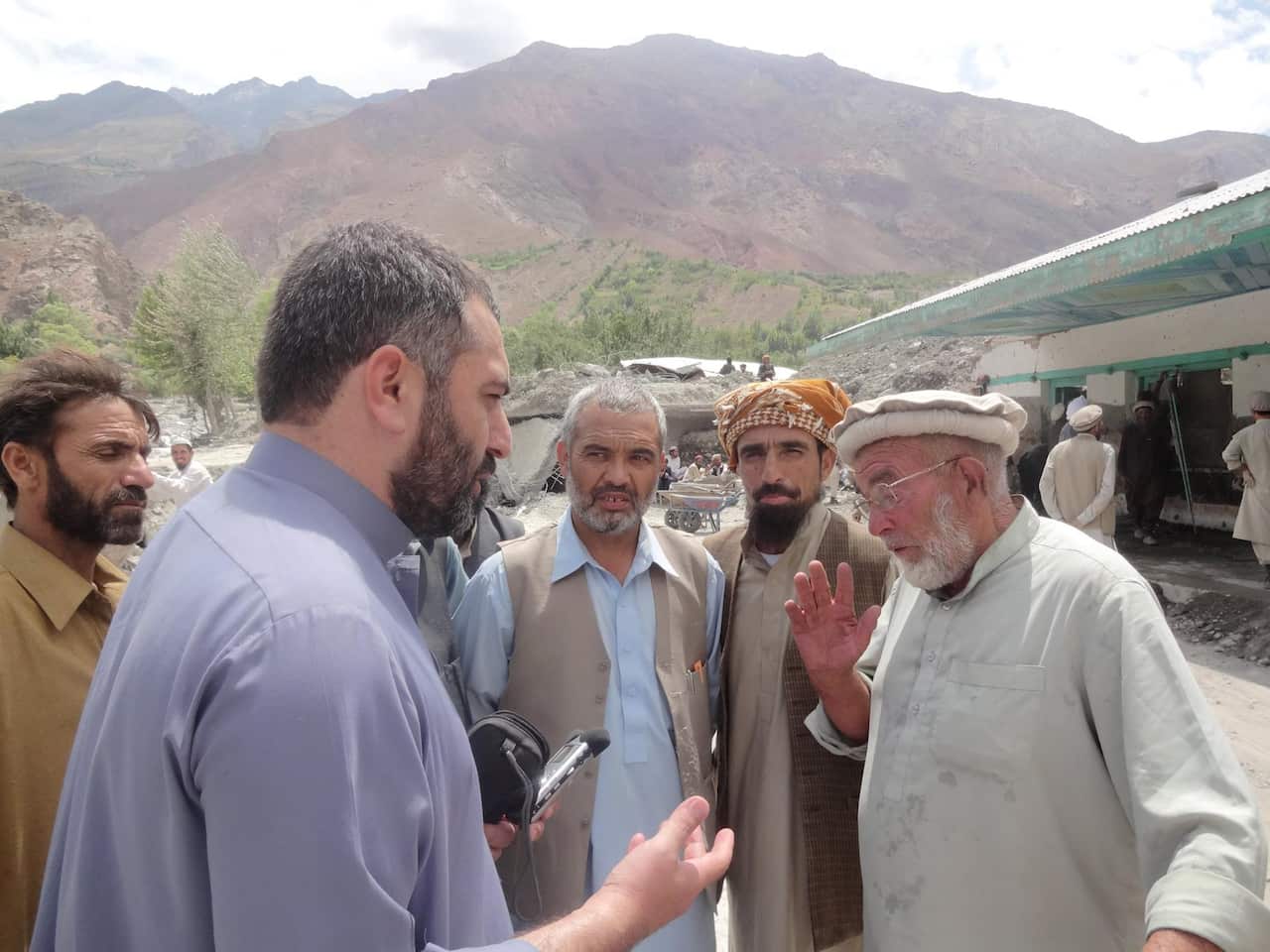
As a tribal journalist, Afridi covers stories that most media outlets have no access to cover.
As to how he is now coping, Afridi says he remains committed to his profession, but is realistic about it too and the dangers involved.