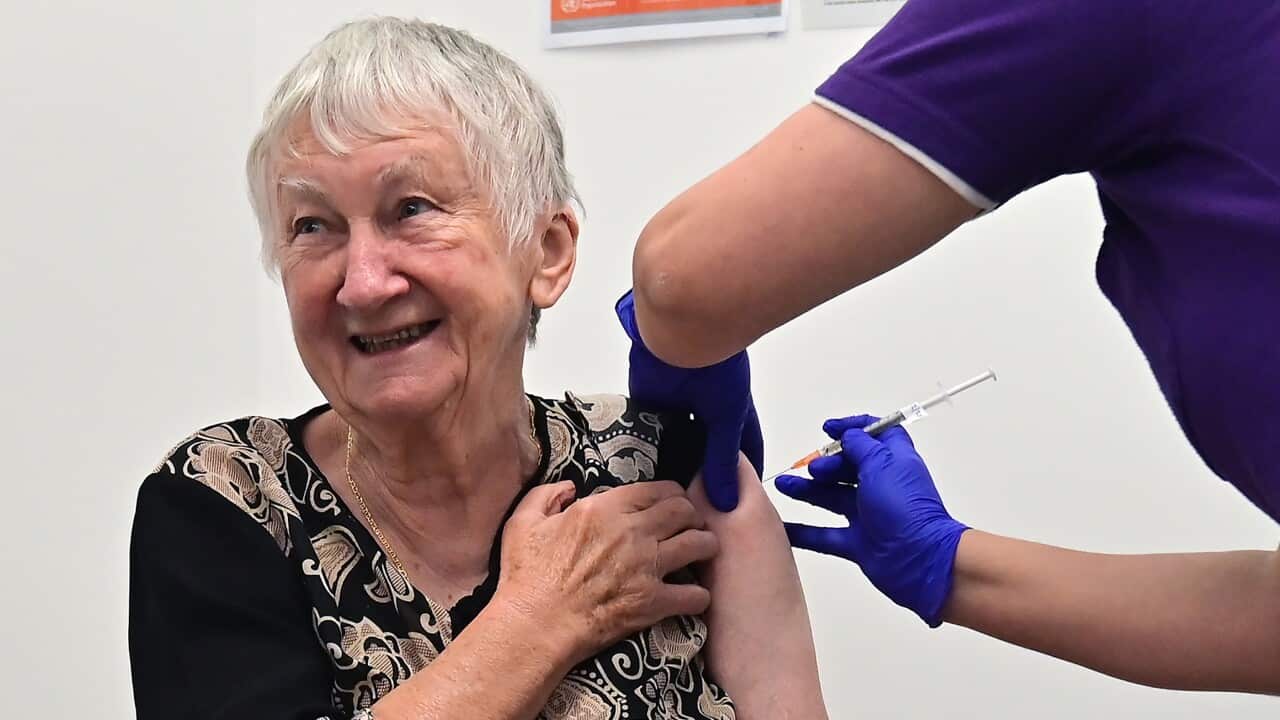
The story of Jane Malysiak goes beyond the headlines that made her the famous for being the first person in Australia to receive the COVID-19 vaccine.
A Sydney aged care resident, she made the news on February 22 not only for getting the country’s first vaccine, but for inadvertently displaying a lewd hand sign in the prime minister's company when he suggested she gesture "V for vaccine".
She had also put that same hand up when her aged care management sought volunteers for the first jab.
“The vaccine didn’t hurt at all and I feel very well. But I was surprised I was speaking to the prime minister himself! He was so friendly, funny and warm that it felt as if I was speaking with my own son,” Jane says of her encounter with Mr Morrison.
Behind the smiling face lies a life riddled with adversity. In an interview with SBS Polish, Jane, whose real name is Janina, narrates the incredible story of her life.
Born in 1936 under the shadow of World War II in Poland, Jane was only three years old when she had to leave her country. After the death of her father, a Polish soldier, Jane’s mother had to look after her two children all by herself.
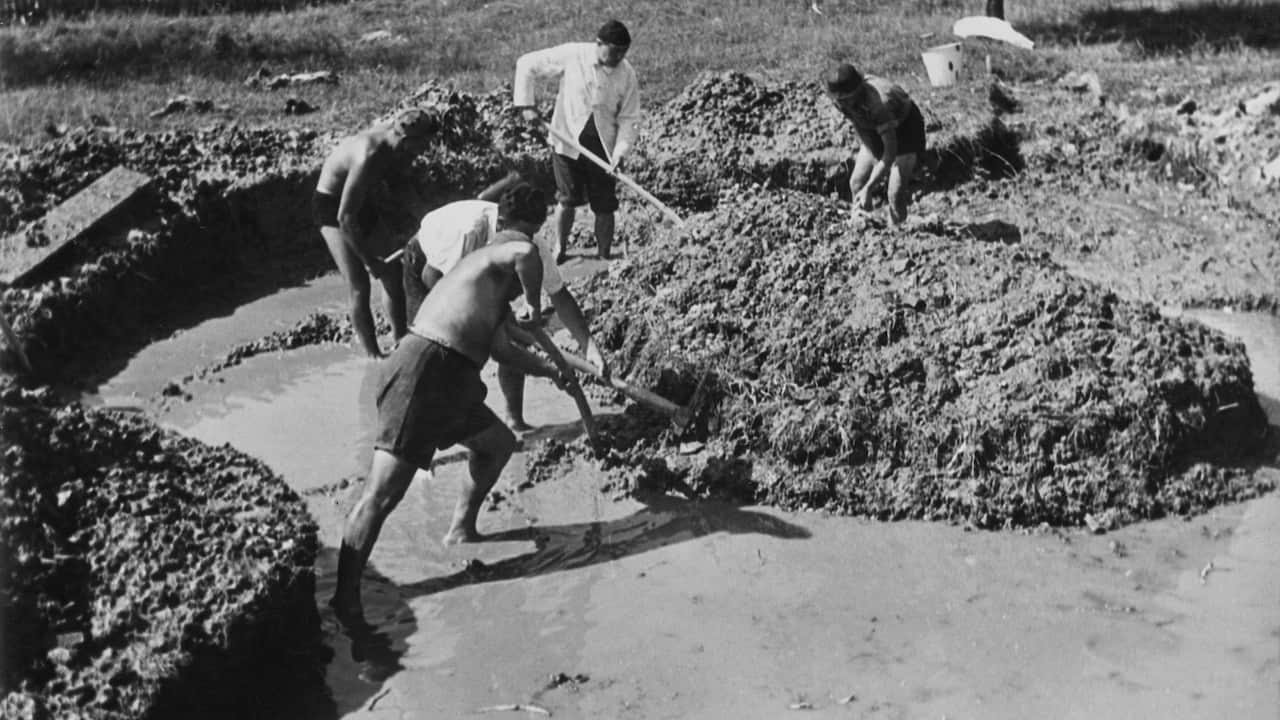
During Nazi Germany’s occupation of Poland, along with 1.5 million other Poles, Jane’s widowed mother and her children were sent off to Germany as slave labor. The family had to work on a farm near the French-German border.
When the war ended, Jane fell seriously ill.
“I was in hospital for one whole year,” she says. Today, she only talks of the upside of her long hospital stay. “I received good care in hospital. My mother loved it, there were nurses looking after me and I had enough food and it was always warm,” she reminisces.
Jane didn’t get a chance to know Poland, her homeland, before arriving in Australia. Her mother didn’t explain the reason for not returning after the war ended, and she also never spoke about the post-World War II Soviet-dominated Poland.

“I think she was very courageous. When Australia was inviting war widows because there were too many men here, she got accepted,” Jane says, adding that this was a turning point in her life.
In 1949, she departed on a ship from Italy to Australia, leaving behind Poland, the homeland she never knew.
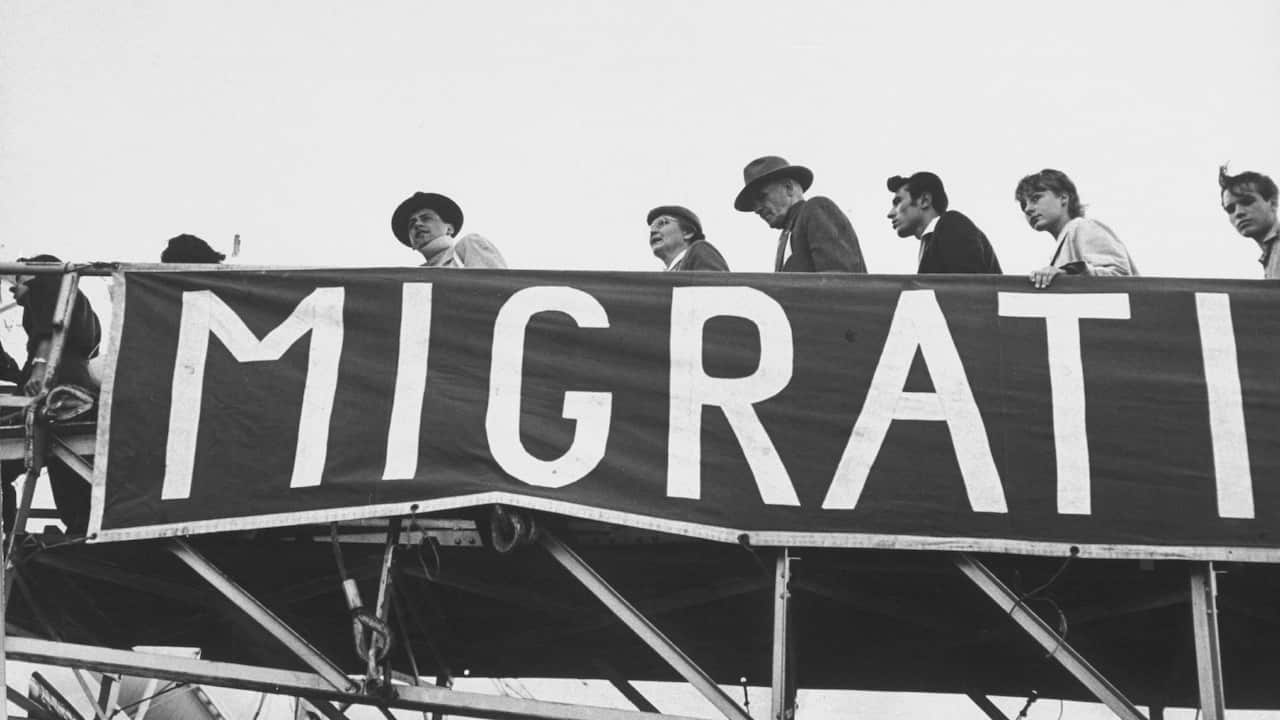
Like many migrants of the day, her life in Australia began in Bathurst.
“My mother didn’t want to live in a migrant camp so I never went to Polish school. That’s why I can’t read and write Polish,” says Jane who speaks the language fluently.
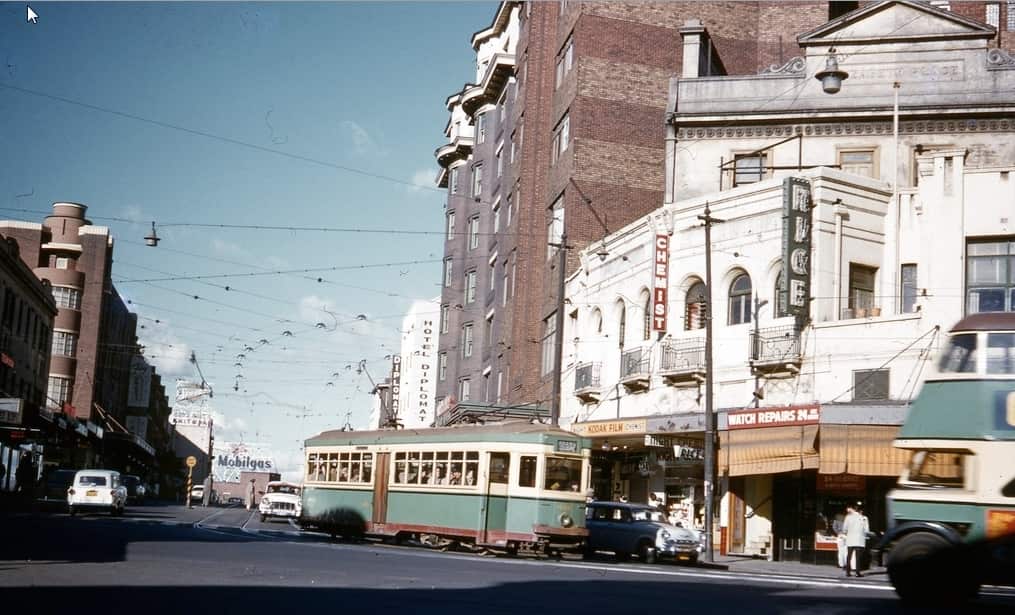
Jane then moved to Sydney, where at the age of 14 she started working to support her family.
“My mother said I had to earn money, so she changed my age on my documents so that I could work,” says Jane, whose love for sewing got her first job of tailoring men’s shirts and bedspreads. “Life was good, we had work and my mother married a Polish man,” says Jane.
At 21, Jane also married a Polish migrant. Some years later, on her husband’s insistence, she visited the land of her birth for the first time in her consciousness.
“At first I said, I don’t want to go there, but eventually agreed,” says Jane adding that she’s glad she saw Poland. “I have many fond memories from the trip and I remember that the flowers there are much more beautiful than in Australia,” she says wistfully.
Jane has been living in Australia for over 70 years, where she has raised her family.
“Australia has been good to us. We had to work hard but I was always brave and hardworking,” Jane says.
After her first son was born in 1958, the couple bought a delicatessen business in North Strathfield then a corner shop in Earlwood, where her second son was born. “I worked there every day. Our regular customers didn’t even know I just had a baby,” recalls Jane.
Today at 84, Jane is very proud to have raised two sons and feels blessed to have five grandchildren and a great grandson.
Currently, Jane is a resident of a Polish nursing home in Marayong, Sydney, which also has a nostalgic connection for her.
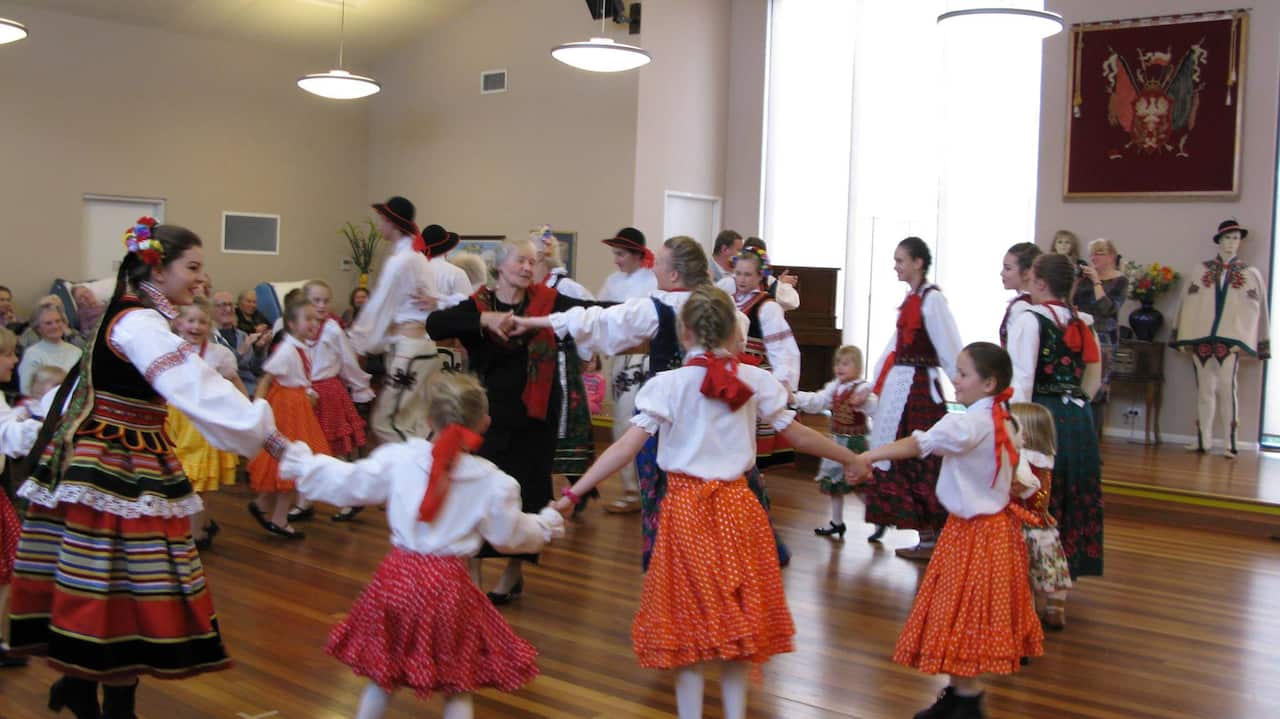
“My mother and my mother-in-law died here, so I feel close to this place. Everyone speaks Polish here and we often get Polish food like pierogi, kluski and barszcz. I really feel at home,” Jane signs off adding that she “feels Polish” and that “no matter where you live, your bond with your homeland is unbreakable”.



