Penalty kicks are among the most psychologically intense moments in the World Cup, where matches can hinge on a single shot. Queensland University of Technology researchers Benno Torgler and David Savage examine how fear of failure, pressure and decision-making can shape performance.
Highlights
- Research from Queensland University of Technology suggests penalty kicks are not a “lottery”, but moments heavily shaped by psychological pressure and fear of failure.
- Players aged between 23 and 28 performed worse than younger teammates in decisive penalties, suggesting experience does not always help under extreme pressure.
- The study found that fear of immediate elimination can dramatically reduce a player’s chance of scoring a penalty.
- According to Benno Torgler, football works as a “mini laboratory of human behaviour”, revealing how people deal with competition, anxiety, cooperation and failure.
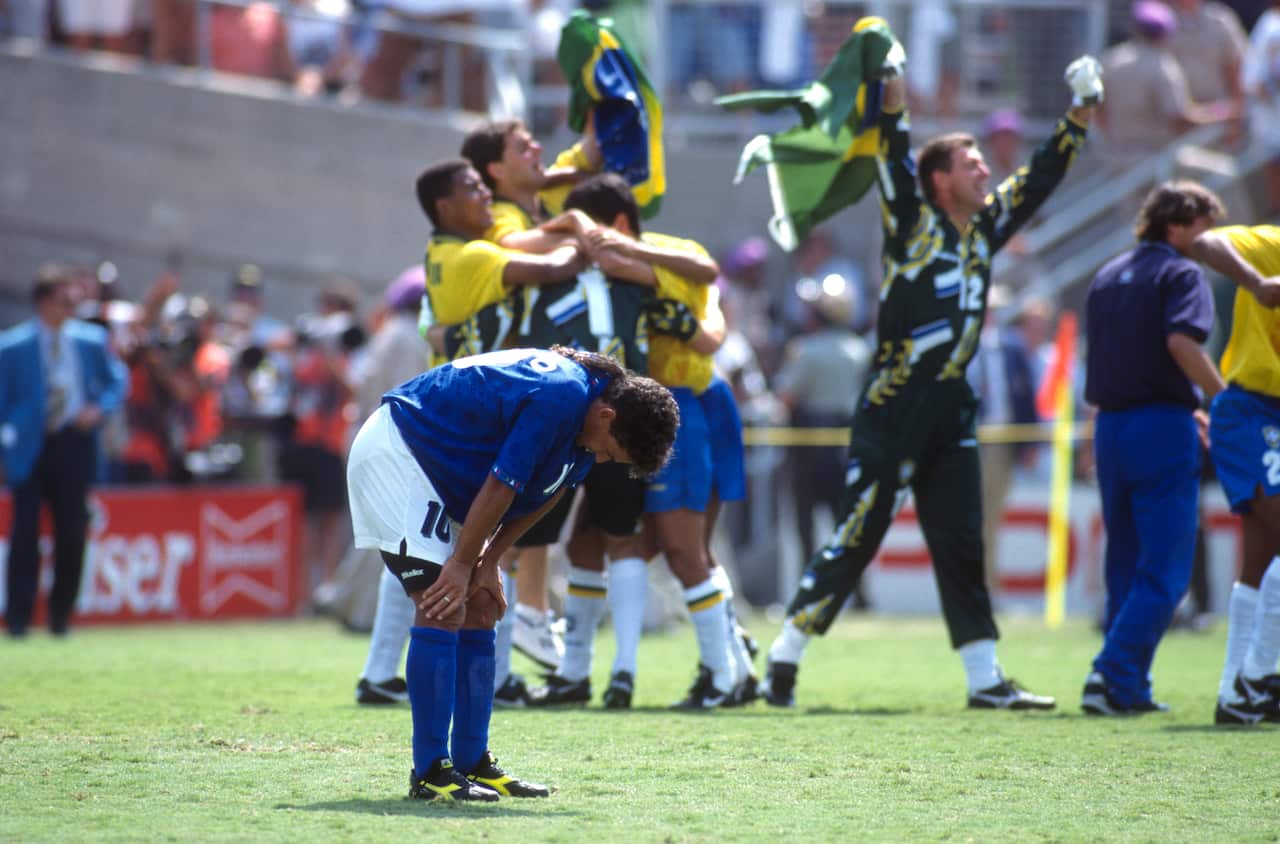
Penalty kicks are among the most decisive and psychologically intense moments in football. In a matter of seconds, a single shot can define matches, careers and even a nation’s World Cup dreams. But what really goes through a player’s mind when standing over the ball?
That question inspired Professor Benno Torgler and researcher David Savage from Queensland University of Technology (QUT) in Australia to investigate the relationship between stress and performance in elite sport.

Their study, Nerves of Steel? Stress, Work Performance and Elite Athletes, analysed 325 penalty kicks taken in FIFA World Cups and UEFA European Championships between 1976 and 2008. The research found that penalty shootouts are far from random. Psychology plays a major role in the outcome.
For Torgler, football acts as a “mini laboratory of human behaviour” because it allows researchers to observe how people respond under extreme pressure in a controlled environment.
“Football is almost a mini experimental universe,” Torgler told SBS Portuguese. “Players perform under the same rules, the same conditions and enormous emotional pressure. That allows us to observe how human beings deal with competition, fear, cooperation and failure.”
Unlike many professions, penalty kicks provide measurable conditions. Researchers can analyse the stage of the match, the risk of elimination, crowd pressure, player age and experience, all within the same framework.
One of the study’s most surprising findings involved age. Players aged between 23 and 28 performed worse than younger teammates in decisive penalties. According to the research, they were 13.7 per cent less successful.
The explanation may seem counterintuitive. Experience is usually seen as an advantage in elite sport. But Torgler believes younger players may approach the moment with less emotional burden.
“Younger players may enter these situations more relaxed and without carrying the same weight of expectations,” he explained. “Players at the peak of their careers often feel a stronger obligation to succeed.”
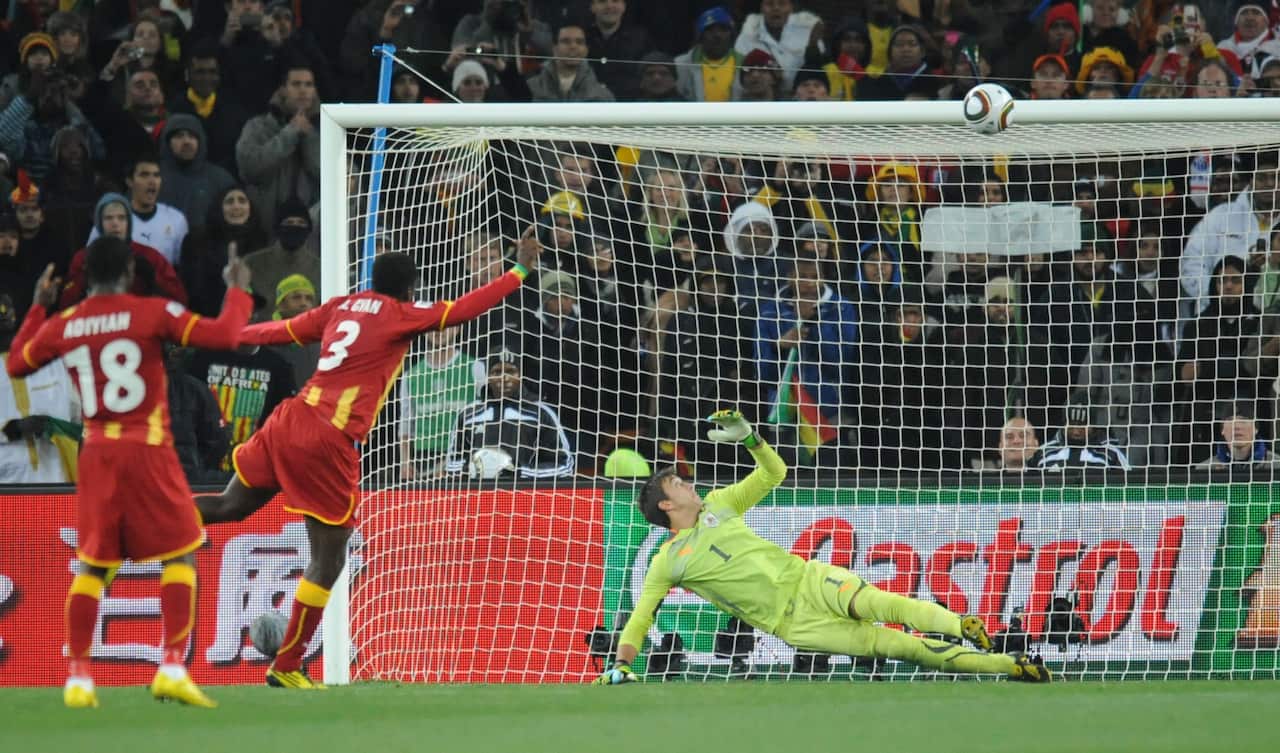
Still, the biggest factor is not age or technical skill. It is fear of failure.
The study distinguishes between two types of pressure. “Positive stress” happens when a player can score and gain an advantage, while still believing there is a chance to recover after a miss. “Negative stress” occurs when missing means immediate elimination.
The impact is dramatic. According to the research, players facing negative stress experienced a drop of up to 45 per cent in their success rate.
“When players know there is no possibility of recovery, the psychological impact becomes enormous,” Torgler said.
The research also explored how comparison between teammates can influence performance. According to Torgler, players tend to compare themselves with teammates in similar positions, particularly when salaries, recognition or opportunities are involved. Those comparisons can generate feelings of envy that may damage both individual performance and team cooperation.
More recent studies also suggest players are less likely to score after an opponent successfully converts a penalty, highlighting how emotional pressure can shift during a shootout.
For Torgler, football reveals something much larger than sport itself: how humans behave under pressure, uncertainty and fear.
Follow SBS Portuguese on Facebook, X, Instagram and You Tube.
SBS Portuguese is on Spotify, Apple Podcasts, iHeart Podcasts, PocketCasts or whatever you listened to your podcasts.