
1.24 ਬਿਲੀਅਨ ਡਾਲਰ ਦੇ ਪ੍ਰੋਗਰਾਮ ਦੇ ਅਧੀਨ, ਹੁਣ ਵਿਕਟੋਰੀਆ ਦੇ ਵਾਸੀ ਅੱਧੇ ਮੁੱਲ ਉਪਰ ਸੋਲਰ ਪੈਨਲ ਪ੍ਰਣਾਲੀ ਲਗਵਾਉਣ ਅਤੇ ਬਾਕੀ ਦੀ ਕੀਮਤ ਨੂੰ ਚਾਰ ਸਾਲਾਂ ਵਿੱਚ ਬਿਨਾਂ ਵਿਆਜ ਦੇ ਕਰਜ਼ੇ ਵਜੋਂ ਮੋੜਨ ਦੇ ਯੋਗ ਹੋਣਗੇ।
ਸੋਲਰ ਪੈਨਲਾਂ ਉਪਰ 50 ਪ੍ਰਤੀਸ਼ਤ ਦੀ ਛੋਟ ਉਹਨਾਂ ਵਿਕਟੋਰੀਆ ਦੇ ਵਾਸੀਆਂ ਲਈ ਉਪਲਬਧ ਹੋਵੇਗੀ ਜਿੰਨ੍ਹਾਂ ਦੀ ਘਰੇਲੂ ਆਮਦਨ 180,000 ਡਾਲਰ ਤੱਕ ਹੈ ਅਤੇ ਜੋ ਆਪਣੇ 3 ਮਿਲੀਅਨ ਡਾਲਰ ਤੱਕ ਦੀ ਕੀਮਤ ਵਾਲੇ ਘਰਾਂ ਵਿੱਚ ਰਹਿੰਦੇ ਹਨ – ਇਸ ਦਾ ਮਤਲਬ 10 ਵਿੱਚੋਂ ਵਿਕਟੋਰੀਆ ਦੇ ਲੱਗਭੱਗ ਨੌਂ ਵਾਸੀ ਜਿੰਨ੍ਹਾਂ ਕੋਲ ਆਪਣੇ ਘਰ ਦੀ ਮਾਲਕੀ ਹੈ ਇਸ ਦੇ ਯੋਗ ਹੋਣਗੇ।
ਊਰਜਾ ਮੰਤਰੀ ਲਿਲੀ ਡੀ’ਐਂਬਰੇਸੀਓ ਨੇ ਇਸ ਬਾਰੇ ਬਿਆਨ ਦਿੰਦਿਆਂ ਆਖਿਆ ਹੈ, "ਜਦੋਂ ਤੋਂ ਜੈਫ ਕੈਨੇਟ ਅਤੇ ਲਿਬਰਲਾਂ ਨੇ ਊਰਜਾ ਬਜ਼ਾਰ ਦਾ ਨਿੱਜੀਕਰਣ ਕੀਤਾ ਹੈ, ਕੰਪਨੀਆਂ ਆਪਣੀਆਂ ਕੀਮਤਾਂ ਵਧਾ ਰਹੀਆਂ ਹਨ ਅਤੇ ਇਹ ਚੱਲੀ ਜਾ ਰਿਹਾ ਹੈ। ਸਿਰਫ ਲੇਬਰ ਹੀ 650,000 ਘਰਾਂ ਉਪਰ ਸੋਲਰ ਪੈਨਲ ਲਗਾ ਕੇ ਸ਼ਕਤੀ ਵਾਪਸ ਵਿਕਟੋਰੀਆ ਦੇ ਵਾਸੀਆਂ ਦੇ ਹੱਥ ਵਿੱਚ ਦੇਵੇਗੀ”।
ਸਰਕਾਰ ਦੀ ਮੰਨੀਏ ਤਾਂ ਇਹ ਪ੍ਰੋਗਰਾਮ ਵਿਕਟੋਰੀਆ ਦੇ ਇੱਕ ਆਮ ਘਰ ਨੂੰ ਦਰਮਿਆਨੀ 4 ਕਿਲੋਵਾਟ ਦੀ ਸੋਲਰ ਪ੍ਰਣਾਲੀ ਨੂੰ ਲਗਵਾਉਣ ਲਈ 2,225 ਡਾਲਰ ਤੱਕ ਦੀ ਬਚਤ ਕਰੇਗਾ।
ਵਿਕਟੋਰੀਆ ਸਰਕਾਰ ਦਾ ਦਾਅਵਾ ਹੈ ਕਿ ਬਿਨਾਂ ਪਹਿਲਾਂ ਕੋਈ ਖਰਚਾ ਕੀਤਿਆਂ ਅੱਧੇ ਮੁੱਲ ਦੇ ਸੋਲਰ ਪੈਨਲ ਨਾਲ਼ ਲੋਕ ਊਰਜਾ ਬਿੱਲਾਂ ਵਿੱਚੋਂ ਲੱਗਭੱਗ 890 ਡਾਲਰ ਪ੍ਰਤੀ ਸਾਲ ਬਚਾ ਸਕਣਗੇ।
ਪ੍ਰੀਮੀਅਰ ਡੈਨੀਅਲ ਐਂਡਰੀਊਜ਼ ਨੇਇਸ ਬਾਰੇ ਬਿਆਨ ਦਿੰਦਿਆਂ ਆਖਿਆ ਹੈ, “ਅਸੀਂ ਜਾਣਦੇ ਹਾਂ ਕਿ ਰਹਿਣ ਸਹਿਣ ਦੀ ਲਾਗਤ ਉਪਰ ਜਾ ਰਹੀ ਹੈ ਅਤੇ ਬਿੱਲਾਂ ਦਾ ਭੁਗਤਾਨ ਔਖਾ ਹੁੰਦਾ ਜਾ ਰਿਹਾ ਹੈ। ਇਸੇ ਕਰਕੇ ਲੇਬਰ ਪਰਿਵਾਰਾਂ ਦੀਆਂ ਊਰਜਾਂ ਦੀ ਲਾਗਤਾਂ ਵਿੱਚ ਸਹਾਇਤਾ ਕਰ ਰਹੀ ਹੈ। ਸਿਰਫ ਲੇਬਰ ਹੀ ਤੁਹਾਡੀ ਛੱਤ ਉਪਰ ਸੋਲਰ ਪੈਨਲ ਲਗਵਾ ਕੇ ਤੁਹਾਡੇ ਬਿਜਲੀ ਦੇ ਬਿੱਲਾਂ ਵਿੱਚੋਂ ਲੱਗਭੱਗ 900 ਡਾਲਰ ਪ੍ਰਤੀ ਸਾਲ ਘਟਾਏਗੀ”।
ਹਾਲਾਂਕਿ ਵਿਰੋਧੀ ਧਿਰ, ਲਿਬਰਲ ਪਾਰਟੀ ਪ੍ਰਧਾਨ ਮੈਥਿਊ ਗਾਏ ਇਸ ਬਚਤ ਆਂਕੜੇ ਨੂੰ ਸਹੀ ਨਹੀਂ ਮੰਨਦੇ। ਉਨਾਂ ਦਾ ਆਖਣਾ ਹੈ ਕਿ ਸਰਕਾਰ ਇਹੋ ਜਿਹੀਆਂ ਸਕੀਮਾਂ ਨਾਲ ਲੋਕਾਂ ਨੂੰ ਗੁਮਰਾਹ ਕਰ ਰਹੀ ਹੈ।
ਸਰਕਾਰ ਸੋਲਰ ਹੋਮਜ਼ ਪ੍ਰੋਗਰਾਮ ਦੀ ਆਰੰਭਤਾ ਲਈ ਤੁਰੰਤ 68 ਮਿਲੀਅਨ ਡਾਲਰ ਦਾ ਨਿਵੇਸ਼ ਕਰੇਗੀ।
ਜ਼ਿਆਦਾ ਜਾਣਕਾਰੀ ਲਈ www.solar.vic.gov.au ਉਪਰ ਜਾਓ ਜਾਂ ਸੋਲਰ ਵਿਕਟੋਰੀਆ ਨਾਲ 1300 363 744 ਉਪਰ ਸੰਪਰਕ ਕਰੋ।
Read this story in English:
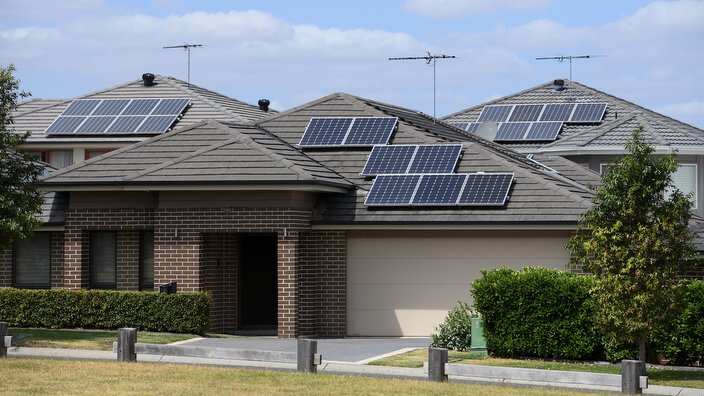
Many Victorians are now eligible to install solar panels with special rebates under the state government’s Solar Homes program.
The rebate is available to the owner-occupiers of a property valued less than $3 million with a combined household income of less than $180,000.
The scheme aims to install solar panels on 650,000 homes over ten years.
Minister for Energy, Environment and Climate Change Lily D’Ambrosio said, “We’re offering half-priced rebates on solar panels from today, to save Victorians money and give them control back over their power bills.”
“The Solar Homes program will help 720,000 households cut their energy bills with either solar panels, solar hot water systems or solar batteries.”
The minister announced that eligible Victorian households who installed solar panels on or after 19 August can now apply for a rebate to cover half the cost, up to a maximum of $2225.
According to the media statement, applications for a $1,000 rebate for solar hot water systems are expected to open shortly.
The rebates for eligible households for both solar panels and solar hot water systems will be available until 30 June next year.
The government will pay the full upfront cost of solar panel installations, with households able to pay off half the cost via an interest-free loan.
More than 10,000 people registered their interest in rebates in the three weeks since the program was announced by the government in August this year.

The government claims that the new initiative will help Victorians save around $890 a year on their power bills, a figure that is debated by the state opposition.
During an earlier announcement, Premier Daniel Andrews said, “Only Labor will help put solar panels on your roof to cut your electricity bills by around $900 a year.”
The Opposition Leader Matthew Guy suggested the government's projections for household savings are not right.
"I've had solar at home for about two years and anybody who says that having solar at home is going to drop their bills by about $1000 a year, I think they're dreaming," Mr Guy said.
Sukh Dandiwal who lives in Melbourne’s southeast also shares his concerns over the government’s solar energy saving figures.
“We’ve a 7kW solar system installed at our property. But we’re yet to see some real changes in our energy bills,” said Mr Singh.
“We spent over $6000 on the solar installation about 5 years ago. But it’s not up to our expectations. I’d suggest people to do their calculations before they commit to spend from their pocket.”



