
While driving home one rainy day, Anna Anisimova spotted a painting in a beautiful frame among the garbage left for pick up on the side of a Melbourne road.
She picked up the watercolour painting of a stone house, which looked quite old, and took it home without realising at that time that her actions had saved an antique artwork from certain death.
Offering the piece that was wet because of the rain it had endured, a place in her garage, the PhD student began to carefully open the old-fashioned frame.
“I took a scalpel and carefully cut along the contour. I had to lay out all the layers to see what was inside. It was like Tutankhamun, as if it hadn’t been opened for hundreds of years," said Ms Anisimova.
The materials used were paper, cardboard, a fragment of a book, newspapers - they say and shout: 'I come from the end of the 19th century'.
She noticed the signature and the date: JJ Clark, 1877, and immediately googled the name.
John James Clark turned out to be one of the most famous Australian architects. He was born in Liverpool, England in 1838 and moved to Melbourne in 1852.
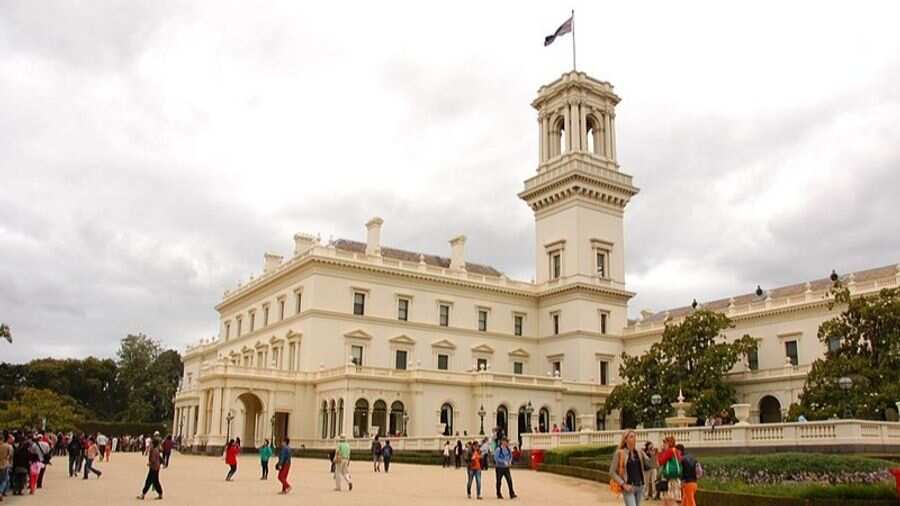
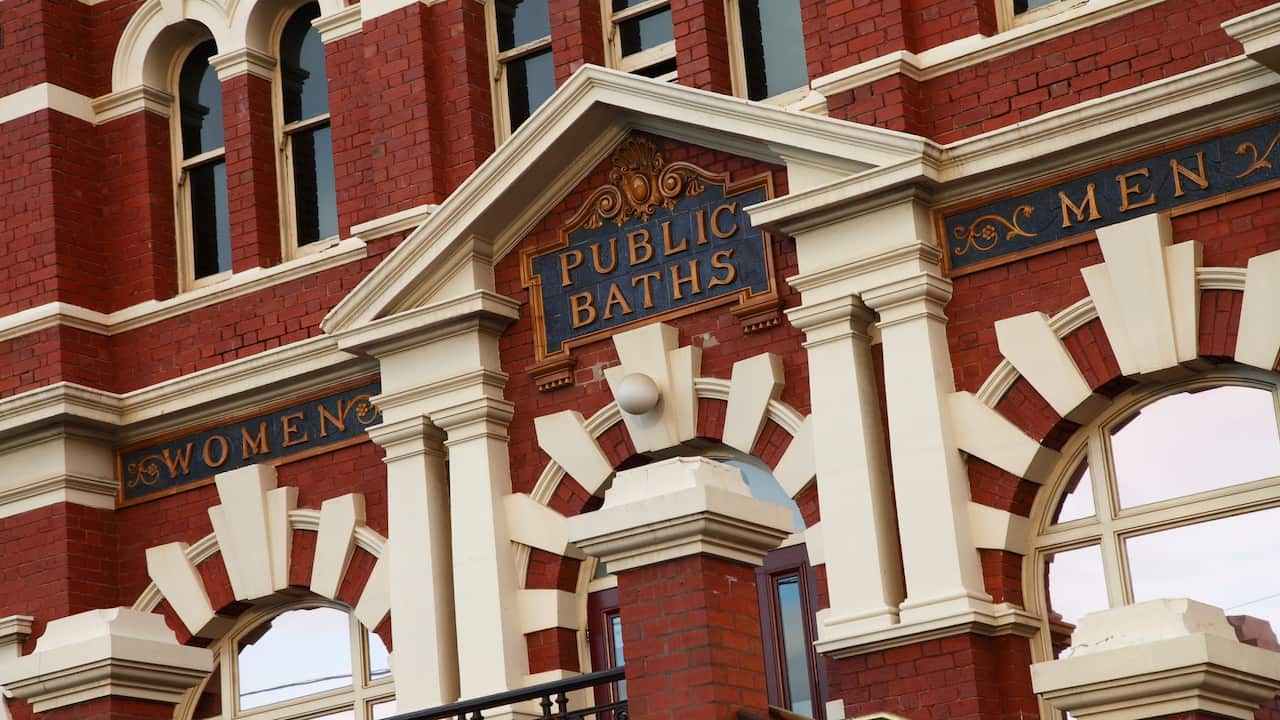
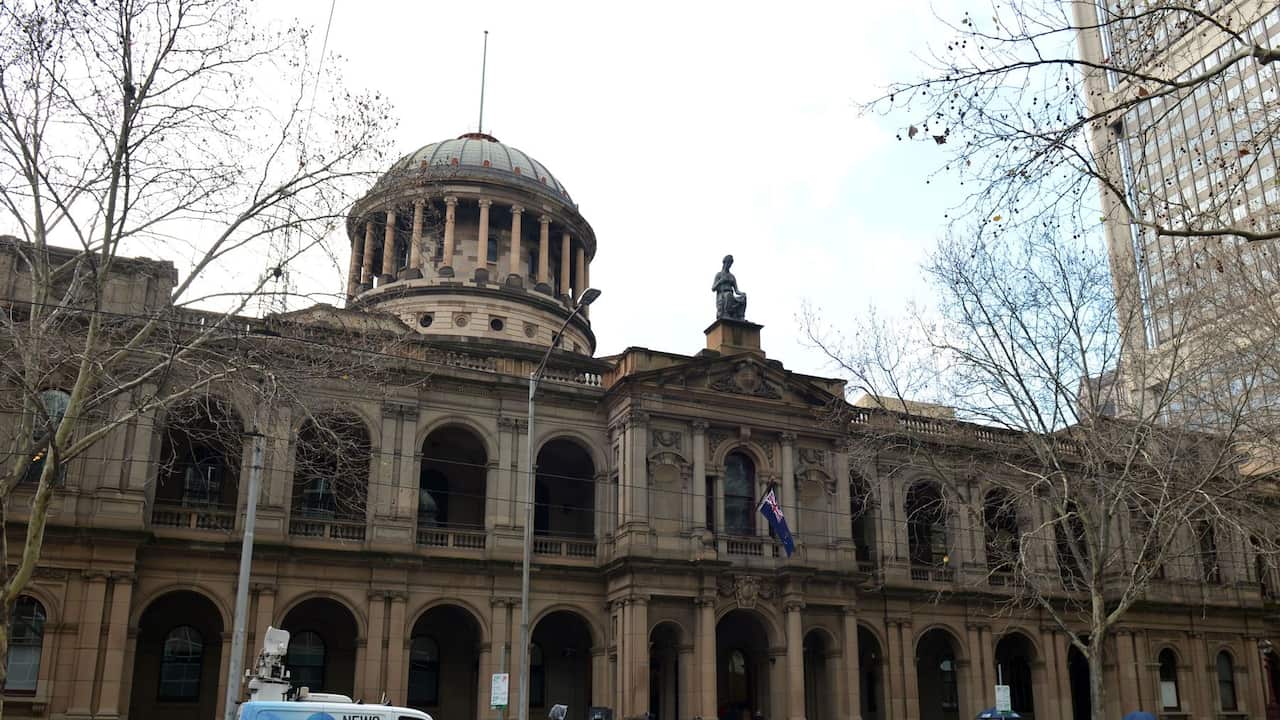
He designed a number of iconic buildings in Melbourne, Perth, Brisbane, Auckland and in regional Australia, Including the buildings Ms Anisimova was passing by almost every day, like the Melbourne City Baths and The Old Treasury Building.
JJ Clark also designed Melbourne Town Hall Administration Building and the Government House and took part in designing Supreme Court of Victoria.
Ms Anisimova said she researched more about the architect to understand his interest in painting.
“In one of the articles about him it was said that he was not only an architect but also an artist who engaged in watercolor.
“It turned out that it was during those times [when the painting was created] JJ Clark took painting lessons from a famous Swiss artist."
Ms Anisimova discovered that JJ Clark's watercolors were kept in the National Gallery of Victoria collections and she studied the digital archives.
“I couldn’t recognise the touch of the master because the style of these artworks was quite different. So I went to the library and found the book about JJ Clark written by Andrew Dodd, Associate Prof at Melbourne University," she told SBS Russian.
In this book, she found reproductions of watercolors that were very similar to the painting she found on the roadside. The signature and the date also looked similar.
Trumpets played, angels flew, and I thought 'that’s for sure, I agree with myself, this is an original'.
She went to the NGV, where she was recommended to do a professional examination of authenticity. She also contacted Associate Prof Andrew Dodd, and they agreed that Anna had saved the original work of JJ Clark.
Ms Anisimova says she is going to share the painting on Research Data Australia, a data tool for research organisations and cultural groups.
“I have moved it from the garage to the house because it has such a value”.
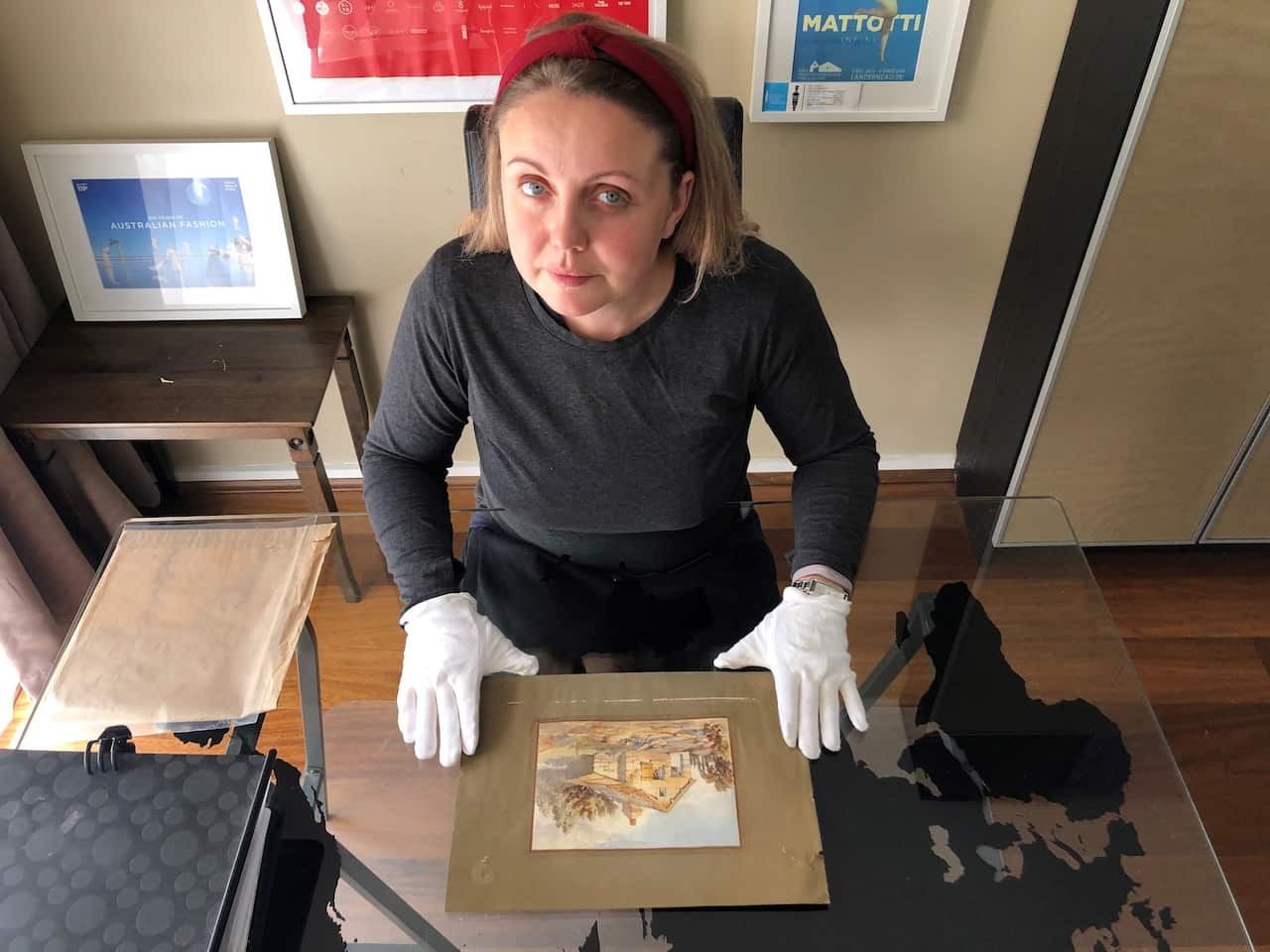
“Its’ not just about the value. The thing is, it was clearly among some hard rubbish, and on the next day the garbage men would take it to a landfill."
And she is thanking her curiosity and attentiveness for the chance discovery.



