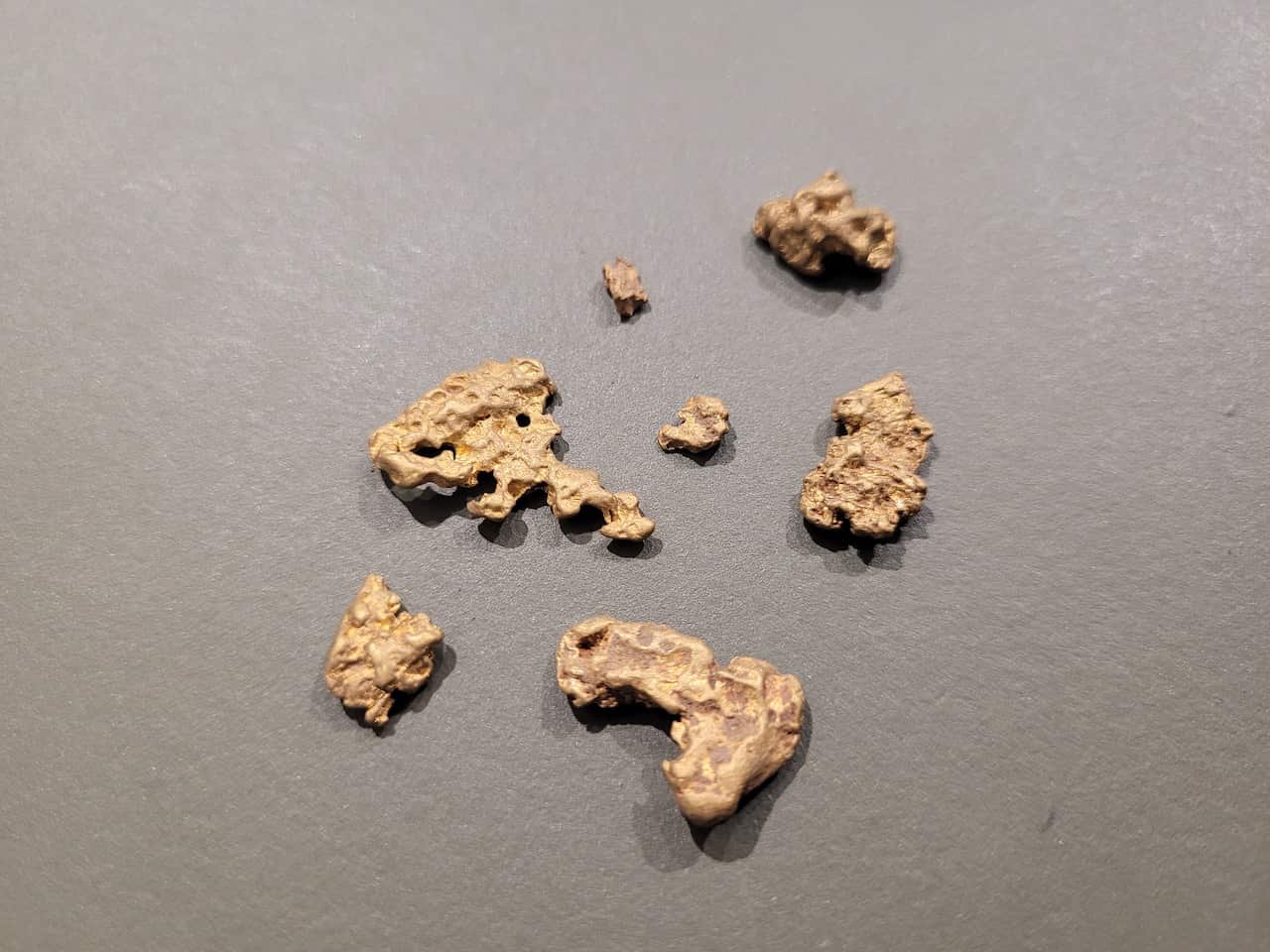


Anton Tulsky is a radio host, composer, gold prospector and ads creator, but this time he came to our studio in Melbourne to talk about his collection of antiques and Australian antique market as well as treasure hunting as a hobby and business.
“It all started in the Saint-Petersburg. My brother and I loved going to Udelka, the flea market,” says Anton Tulsky, known in Melbourne's Russian-speaking community primarily as a gold digger and in Russia as a host of a radio show about Australian music.
There, near the Udelnaya metro station, Anton fell in love with “old things with history”.
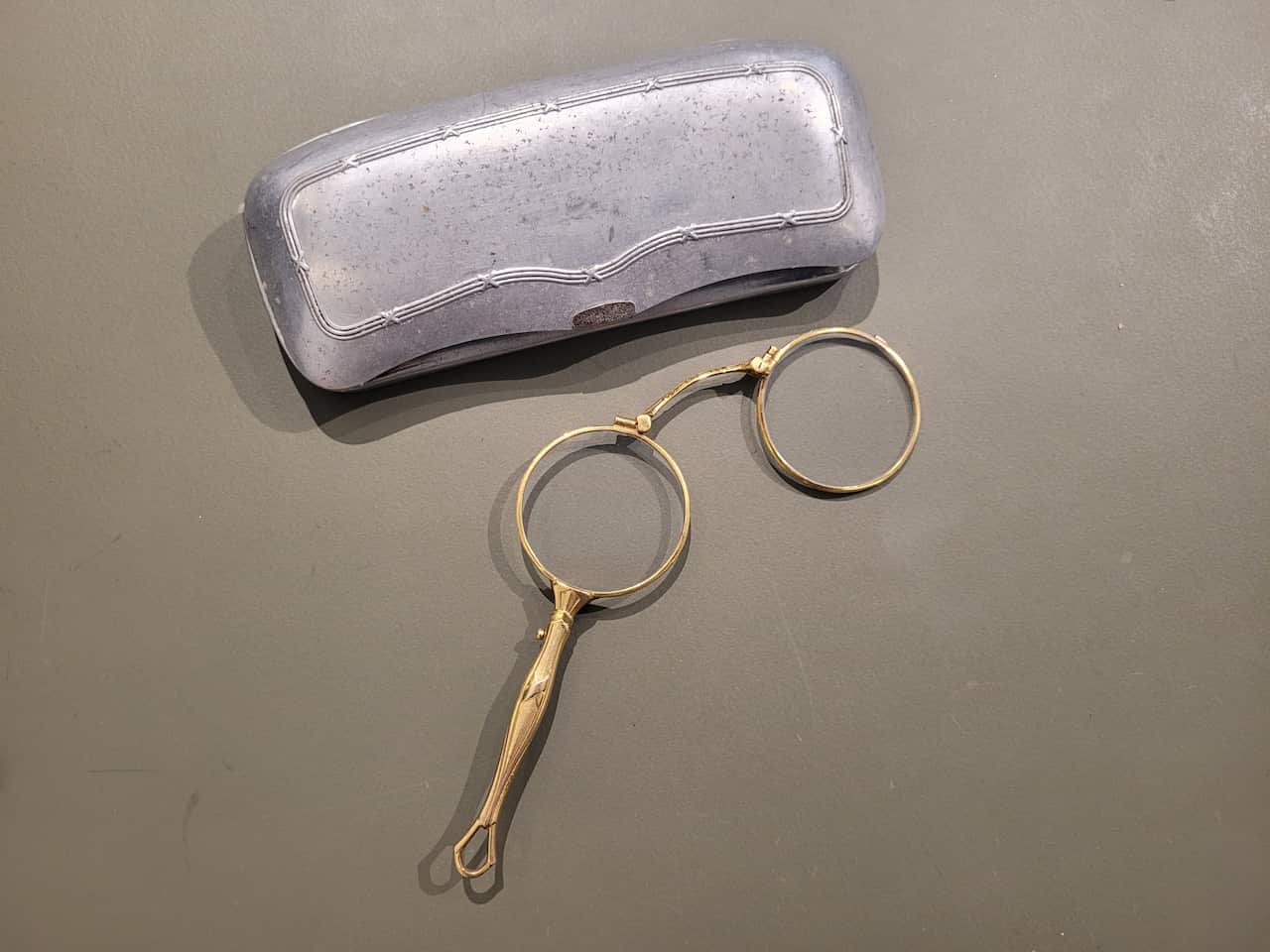
“Antiquarian business is like a detective story,” Anton shares. “For me, looking for things is not just about “finding and selling”. It's about learning the history of these things. And some of the things are amazing: you buy them for $10 and then find out they're a national treasure.”
"My own experience, my antiquarian friends, the laboratory, the Internet and artificial intelligence help with this".
Anton brought a few pieces from his collection to our studio and invites listeners to share their views on what it could be.
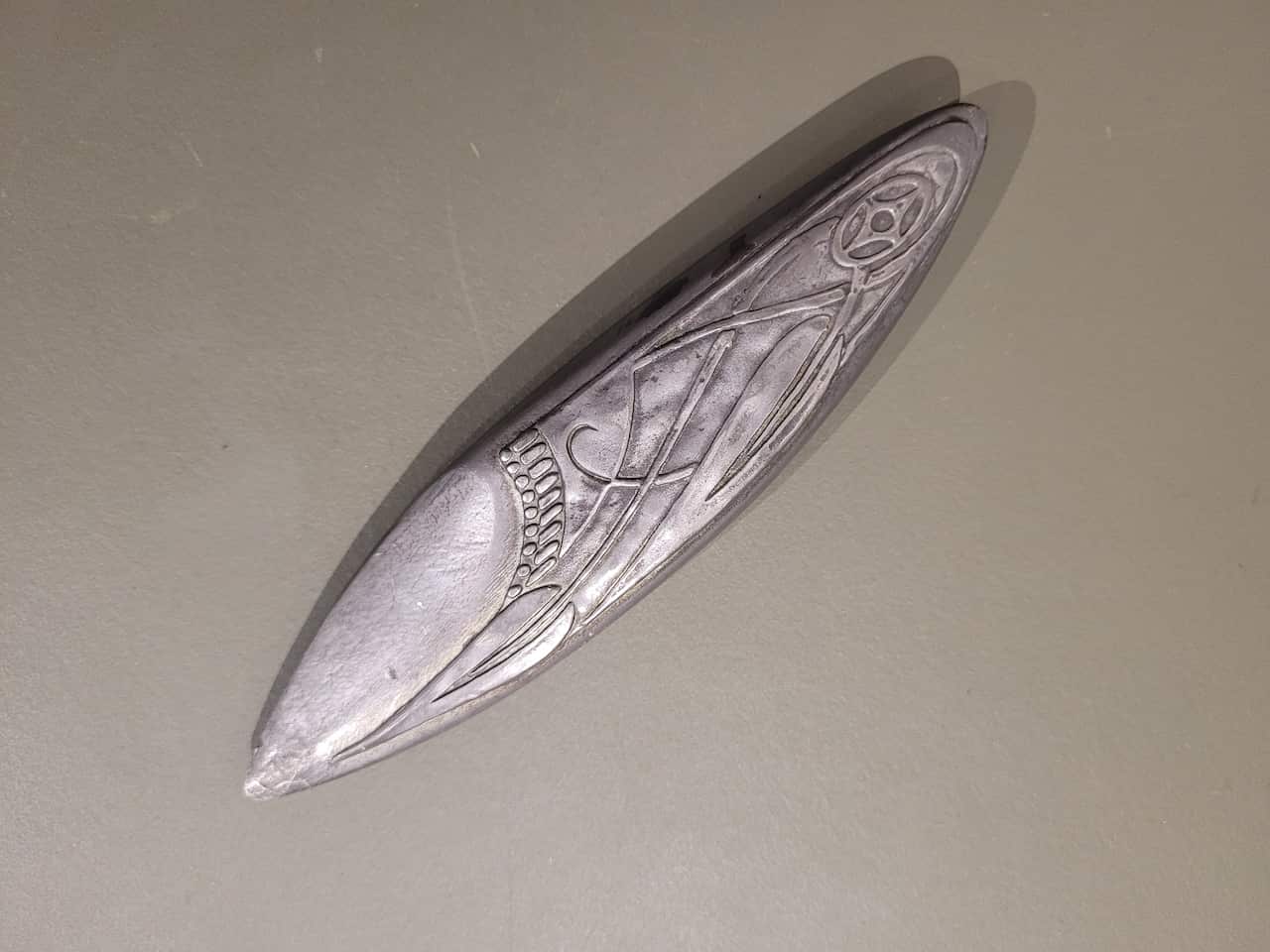
This tin knife is interesting because it uses a very hard alloy. It's a pretty heavy knife.
“When I found it, I didn't immediately understand what it was for. There are several versions. One is for opening shells. But many people still believe that this is a knife for opening letters,” says Anton.
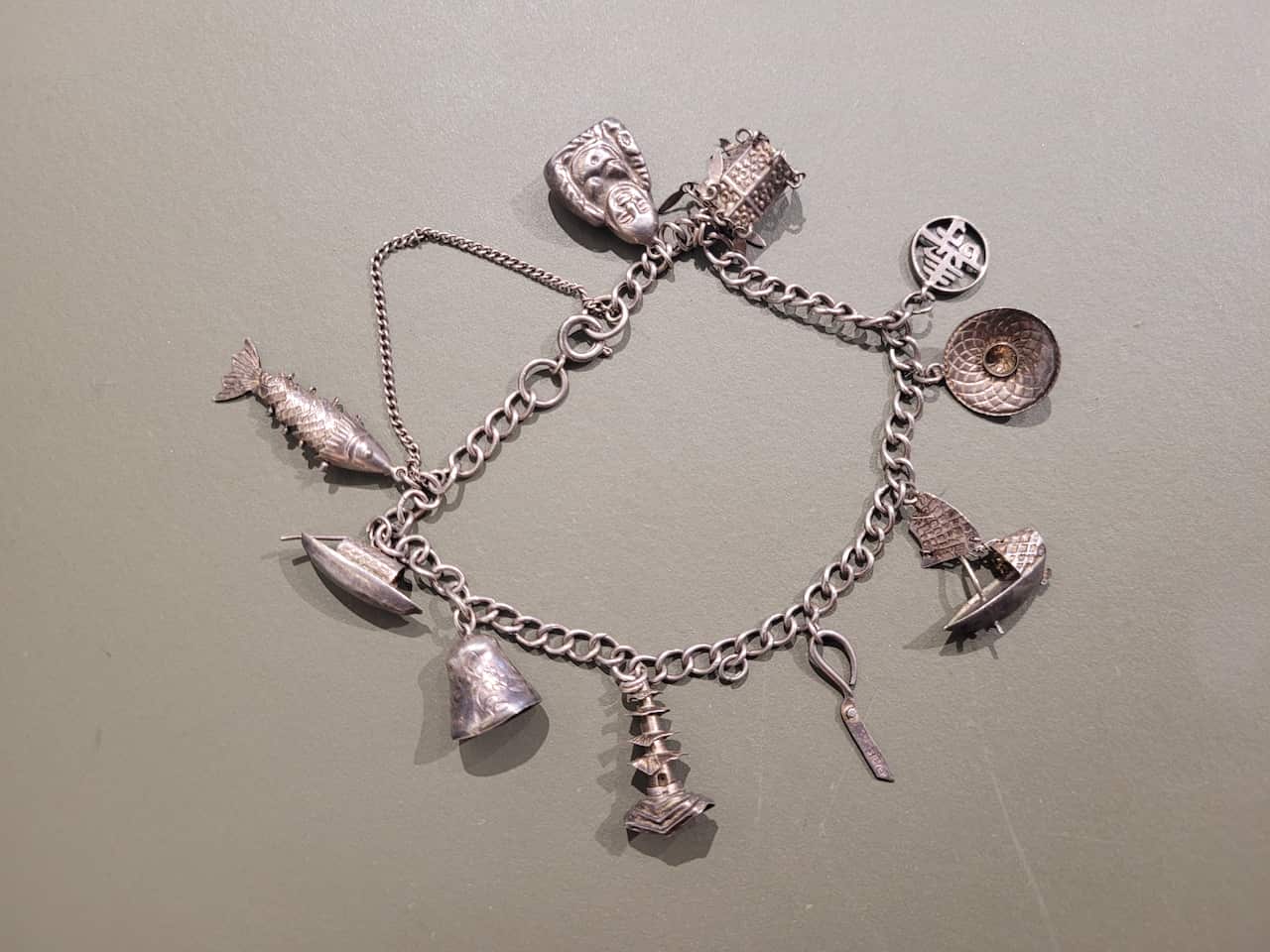
This is a Chinese silver charm bracelet. “They were very popular with female travellers,” explains Anton. In every new city, they bought a pendant to decorate.
“This is a very elegant bracelet, I've never seen such an elegant bracelet again. It's so thin that you're even afraid to wear it,” he notes.
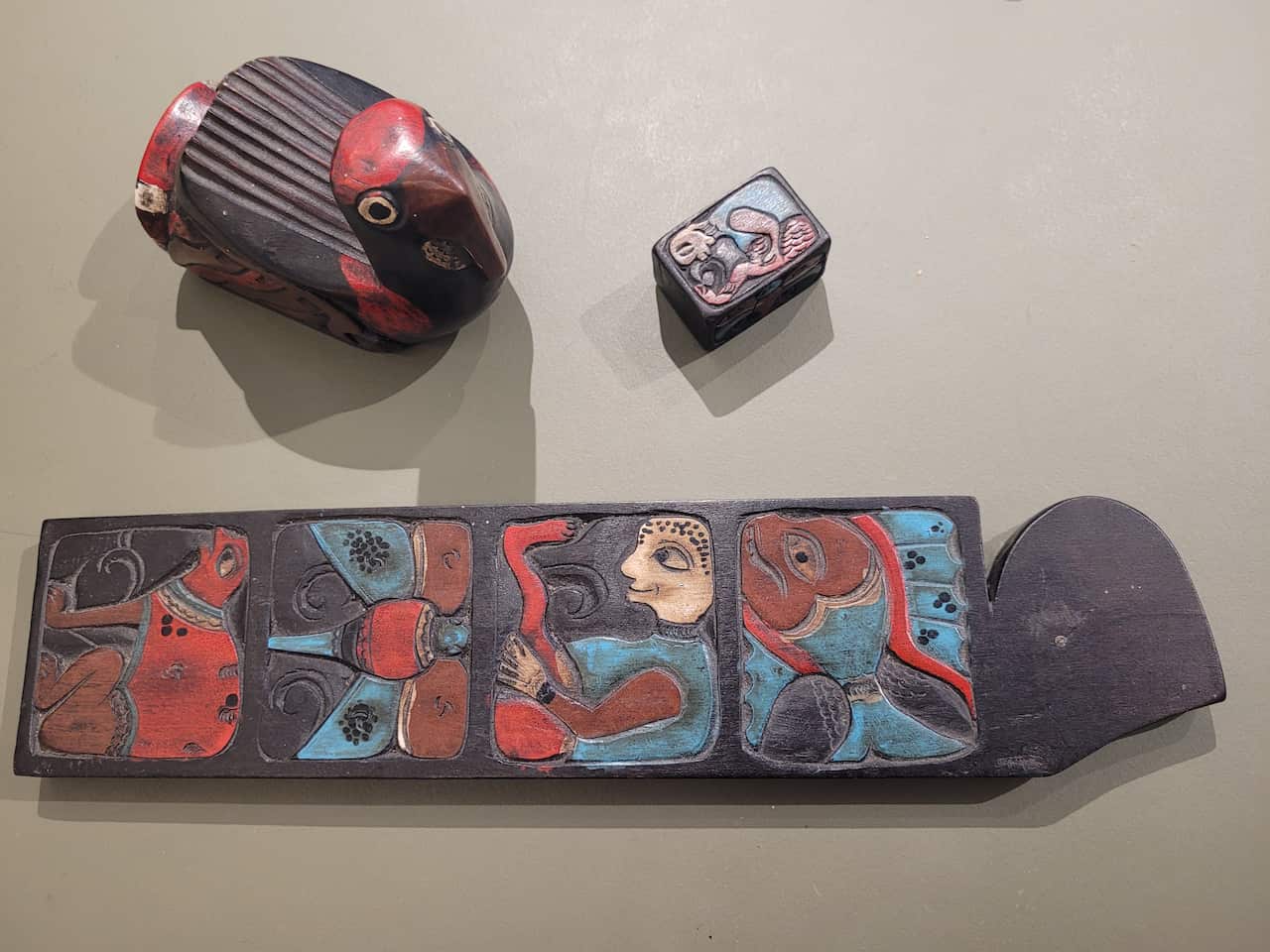
The history of these handmade wooden items is unknown. Anton Tulsky believes that they came to Australia from Latin America. The podcast author sees them as echoes of South Asian cultures, and the author's daughter believes that they are a storytelling set with musical accompaniment.
Share your views on SBS Russian Facebook page or email us at Russian.Program@sbs.com.au
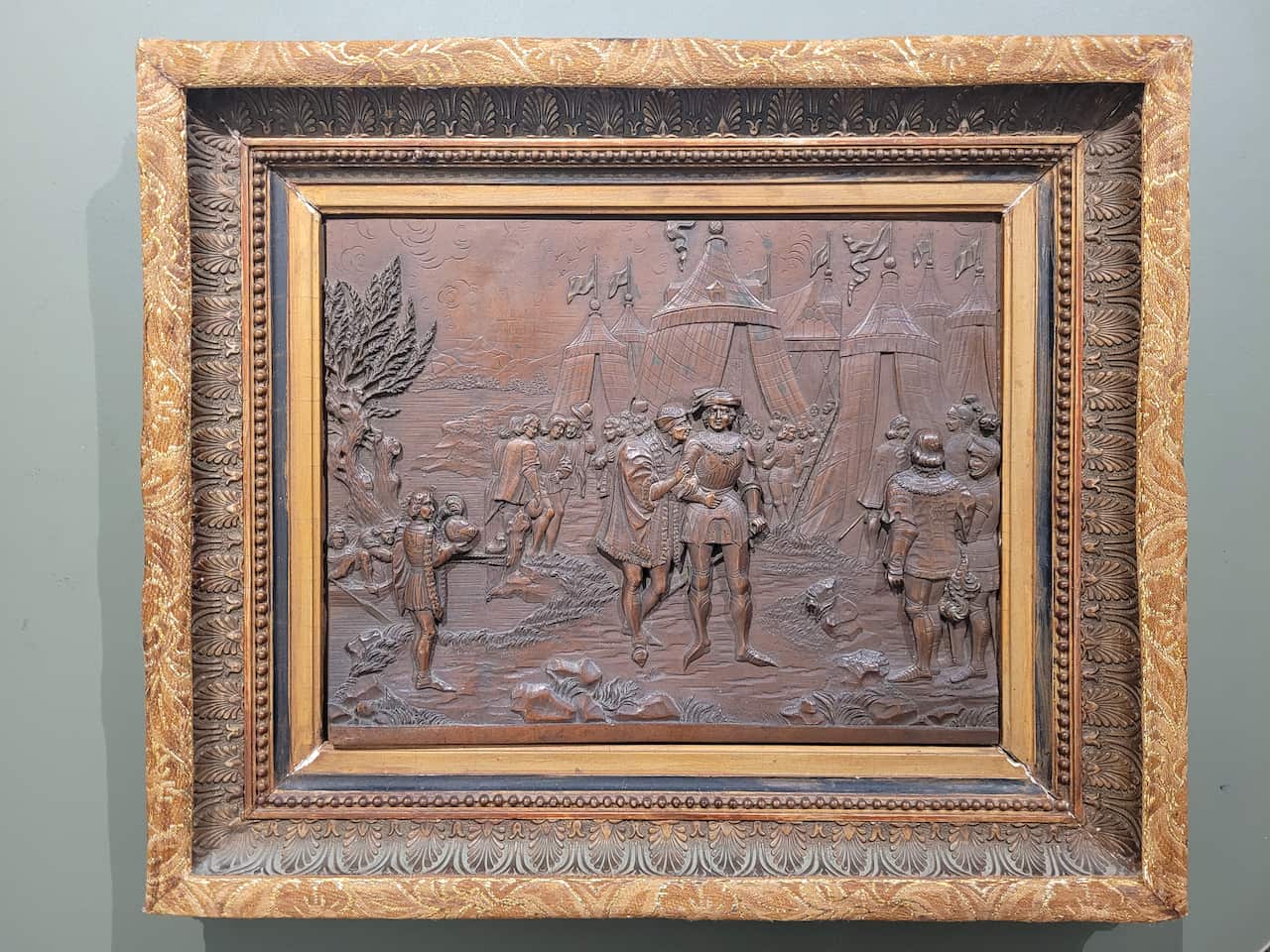
The jewel of the collection is a probably 17th century bronze painting. According to Anton, there are no copies or analogues of this painting.
“This is my most expensive and unique thing. I studied it for several days and understood the subject of this painting - Joan of Arc,” says Anton.
She is usually depicted in the foreground on horseback, but here she is slightly behind.
“The storyline is clear, but with a religious context, and this, in a sense, indirectly proves that this is really an ancient work, a church commission from religious times,” explains Anton.