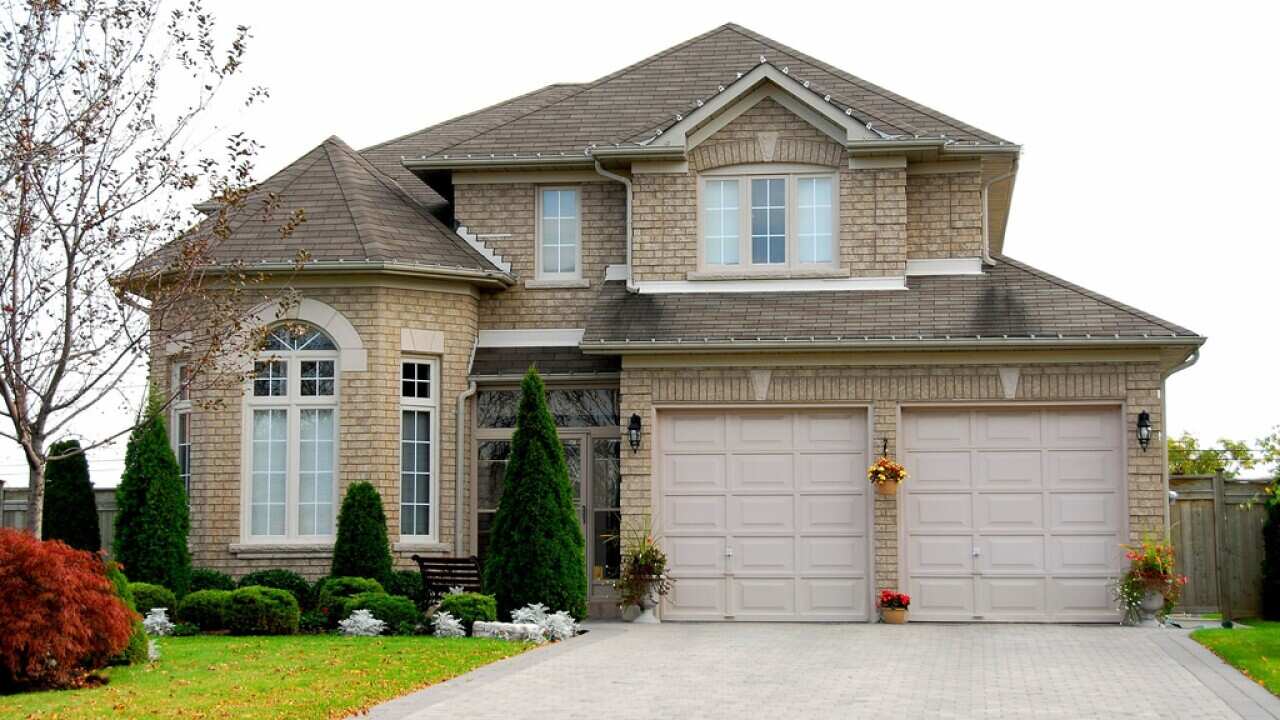
The great Australian dream of owning a home is becoming more of a fantasy, with fewer than half of adults expected to become a home owner in the next few years. Sky-high house prices are squeezing younger generations out of the property market, while older Australians are cashing in, a new report shows. The wealthiest households in the country are couples over 65, who have experienced a real increase in median net wealth of almost 70 per cent since 2002, the Household, Income and Labour Dynamics in Australia (HILDA) report shows.
The Melbourne Institute report's author, Roger Wilkins, says the number of owner-occupied houses fell by 3.5 percentage points between 2001 and 2015, and is tipped to decline further. "That translates to 700,000 Australian homes," he said. "It is likely that in the next few years less than half of adults will be home owners."
As home ownership widens the wealth gap between the generations, the overall divide between rich and poor is also growing.
Nearly 70 per cent of all Australian households received some form of welfare benefits between 2001 and 2014.
"The data exposes some painful realities in many of the nation's households," Professor Wilkins said. "We're seeing high poverty rates for single parent families."
Almost 20 per cent of single parent families are lacking basic essentials. And, 88 per cent of lone parents are women.
"Parents using child care are, in real terms, paying more than double the fees they were paying in 2002," Prof Wilkins said.
"This is despite 25 per cent of families relying on grandparents for child care, who provide an average of 14 hours of care per week."
The findings also show a bleaker picture for the jobs market, with small businesses employing fewer people.
Small firms are more likely to hire men, older people, and trade workers. These jobs tend to be part time and casual and come with a lower wage,.
About 17,000 Australians are interviewed yearly for the HILDA report to create a comprehensive picture of the nation, spanning topics that include household finances, employment, family life and health.
Shadow Treasurer Chris Bowen said the figures are more evidence that the existing policy settings are not right. "We don't want to be a nation in which the great Australian dream of home ownership is a memory, not a reality," he told reporters in Sydney. He reiterated Labor's election policy to wind back capital gains tax concessions and limit negative gearing to new properties.
"This would increase housing supply and provide the answer, the most appropriate answer for the housing affordability challenge," Shadow Treasurer Chris Bowen said.