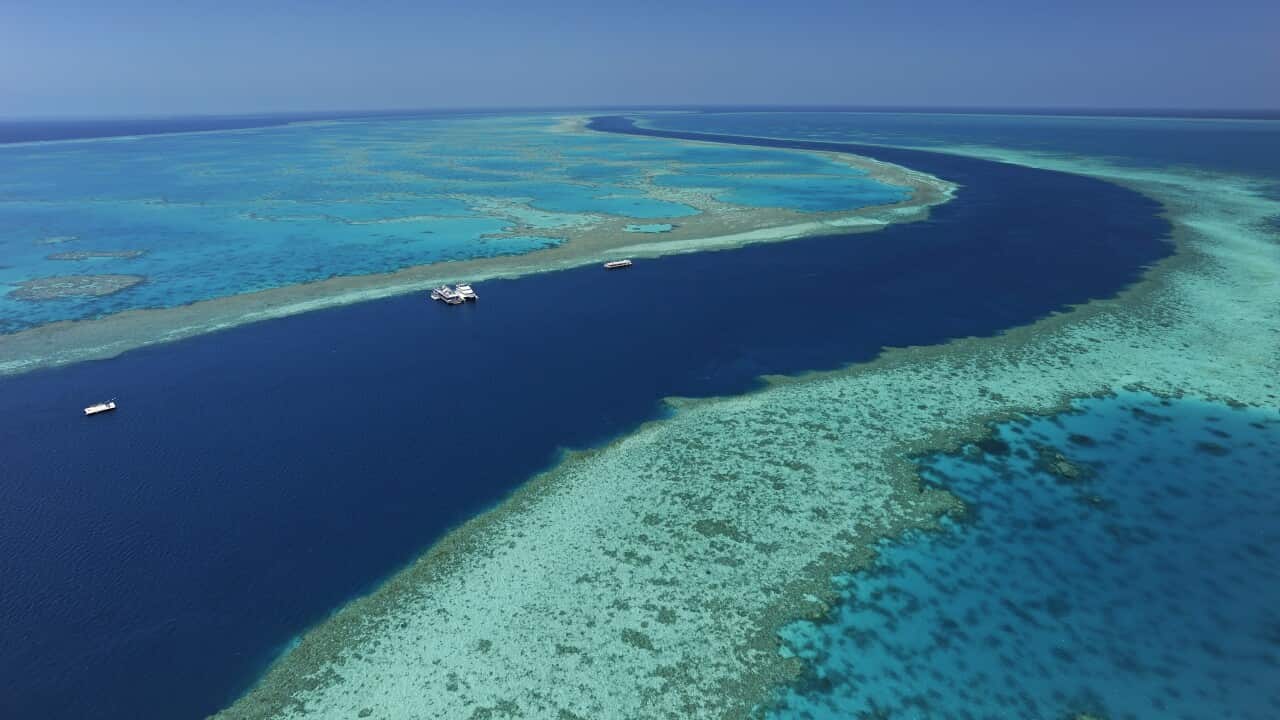
Reports of the death of the Great Barrier Reef have been greatly exaggerated, scientists have said, after the publication of an “obituary” for the vast coral ecosystem.
The famed 1,400-mile network of reefs “passed away in 2016 after a long illness”,wrote food and travel writer Rowan Jacobsen in an article for Outside magazine. According to Jacobsen, the reef’s demise followed the “most catastrophic bleaching event in its history, from which it would never recover”.
Despite the rather tongue-in-cheek nature of the obituary various news outlets, including the Sun in Britain and the New York Post in the US, and social media users have rushed to mourn the supposed passing of the Great Barrier Reef. The ecosystem lies off the east coast of Australia and is the largest living entity on the planet.
But scientists have stressed that while the Great Barrier Reef, like most coral structures around the world, is under severe stress, it hasn’t quite snuffed it yet.
“This is a fatalistic, doomsday approach to climate change that isn’t going to engage anyone and misinforms the public,” said Kim Cobb, a coral reef expert at Georgia Tech. “There will be reefs in 2050, including portions of the Great Barrier Reef, I’m pretty confident of that. I’m put off by pieces that say we are doomed.”
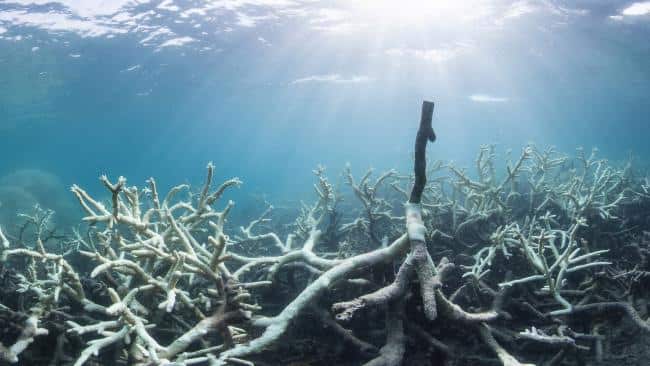
A mass bleaching event, fueled by warming oceans, has swept corals around the world but has proved most visibly destructive on the Great Barrier Reef. Almost aquarter of the reef’s coral has died off, with the previously pristine areas of the ecosystem’s north the worst affected.
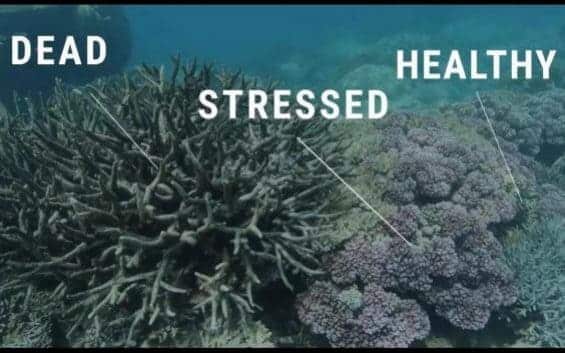
Bleaching occurs when prolonged high temperatures cause coral to expel their symbiotic algae, turning them into snow-white skeletons. Corals can recover from this but some simply die. Divers on the Great Barrier Reef have spotted large areas with degraded coral, with some reporting the smell of rotting, dying coral when they emerge from the deep.
While almost all parts of the Great Barrier Reef suffered bleaching, not all have died. Scientists hope that large parts of the ecosystem will recover, although the long-term warming and acidifying of the oceans pose a grave threat to reefs around the world.
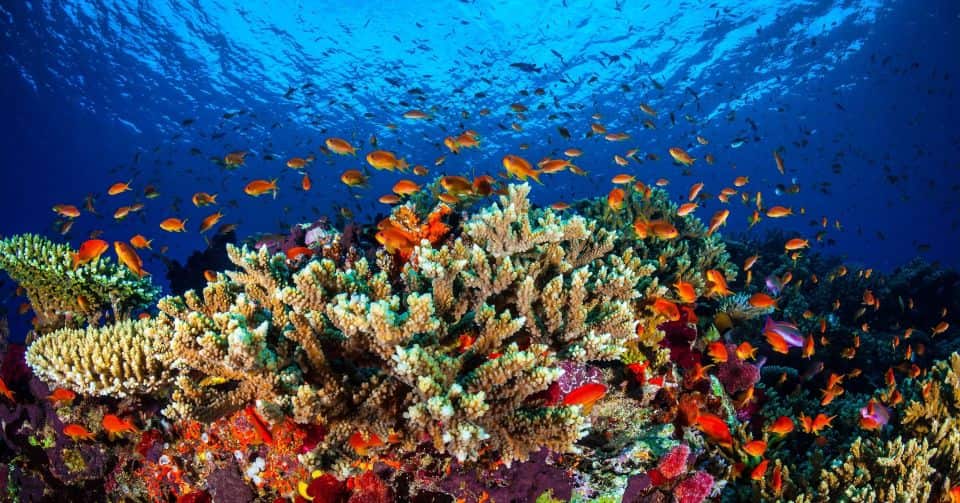
Research has shown that some coralsmay be able to adapt but the pace of the warming means that genetic engineering may be required to repopulate reefs, which are critical for thousands of marine species and a drawcard for millions of tourists.
Media coverage suggesting that the Great Barrier Reef is finished may even prove harmful. Russell Brainard, head of the coral reef ecosystem Program at Noaa’s Pacific Islands Fisheries Science Center, told the Huffington Post that some people “are going to take it at face value that the Great Barrier Reef is dead”.
Cobb added: “I have studied corals off Christmas Island in the Pacific where 85% of them have died, it was a graveyard. But even there, I was shocked to see remarkable resilience. Amid the graveyards of the reefs there were areas that looked like nothing had happened.
“There is a lot we can do to minimize climate change and we need to get going on that. To say reefs are finished and we can’t do anything about it isn’t the message we need going forward.”
The Great Barrier Reef
According to the environmentalists The Great Barrier Reef is 25 million years old and spread across roughly 2250km over an area.
The icon of the natural world is bigger than the whole of the United Kingdom and is composed of more than 2900 individual reefs and 900 islands.
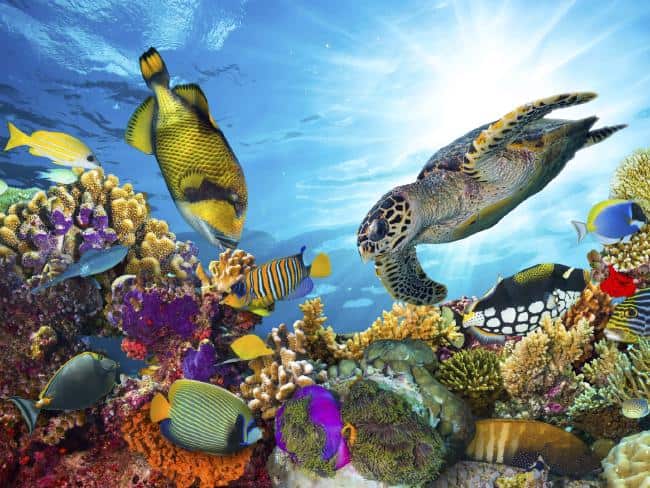
It is home to 1625 species of fish, 3000 molluscs, and 30 different types of whales and dolphins.
The reef lies off the coast of Queensland and can be seen from outer space.




