Prime Minister Malcolm Turnbull's Government will have to negotiate with 11 crossbenchers, including four from the revived Pauline Hanson's One Nation Party.
The Australian Electoral Commission has now announced the Senate results for all states and territories, leaving the Coalition and Labor with 30 and 26 spots respectively.
It is a drop for the Coalition, who previously had 33 representatives in the Upper House.
They need 39 votes to pass legislation, leaving them to negotiate with the crossbench — up from eight to 11 — comprising of four One Nation senators, three Nick Xenophon Team senators, as well as independents such as Jacqui Lambie and Derryn Hinch.
Family First senator Bob Day and Liberal Democrat David Leyonhjelm were also returned, as well as nine Greens (down from 10 in the previous government).
01. Jacqui Lambie
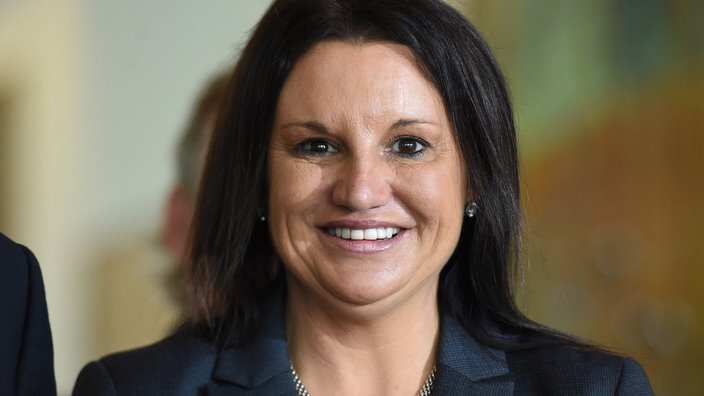
The firebrand senator first won her spot in the Senate in 2013 as part of the Palmer United party, but her relationship with Clive Palmer quickly disintegrated. She left Palmer United late in 2014 and struck out on her own as an Independent.
Senator Lambie's views cannot be easily characterised. She takes a conservative stance on national security issues, but she has become increasingly hostile to the Coalition's economic agenda, heaping praise on Labor's plans for a Royal Commission into the banks.
2. Pauline Hanson
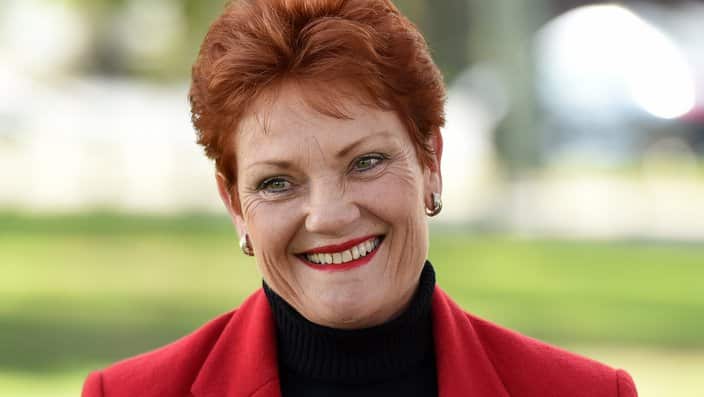
If at first you don't succeed, try and try again. Well, that seems to ring true for Pauline Hanson.
Eighteen years after she lost the Queensland seat of Oxley, the right-wing, anti-immigration campaigner is back in Federal Parliament.
After serving one term in Parliament, the former fish and chip shop owner has been parodied and pilloried, sent to prison for electoral fraud and written off countless times by the political class.
Now, she is on track to win up to four Senate seats.
Her party's policies are to stop all further Muslim immigration, including the intake of refugees; ban the burqa and any other full face coverings in public places; hold an inquiry or Royal Commission into Islam to "determine if it is a religion or political ideology" and install surveillance cameras inside mosques and Muslim schools.
3. Brian Burston
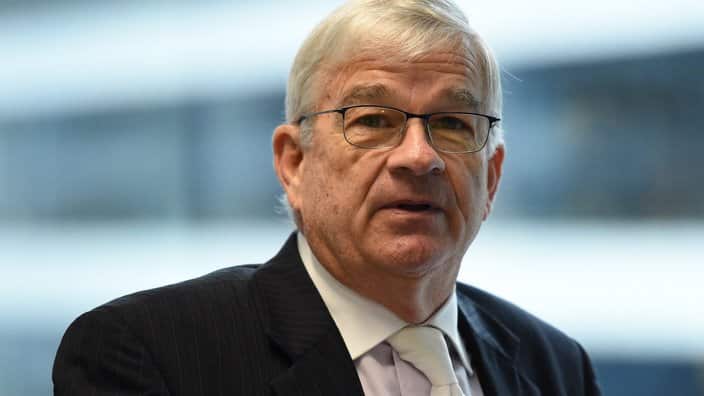
Brian Burston joined One Nation soon after the party was founded.
He is a former national director of One Nation and an ex-deputy mayor of Cessnock.
Senator-Elect Burston was sacked by Pauline Hanson and party co-founder David Oldfield after a dispute in October 2000.
4. Rod Culleton
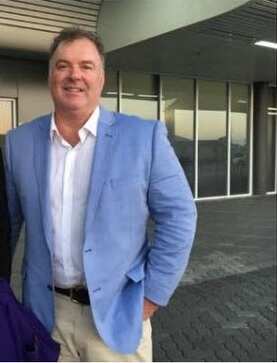
The West Australian secured the 11th spot in the state's Senate race, but there are questions over whether he will be able to take his seat.
Mr Culleton may be deemed ineligible because of a conviction in New South Wales, and a pending trial in Perth over the alleged theft of a hire car.
He said he was convicted in NSW in his absence, because he could not leave WA, as he was on bail.
5. Malcolm Roberts
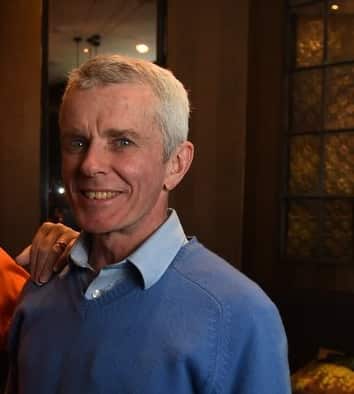
Mr Roberts is a prominent climate change sceptic with the Galileo Movement.
The Queenslander spent the early years of his life in India before working in the coal industry.
In a statement, Mr Roberts said he "spent the last nine years working pro bono checking alarmist climate claims made by academics".
6. Nick Xenophon
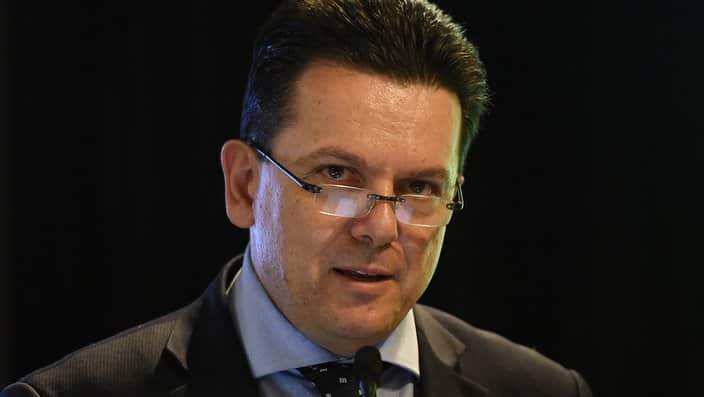
The X-Factor is strong in South Australia, and it is likely popular senator Nick Xenophon will be returned to Capital Hill with two bench buddies — his campaign manager Stirling Griff and staffer Sky Kakoschke-Moore.
Senator Xenophon is no stranger to the national spotlight, but his field of candidates across the House of Representatives and Senate were widely criticised for being unknown entities, riding on the coattails of a man who has successfully campaigned that neither the Liberal party or Labor have the interests of South Australia at heart.
His previous attempts to expand his political posse have not ended well.
Senator Xenophon has long called for greater accountability in government and better water security in the Murray Darling basin — particularly for downstream communities in his home state.
7. Stirling Griff
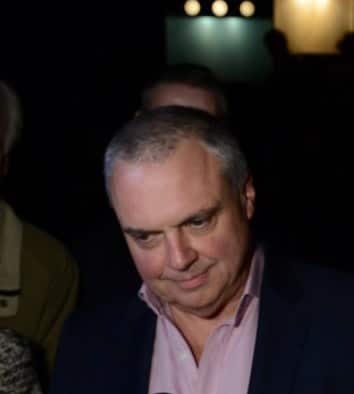
Stirling Griff has spent many years working with Senator Xenophon as his campaign manager, and only narrowly missed out on being elected on his ticket at the 2013 election.
A former banker, marketing executive and chief executive of the Retail Traders Association (now the Australian Retailers Association), Mr Griff was the key target of Labor attacks on the NXT over penalty rates.
He was asked if he would support Coalition legislation to scrap penalty rates for small businesses, and he replied he would consider it.
8. Skye Kakoschke-Moore
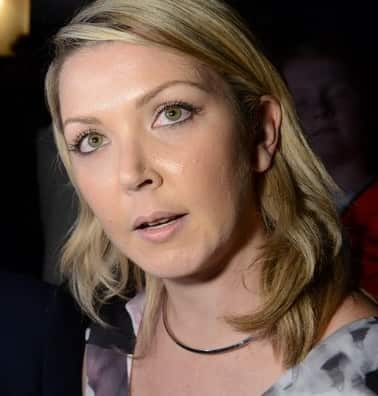
Skye Kakoschke-Moore started working for Nick Xenophon in 2010 as an electorate officer and eventually became his legislation and policy adviser.
The law and economics graduate was born in Darwin, moved to Oman with her family as a child and settled in Adelaide in 2005.
She also has a strong interest in migration policy having worked for the Australian Refugee Association while studying at university.
9. Derryn Hinch
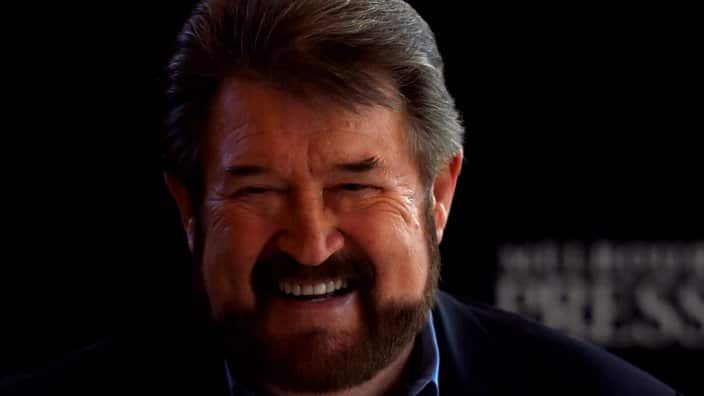
The veteran broadcaster will be a political neophyte in the Senate, making it difficult to predict exactly how he'll vote on some issues.
Mr Hinch — who previously served time in jail for breaching court suppression orders and publishing details about murderers and sex offenders — has vowed to push for a national public register listing convicted paedophiles.
He could be more receptive to the Coalition's agenda than some of his fellow crossbenchers.
He has told the Australian newspaper he supports the Coalition's policy to cut the company tax rate "in principle" — although he wants to see the detail of the legislation.
But he is more sceptical about the Coalition's plan to re-establish the building industry watchdog, the Australian Building and Construction Commission. He has also raised some concerns about the Coalition's proposed changes to superannuation.
10. David Leyonhjelm
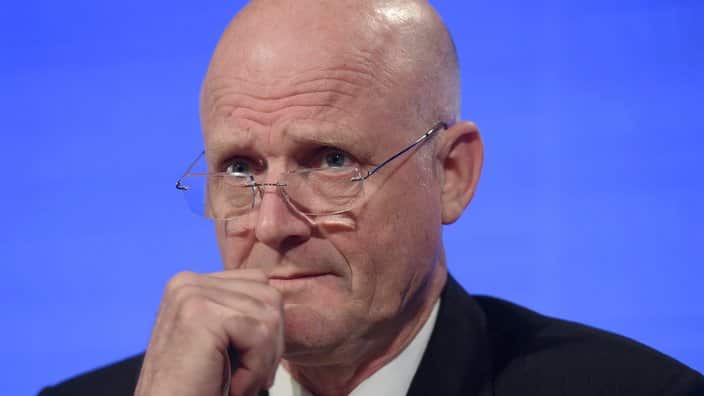
David Leyonhjelm rose to prominence after securing a Senate seat at the 2013 election, as one of the key crossbenchers Tony Abbott needed to woo in order to pass key pieces of legislation.
The libertarian is strongly against big government, and launched a "nanny state" Senate inquiry last term, which investigated everything from Sydney's lock-out laws to the compulsory wearing of helmets on bikes.
He was one of the most vocal critics of the Government's proposed changes to the Senate voting system, which would have made it harder for minor parties such as the Liberal Democrats to be elected.
11. Bob Day
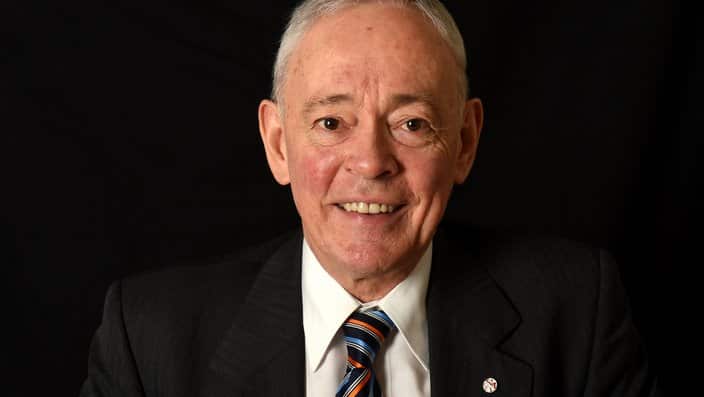
A former Liberal party member and candidate, Bob Day AO was elected as a Family First party Senator for South Australia in 2013. He was one of the fiercest opponents of the Coalition's proposed changes to Senate voting laws, even attempting to challenge the legislation in the High Court during the election campaign.