Highlights
- Nine public housing towers in North Melbourne and Flemington have been placed in hard lockdown since 4 July as the state health department says there's a high risk of COVID-19 transmission
- The Victorian state government has faced criticism over the unprecedented step as some of the public housing towers have no confirmed cases
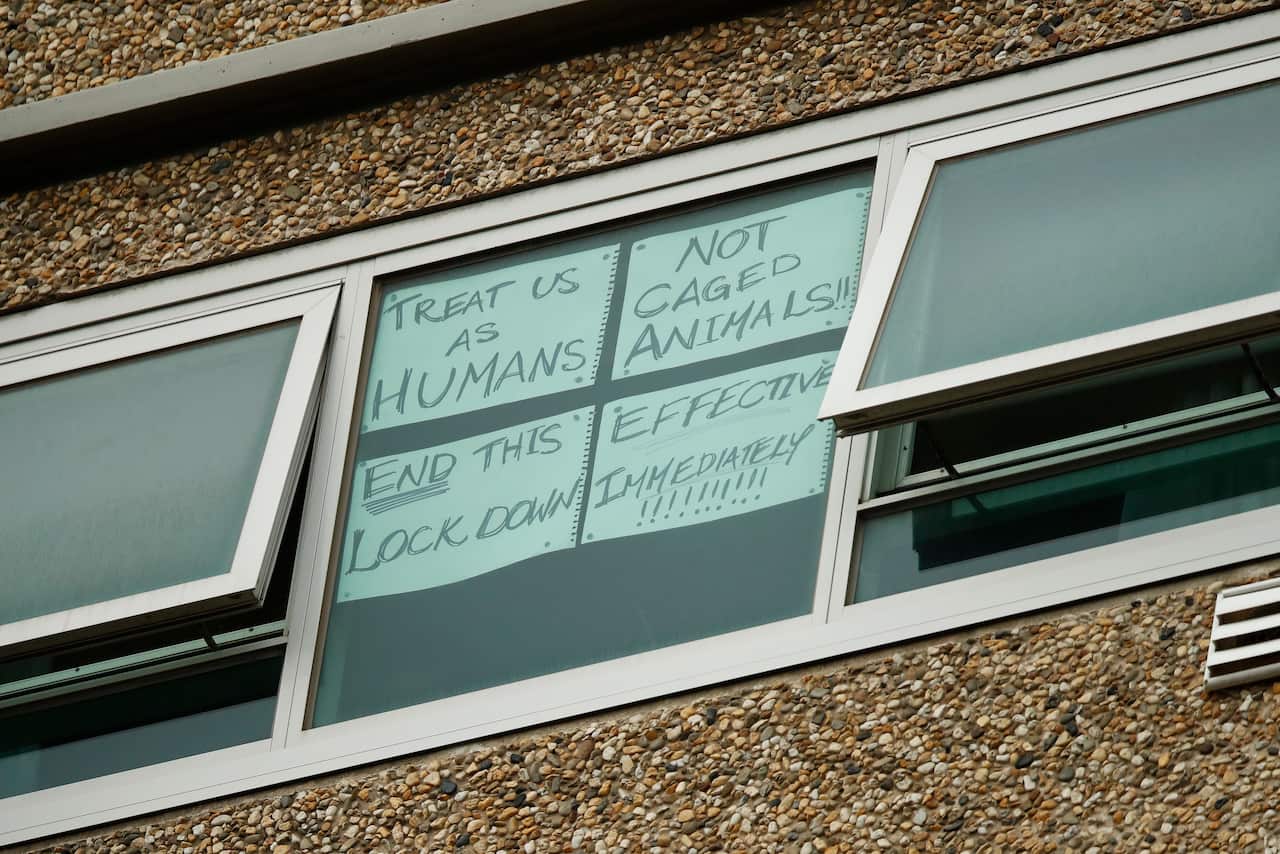
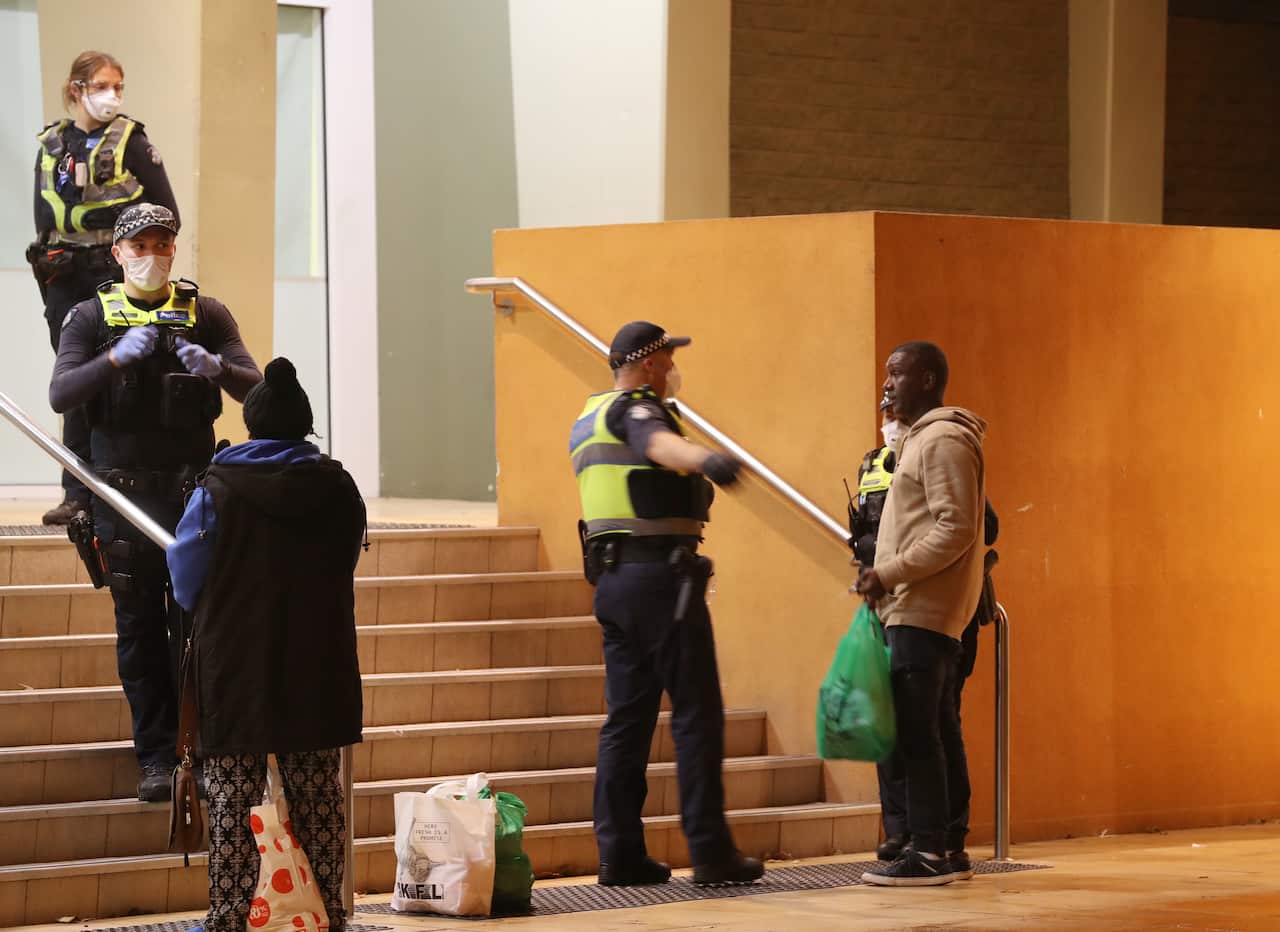
- Residents of these towers have expressed their frustration over the 'heavy' police presence and a lack of communication
Mohamed Yusuf who is a resident of a North Melbourne public housing tower, says he understands the need for the lockdown for health reasons but says the suddenness of the step meant that the residents were unprepared, particularly the elderly.
“There are a lot of elderly residents on my floor, many of them are single. They are scared, they don’t even look out the window. One lady approached me crying and I consoled her,” he told SBS Somali.
He says he has been helping three elderly neighbours -- all single women with no family or friends around.
"I provided them with food packages from the local community-run food and essential service just meters away from the North Melbourne Towers. One of the elderly ladies suffered a panic attack and needed medicine," Mr Yusuf says.
“We support the government. We all want to go back to our lives. We all want to fight the virus. But is detaining us like this necessary.”
While there are some towers with no confirmed cases of coronavirus infection, the state health department says number of cases has risen to 53 and an additional 10 cases recorded before are also linked to the towers.
Premier Daniel Andrews said on Monday that the number of COVID-19 cases in these nine towers is expected to rise. Mr Yusuf is worried that the lockdown could be extended because of this.
“If that is the case, I don’t know how the fragile residents would cope with that.”
The government, other than a one-off $1,500 and $750 hardship payment, is offering food supplies, access to health care, family and mental health support as well as alcohol and other drugs support.
However, Guled, another resident at the public housing estate, says he is already hearing of people running out food and other essential items.
Like Mohmed, he too understands the health reason behind the lockdown and welcomes the state government’s financial support, but questions the use of that money if they aren’t allowed to go out to even buy even food.
“How would people survive if they are left in this situation where they can’t buy anything and there is no information given that the majority of the residents don’t speak English, many don’t even have television,” he says.
According to the DHHS, nine public housing towers in North Melbourne and Flemington have been put under hard lockdown due to the high risk of COVID-19.
“The risk of spread of coronavirus at these addresses is extremely high and requires these very significant measures to protect all residents,” says the state health department.
The Victorian state government has assured the residents of culturally appropriate services for the residents and is arranging for interpreters to deliver information to those who do not speak English.
One of the biggest communities represented in the housing estate is the Somali speakers.
Xamdi Ali is a community worker and aspiring politician. He doesn’t live in the impacted towers but works with the Department of Health and Human Services in Carlton and North Melbourne.
He says a lack of staff from the affected communities in the local DHHS offices has contributed to the lack of information and coordination.
“There is no direct relation between the local DHHS office and the communities they serve,” he says.
The “hard lockdown” means the residents of these public housing towers are not allowed to go in or out of the building, unlike other suburbs whose residents can go out for four reasons: work or education, exercise, medical appointments and buying essential items.
A lack of communication and the police presence outside the housing towers are a common cause of anger and frustration.
Salaad, another resident, described the situation as “draconian” as he says the police refused to allow him to go out to buy milk from a convenience store just outside the building.“Why are the people in these towers pressured so much that police has been put on them and why weren’t we given at least five hours to buy food and other essential items," he asks.
He says the food delivered through the police reminds him of jail system back in Africa.
Residents in affected public housing towers who need access to support and assistance should call the Housing Call Centre on 1800 961 054. If you need a translator, first call 131 450. Both services are 24/7. More information can be found here.
Readers seeking support can contact Lifeline crisis support on 13 11 14, Suicide Call Back Service on 1300 659 467 and Kids Helpline on 1800 55 1800 (for young people aged 5 to 25). More information is available at Beyond Blue.org.au and lifeline.org.au
People in Australia must stay at least 1.5 metres away from others. Check your state’s restrictions on gathering limits.
If you are experiencing cold or flu symptoms, stay home and arrange a test by calling your doctor or contact the Coronavirus Health Information Hotline on 1800 020 080.
News and information is available in 63 languages at sbs.com.au/coronavirus