


Ferran Martinez i Coma analysed the post-poll scenario after Spain’s recent election, where the socialists led by Pedro Sanchez will now need to form alliances to govern the nation.
Vox is a recently formed Spanish political party with an ultranationalist, anti-immigration and anti-feminist platform. In the recent Spanish election, Vox collected more than 10 per cent of votes and the party has managed to enter the congress with 24 seats.
"We calmly tell Spain that Vox has come to stay," claimed the party’s leader, Santiago Abascal, despite Vox not achieving the higher number of votes he had expected. The election’s biggest loser was the conservative Party Popular (PP), which lost more than half its seats, only claiming 66 places in the congress.
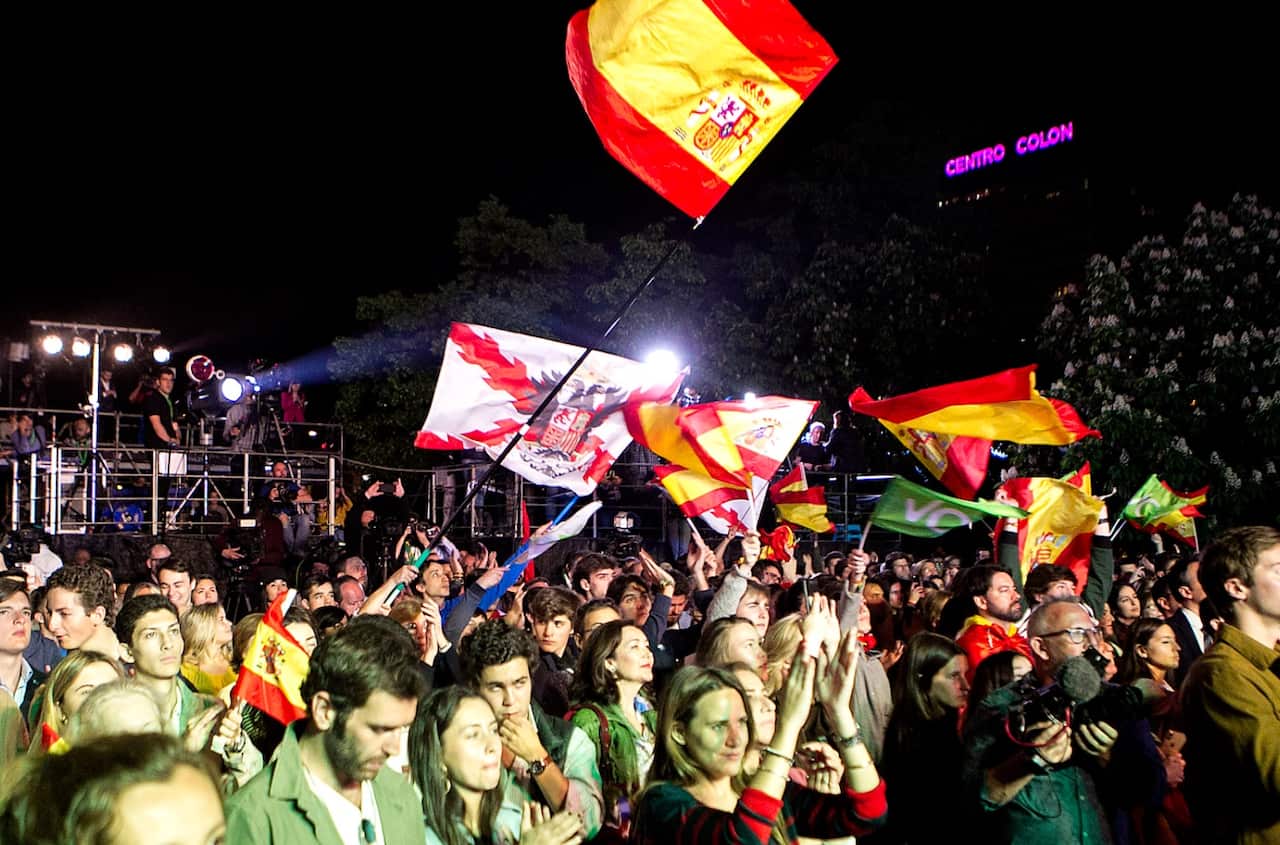
"We have to bear in mind that it [Vox] is a novelty in Spain, where parties such as this did not exist or had been silenced previously,” says Martínez i Coma, contemplating the possibility that Vox’s presence in the Spanish Congress could provoke radicalisation of political speech and agendas.
While Vox has had some success based on the results achieved, the Spanish political scientist says that "with its rhetoric of reconquest, of being invaded, etcetera, it cannot go very far."
"We must bear in mind that Vox openly represents regression on taxation issues, [it] clearly does not want to lower taxes, it wants to eliminate them. Vox wants to privatise health and education and private pensions."
"If these political proposals are not moderated, as soon as they become more public, they will reach a ceiling... Today in Spain that does not sell,” the Martinez i Coma says, pointing out that few Spaniards could imagine the elimination of public schools.
He added that Vox must develop its political plans beyond what is communicated through social networks and messages "that fit in 140 characters".
The big loser: Spain’s traditional Popular Party
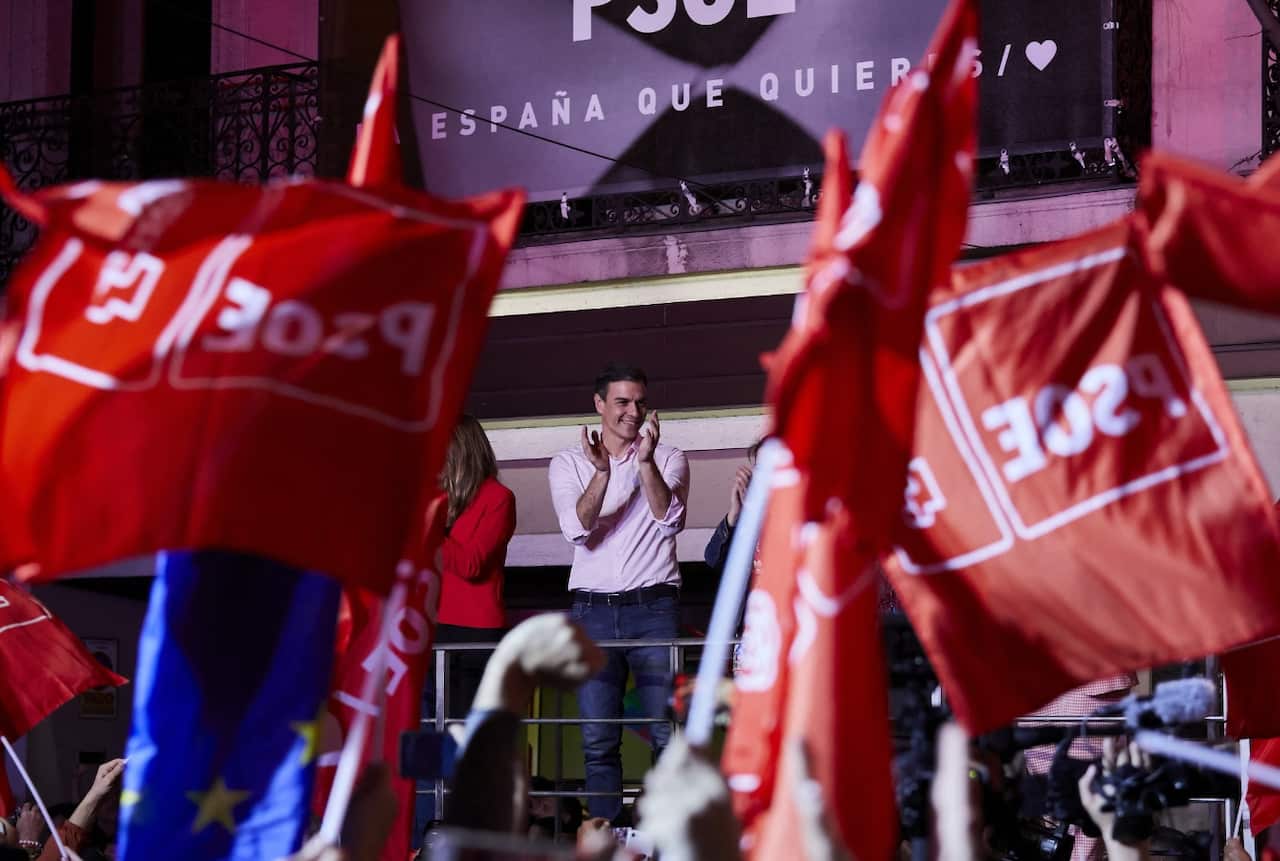
According to definitive voting data, the Spanish Socialist Worker’s Party (PSOE) led by Pedro Sanchez obtained 123 of the 350 seats of the lower house, far from an absolute majority of at least 176 seats.
Despite that figure, Spanish Deputy Prime Minister Carmen Calvo has confirmed that the PSOE will seek to govern alone, discarding a government alliance with left-wing party Unidas Podemos or with the Ciudadanos party of Albert Rivera on the right.
"If we govern with 85 seats, we can do it with 123," said Calvo.
In an alliance with the Ciudadanos party, which won 57 seats, PSOE would reach 180, but the leader of Ciudadanos has already made it clear they do not want to make a President of Sánchez.
On the other hand, if the PSOE renews an alliance with Podemos, the coalition’s seat total would be 165, 18 more seats than the three right-wing parties combined would have.
Sanchez could also add the six seats of the Catalan Nationalist Party (PNV), one from Compromís, one from the Regionalist Party of Cantabria and two from the Canary Coalition to form a majority in congress.
However Oramas, a representative of the Canary Islands party, has already stated that it will not support a government with Podemos or separatists. The sum almost guarantees Sanchez the majority total without having to form a pact with separatists.
The Popular Party (PP) under the leadership of Pablo Casado was the biggest loser of the Spanish election after obtaining only 66 seats despite an aggressive campaign seeking to stop votes bleeding to the Vox or Ciudadanos parties.
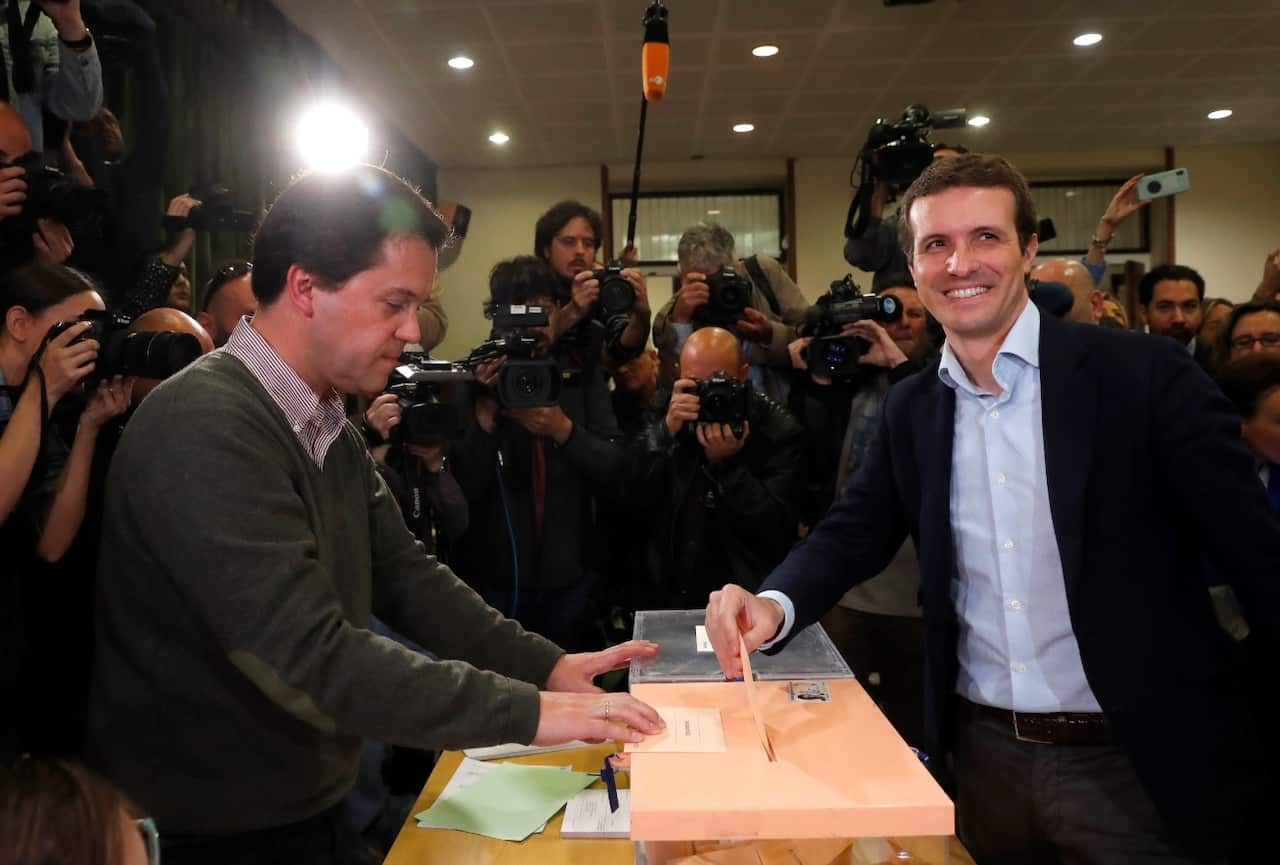
Ex-Prime Minister and previous PP leader Mariano Rajoy was dismissed by a motion of censorship by Socialists in 2018, after it was found that the party benefited for years of illegal accounting. Known as the ‘Gürtel plot’, the wide corruption case condemned the PP in the eyes of many voters.
Sponsored by the former Spanish President José María Aznar (1996-2004), Casado was controversial on abortion and euthanasia issues and was widely criticised on his proposal to intervene in the autonomy of the regions and Catalan public media, among other issues.
"The PP is the main conservative party and has lost its centrist position," says Martinez i Coma, stressing that with Casado as leader, "the party has moved to the right."
"The right has fragmented," says Martinez i Coma, noting that this division has helped Spanish socialists.