


Wollongong is a coastal city, south of Sydney, in the state of New South Wales (NSW), with just over 300,000 inhabitants.
It's spread out just enough so that the journeys to and from as well as around the University of Wollongong require transportation. Three Latin American students, Carolina Badillo, Juliana Peloche and Luciano Moraes, have come up with a perfect solution – loaning out recycled bicycles o migrant students.
So far, 24 bicycles have been delivered, most of them to women, to facilitate transportation as well as provide a source of exercise and enjoyment.
Highlights:
- Three Latin Americans coordinate the University of Wollongong Cycling Club, which offers secondhand bikes on loan.
- The NSW government is sponsoring the project as a prelude to the 2022 UCI Road World Championships in September.
- The project aims to promote education among vehicle drivers and pedestrians about sharing roadways more effectively and safely with cyclists.
"Many of the applicants come from different continents," Ms Badillo, a professor and PhD student at the University of Wollongong, said.
She told SBS Spanish that the UOW Cycling Club had been created to "bring together the university's cycling community and provide support and encouragement for people who wish to ride a bike as a means of transport."
Some are here for a year, for an exchange, others for the time it takes to complete an entire master's degree so we have a wide range of nationalities and age groups.
Ms Badillo explained that the project was funded by the NSW government, as a preamble to the 2022 UCI Road World Championships international cycling competition, which will be held in Wollongong in September this year.
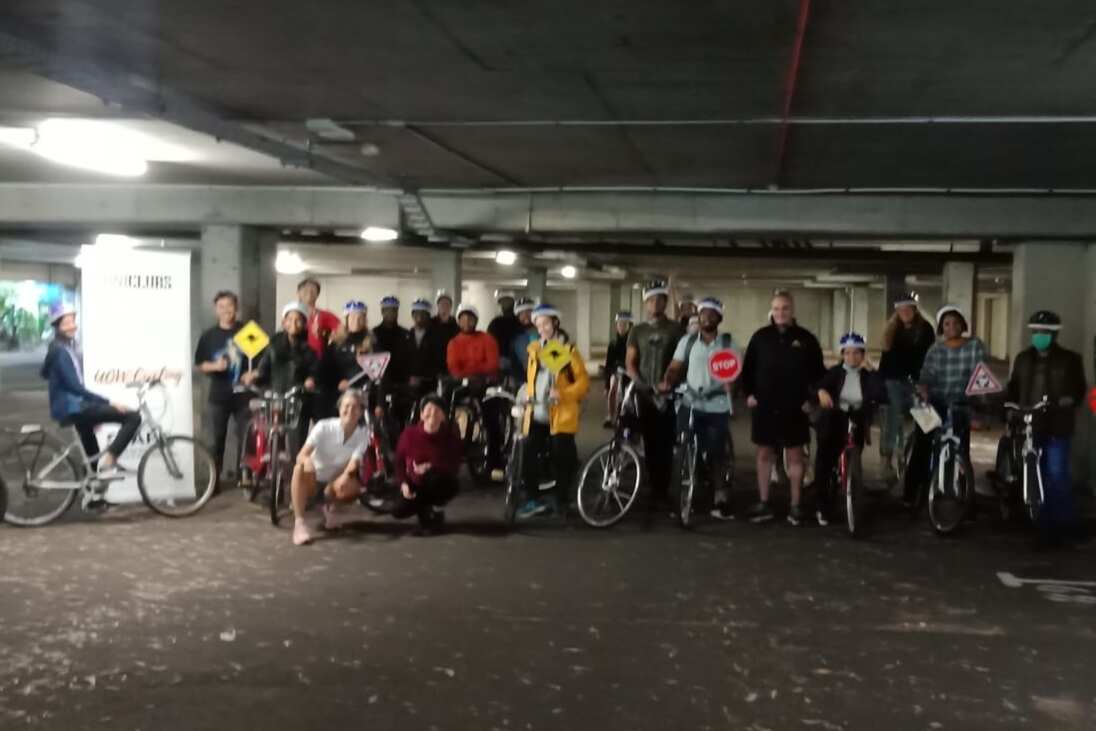
We have the label of 'Bicycle City'," Ms Badillo, who volunteered at the club, said.
"We put our time, our passion and dedication, as well as our desire to learn, to fix second-hand bikes into this project," she added.
Protecting the environment
In addition to being an accessible and more economical transport for international students, the use of bicycles was also a more sustainable means of transportation, she said.
"We work with bicycles that are second-hand donations and, with the resources we have received from the government, we buy the cables and parts that are needed to fix a second-hand bike," she said.
If you come to study in Australia for a year and you are used to riding a bicycle, what is the point of buying a bicycle that you are going to abandon and, in doing so, generate more pollution?
But the task of promoting use of bicycles comes with challenges such as the education of vehicle drivers about showing the respect and tolerance of cyclists sharing roadways, Ms Badillo said.
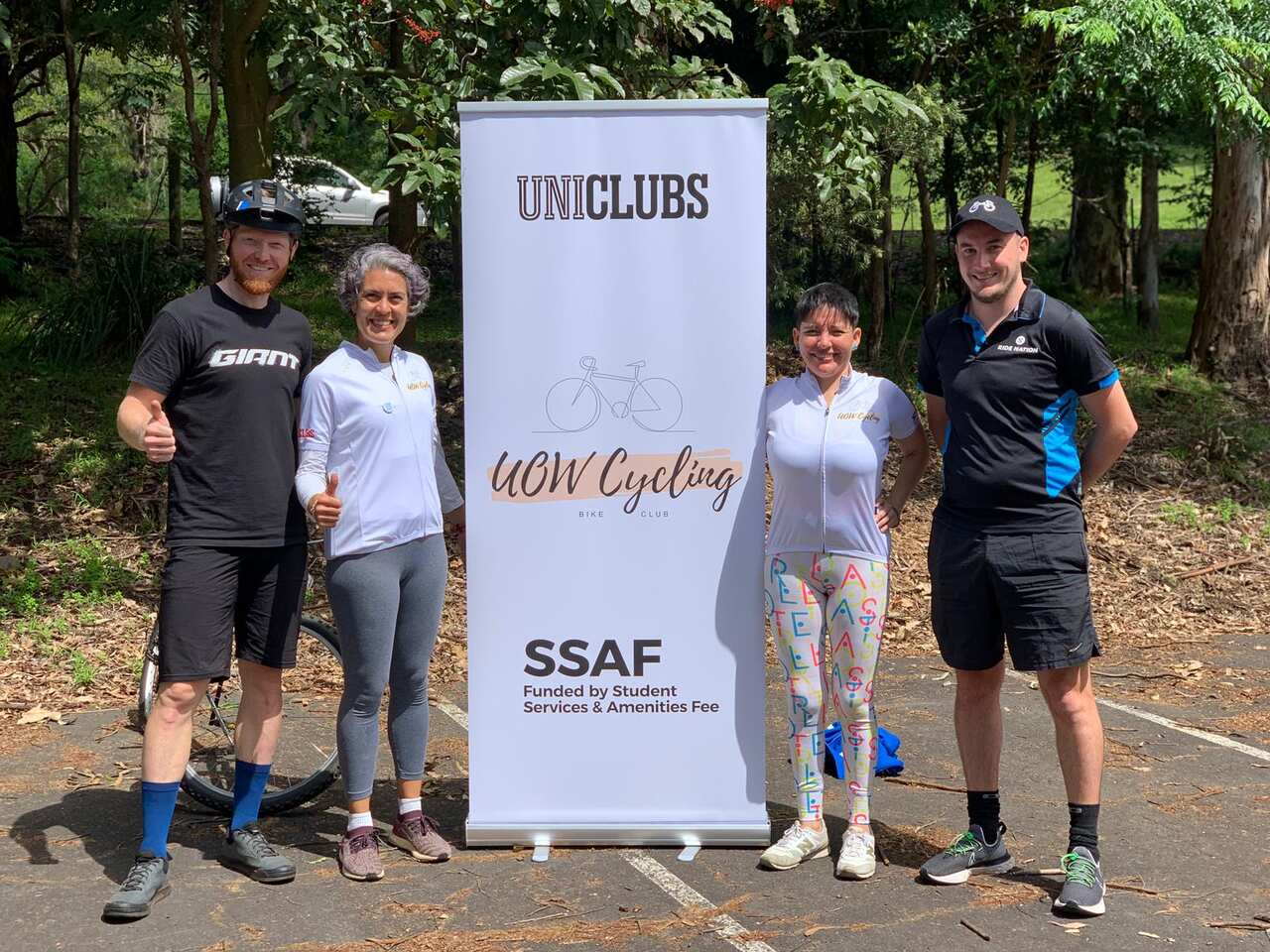
"Unfortunately, there are people who consider the construction of bicycle paths as an inappropriate use of resources," Ms Badillo, who in 2021 was hit by a vehicle while riding her bicycle, said.
"It was a very unpleasant experience," she said.
For this purpose, the promoters of the project obtained permission to signpost the "shared areas" at the university, which alerts pedestrians about the circulation of bicycles in the area.
Ms Badillo said she recognised that these educational and constructive processes would take time "...but if there are people willing to work and speak to each other, the situation can be changed."



