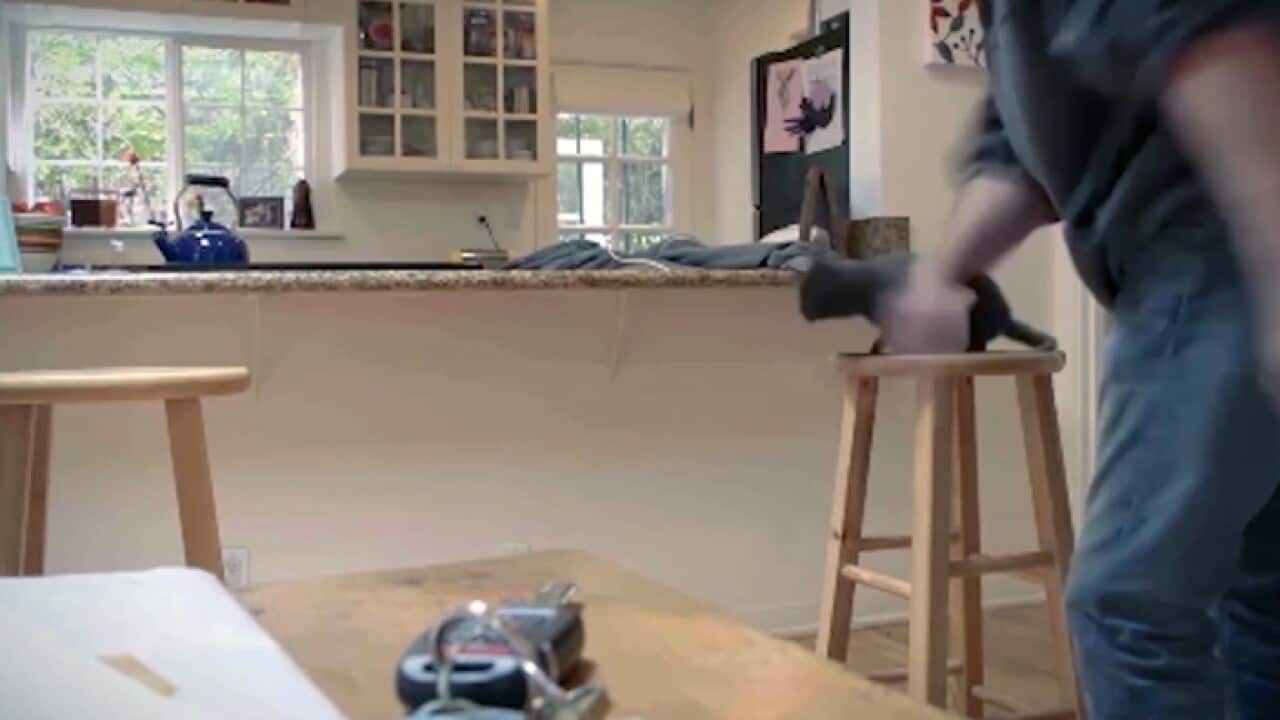
Rufus, a small grey cat, sits on a bar stool in a kitchen. A man demands in a stern voice, “Rufus, jump!”. Rufus looks at the stool a few feet away from him and cowers. The owner sighs, walks over to the cat and instructs again. “Rufus, jump,” he demands and slaps the house cat in the head. The cat doesn’t jump; he slaps the animal again. Eventually, the cat does the trick. “Once more for the camera!” the owner demands, before the cat darts away, petrified.
The organisation that calls itself People for the Ethical Treatment of Animals had an ad agency make the above video depicting the abuse of a cat — don’t fret, it was a computer-generated imaginary cat. With the video, PETA approached Mashable with a proposal. You may know that Mashable is a global, multi-platform media and entertainment company that provides tech, digital culture and entertainment content for its audience around the globe. PETA wanted Mashable to write about the video without revealing that it’s fake; once the video goes viral and the Internet users are outraged, then Mashable will be given the exclusive rights to reveal that the video is fake. PETA wanted to use the deception to put over its message that big cats are really trained just as abusively as its fake cat.
Instead of going along with PETA, Mashable wrote a story about PETA’s proposal.