

Key Points
- Fundraising for those affected by the Türkiye-Syria quakes continues in Australia.
- Melbourne’s Princess Hill Secondary College raised more than $10,000 for the cause in May.
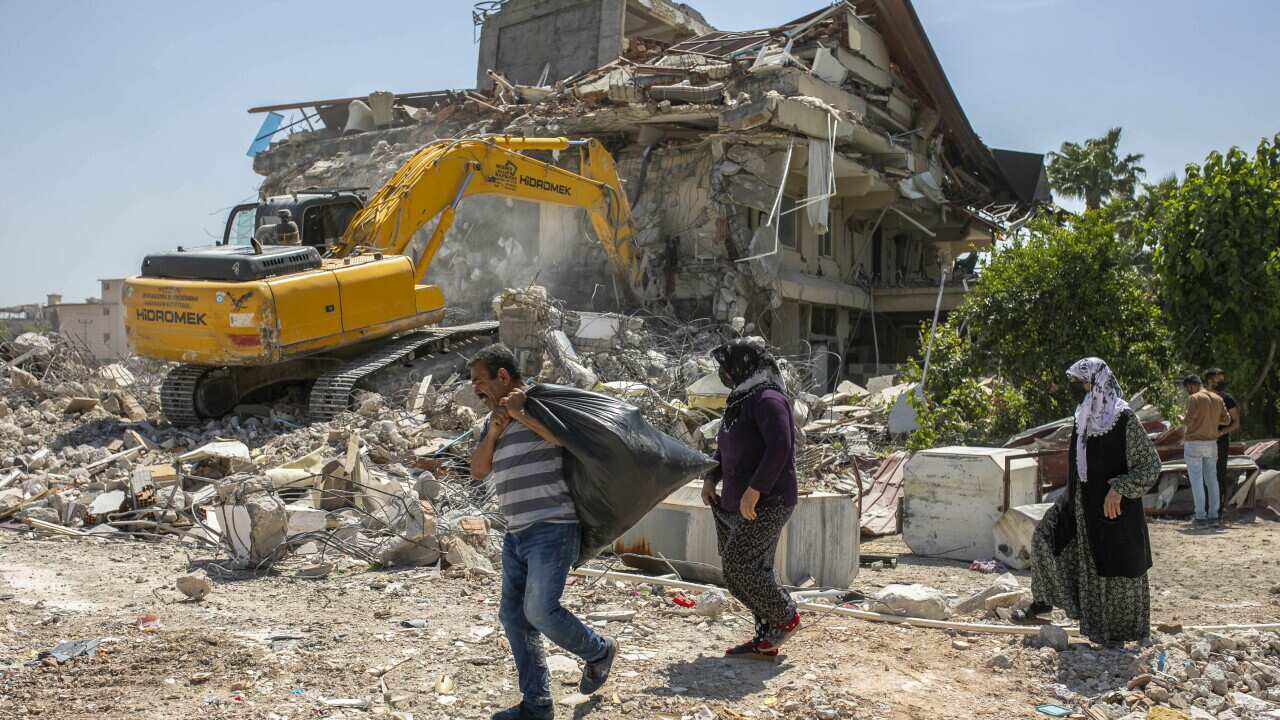
- More than 58,000 people have died as a result of the quakes, while millions remain displaced.
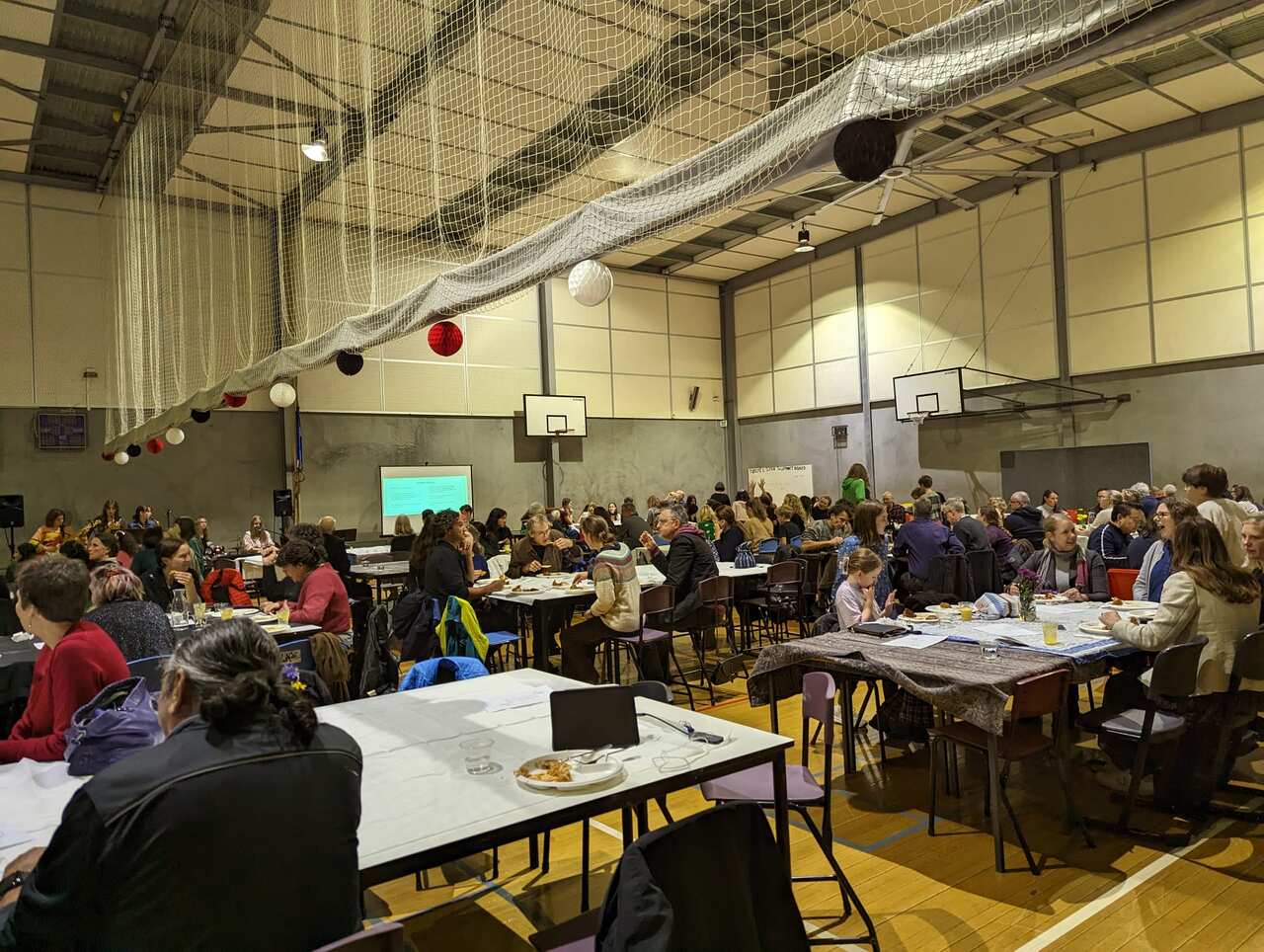
At Melbourne’s Princess Hill Secondary College (PHSC), student Iggy Gorman-Andrews auctioned off a dinner voucher for two for a sum of $550.
Her efforts were part of a fundraiser held at the school in May, to collect donations for those suffering following the earthquakes that devastated parts of south-east Türkiye and northern Syria in February.
All up, the Türkiye and Syria Earthquake Relief Fundraiser raised over $10,000 for the cause.
The event held in the school gym was organised more than three months after the quakes struct, at a time when the pace of international media coverage has slowed down, though also as survivors remained in dire straits in both countries.
The confirmed death toll from the quakes - which struck on February 6 - has surpassed 58,000 people, while millions remain displaced.
According to the United Nations, up to 210 million tonnes of rubble will need to be cleared in Türkiye alone and the estimated area of debris is equivalent to an area 10km by 10km.
The destruction has left around 1.5 million people homeless in that country and will require the construction of 500,000 new housing units.
PHSC student council president Rolanda Lenffer described the impact that the initial news of the quakes had.
I don’t know anyone who lives in Türkiye, but as a person imagining something like that happened to my own family, it was very upsetting.Rolanda Lenffer
“When there’s a big natural disaster or conflict in the world, a lot of the time, you’re like, ‘I really want to do something to help this, but I’m not sure how'. This was a way for us.
“We felt like we were making a difference,” she told SBS Turkish.
Rose O’Keeffe, 15, was one of the fundraiser organisers.
She said the effects of the quakes were still being felt, especially by community members from Türkiye and Syria who live close to the school.
“I think a lot of people think these things are so far away from them, but it affects people directly within our community, especially Princess Hill.
We have lots of Turkish and Syrian families that live here. We really wanted to show our support and solidarity to them.Rose O’Keeffe
Alex Mathieson, director of International Programs at the Australian Red Cross said she was "blown away" by the fundraiser that brought the community together.
"At the end of the auctions, everyone really got into it and wanted to support the work and the support the people affected by the earthquake," she said.
Restauranteur and chef Jessi Singh is renowned for his casual Indian diners in Melbourne, Sydney, Adelaide and New York.
The parent of a student at PHSC, he catered to 300 guests at the fundraising event and based the menu on the cause.
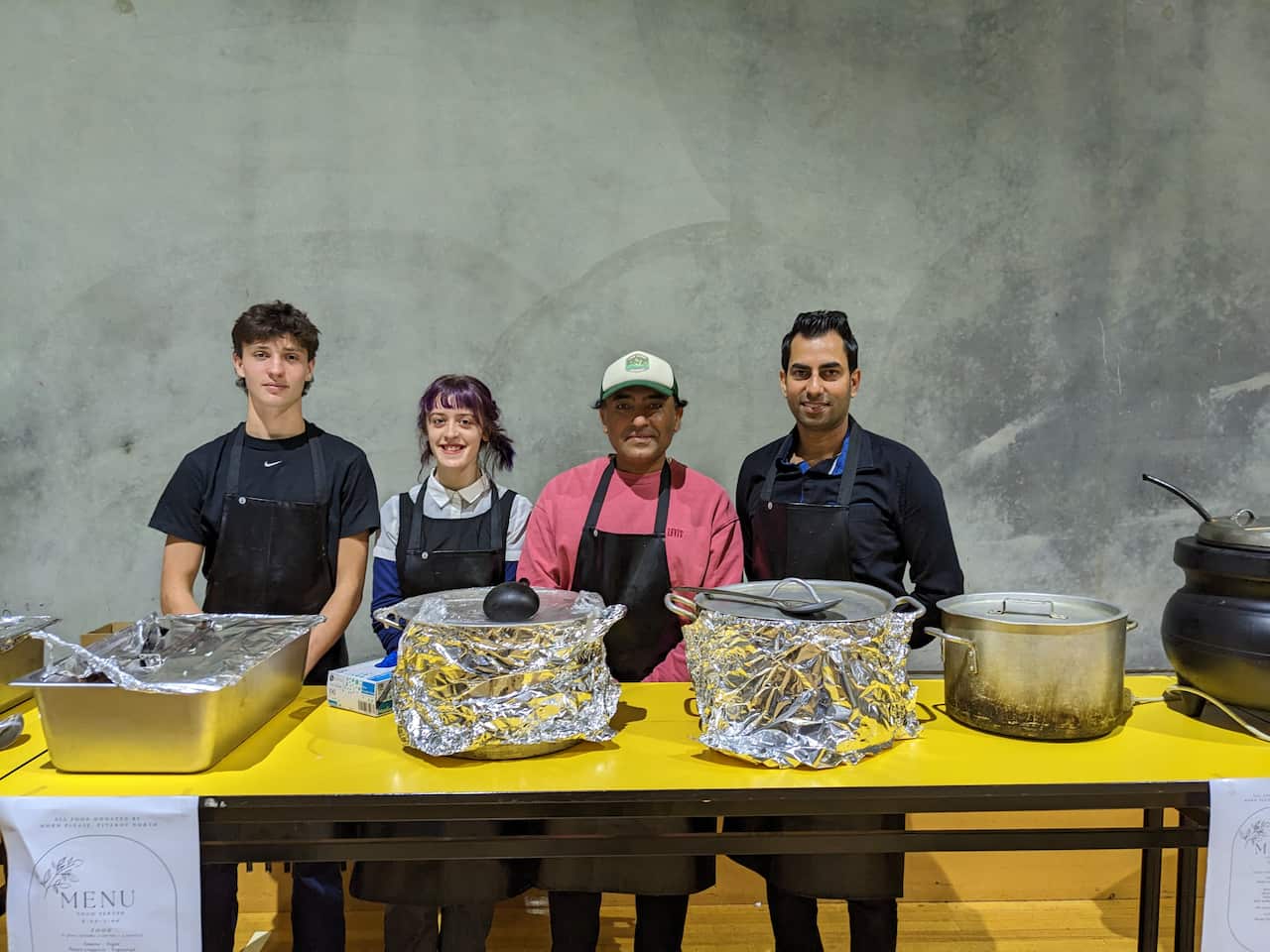
“We chose to serve chana masala and dal. The ingredients for those dishes, such as chickpeas and lentils, come from that part of the world – India, Turkey, Iraq… [that] was another reason to dedicate a dish for a good cause,” he said.
Preparing and serving up free meals was one of Mr Singh’s volunteering efforts following the earthquakes, having formed a separate donation drive the day after the tragedy.
“I knew by the next morning how bad it was going to be," he said.
I have been volunteering all my life whenever this kind of thing happens. So many people get affected, you better raise money ASAP. Money needs to be sent right away.Jessi Singh
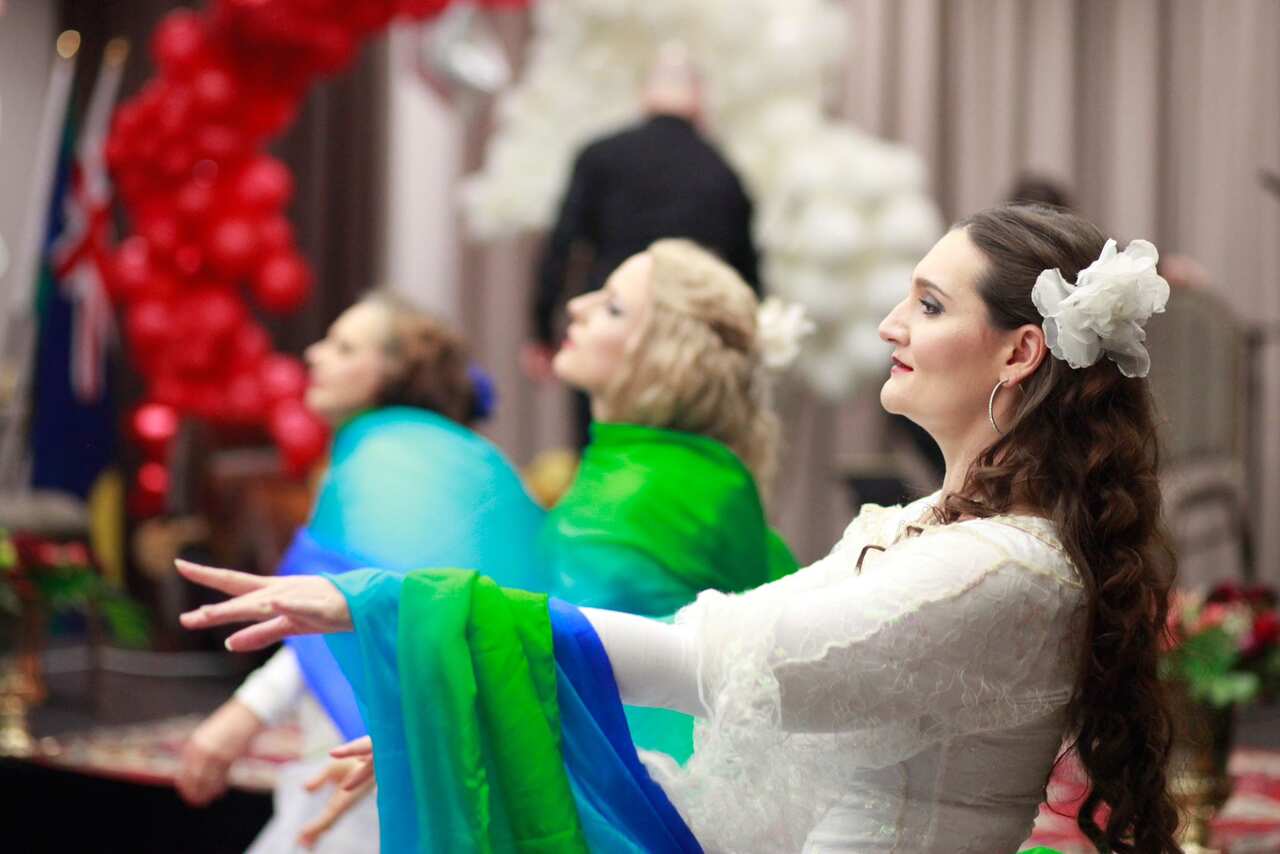
Holding Hands for Türkiye was a fundraising event held in Perth on 29 April.
Organised by the not-for-profit organisation Women of World Stage WOWS Inc, the event featured performers from various cultural backgrounds.
Australians acknowledge the need to continue helping Türkiye and Syria despite the months that have passed, WOWs President Filiz Shah said.
Australians know one-off help is not enough.Filiz Shah
“Looking at the damage and how long it’ll take to get back to normal, requires more help and more work rather than moving on and forgetting,” she said.
Ms Shah said the Western Australian community was "happily involved with volunteering” for this cause.
"Especially, people of migrant backgrounds were very keen [to help] and sympathetic to the situation that the Turkish people are in.
"They play an active role in contributing to the event as volunteers, performers, sponsors and also simply buying the tickets as the audience."
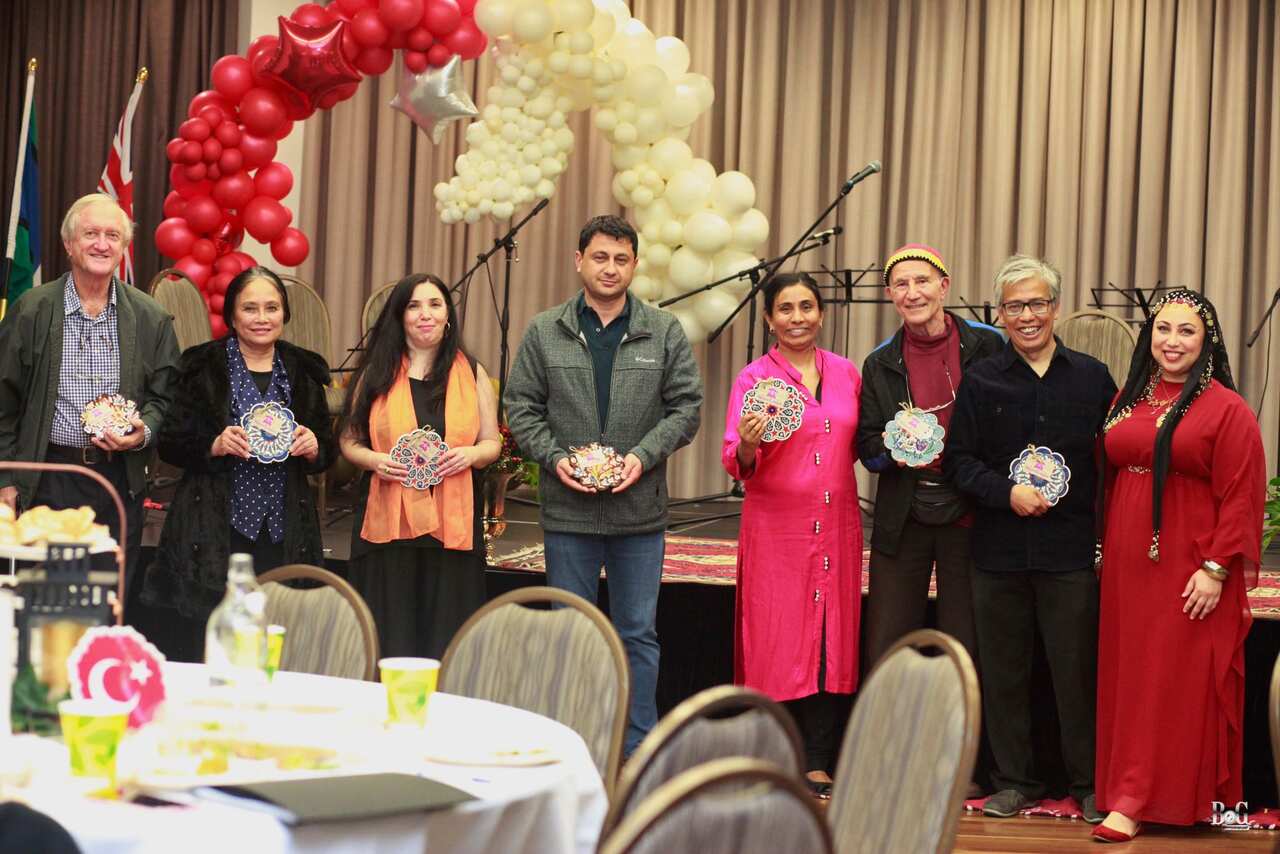
Turkish Volunteers, a group based in Dubai, organised a multi-nation run-and-walk event across the world, including Australia.
The ‘Follow the Sun’ event was organised in line with the Help the Child Amputees of Türkiye Earthquake programme to support children who have lost limbs due to the earthquake.
The event was organised across 12 countries and in 20 cities, where volunteers ran across different time zones, following the sun.
The event started in Sydney and finished in Vancouver.
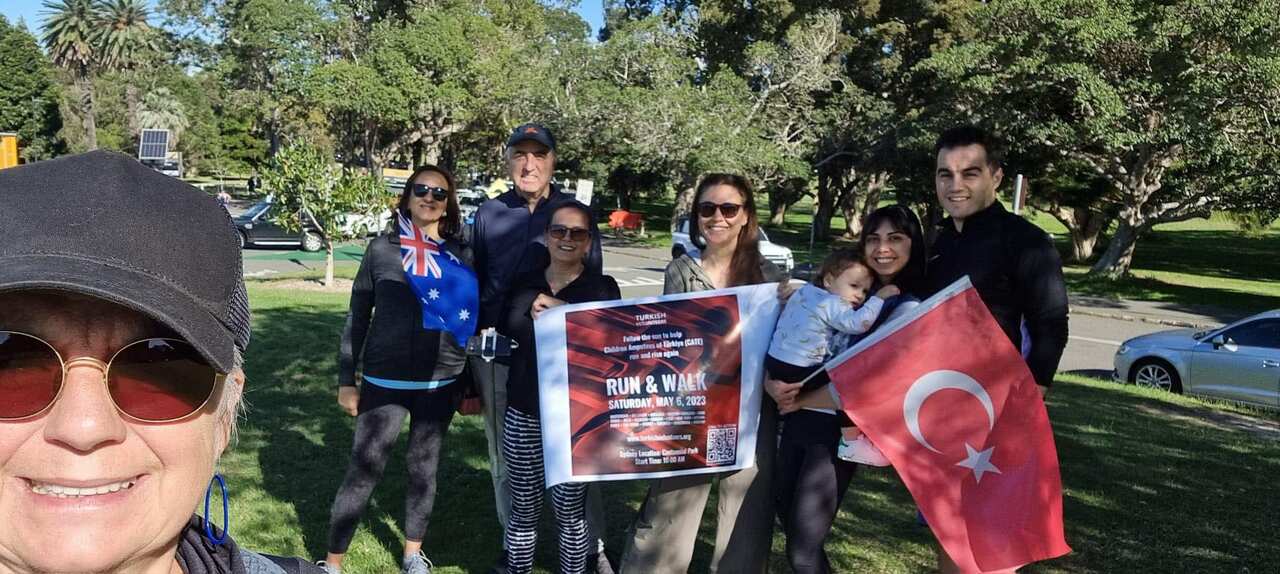
Merzuka Bahtigur was among those who kickstarted the run at Centennial Park in Sydney on 6 May.
“After the earthquake, many children lost their limbs.
“With this event, we wanted to draw attention to their situation and show that we have not forgotten them.
“We want to ensure that donations continue through events like these,” Ms Bahtigur told SBS Turkish.
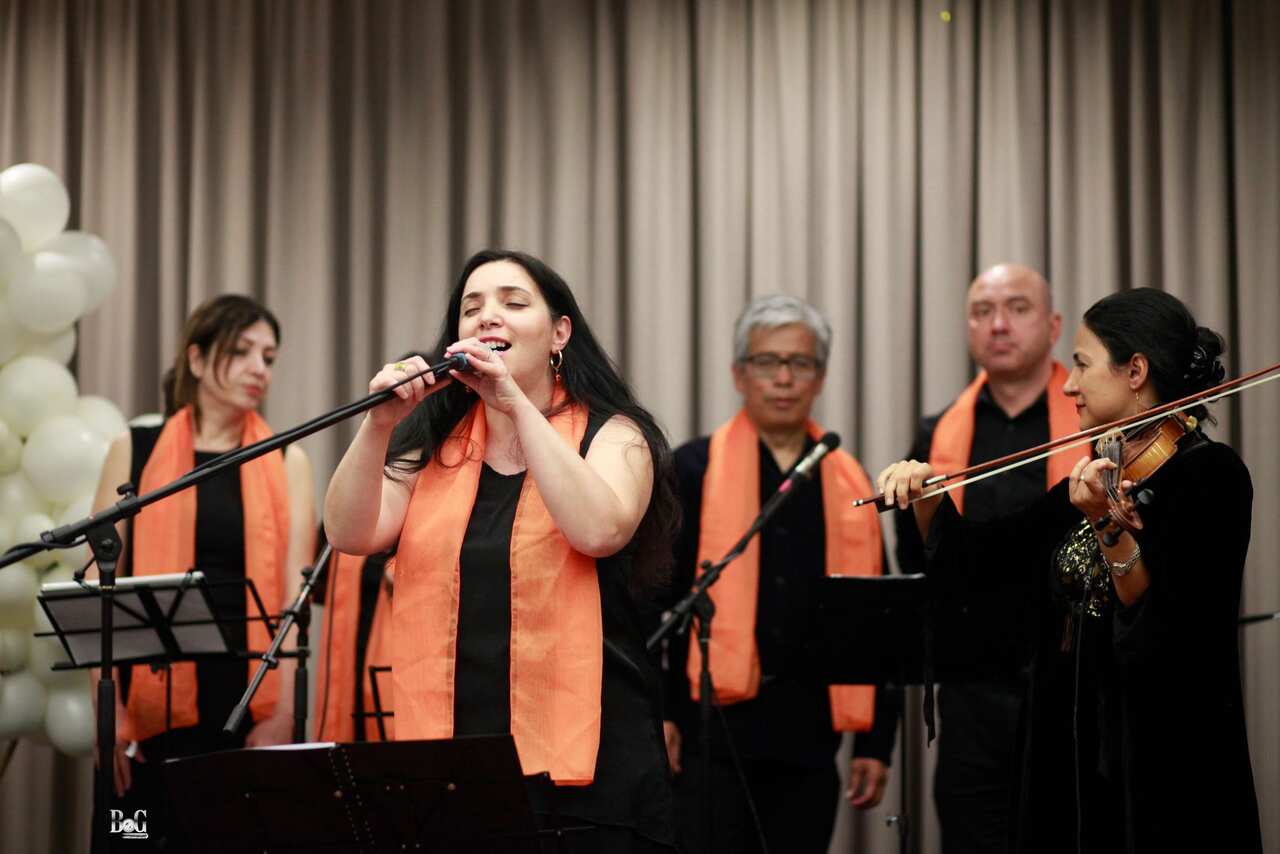
While members of the public continue their fundraising efforts, scientists weighed in on the secondary crises following the dual earthquakes which they call "the greatest threat to life".
Geologists and engineers from the University of Sydney, University of Queensland and Australian National University held a conference on 10 May to discuss the aftermath of the quakes and the growing human impact.
“As communities start to recover, many remain in a precarious state. Secondary crises continue to present significant dangers to those who have been displaced,” said Dr Aaron Opydyke, a disaster recovery expert from the University of Sydney.
The cost of the recovery, according to the latest estimates by the United Nations, exceeded US$100 billion (AUD$150 billion).
Dr Opydyke explained that the "real challenge" often comes months after the disaster.
Continued aid and support remain vital to preventing additional loss of life and restoring the dignity of those who have lost so much.Dr Aaron Opydyke
Dr Sinan Ozaydın, a geologist from the University of Sydney, described the natural calamity as "one of the worst possible scenarios”.
"The relief effort from abroad is important for the people whose lives were damaged by the earthquake in the region to rebuild them," Dr Ozaydın said.
“According to initial reports, extensive ground liquefaction in the region was also one of the most devastating factors."