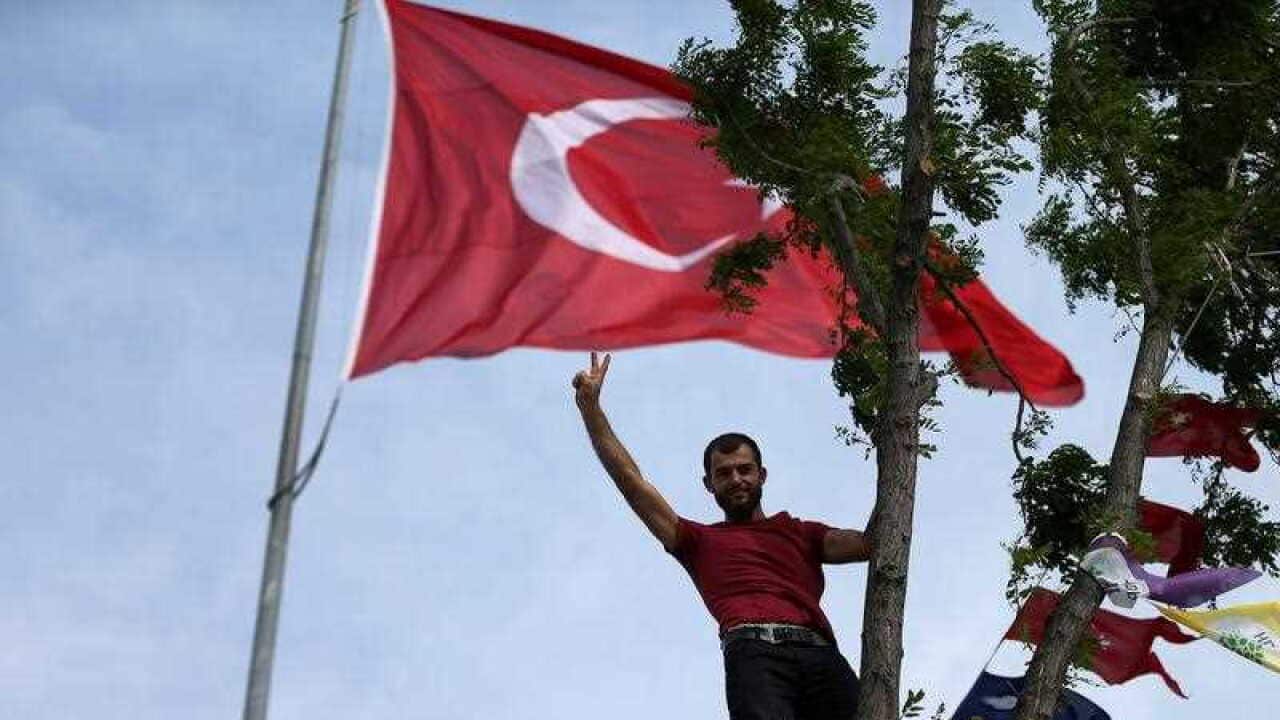
Australian Turks have already cast their votes in Turkey’s presidential and parliamentary snap elections as polls predict a tight race.
On 24 June, some 50 million voters will go to the polls. President Recep Tayyip Erdogan is seeking a second term following his 2014 win. If he fails to get an outright majority, the presidential election will go to a second round.
The outcome of the parliamentary election hangs on whether the pro-Kurdish People’s Democracy Party (HDP) receives the required 10 per cent of votes it needs to enter parliament.
HDP leader and presidential candidate Selahattin Demirtaş is fighting his campaign from jail. Many of the party’s officials, mayors and MPs, including Demirtaş, were imprisoned following the collapse of Turkey’s Kurdish peace process in 2015.
“The most pressing issue at the moment is whether the HDP reaches the 10 per cent threshold,” Istanbul-based journalist and radio producer Yavuz Oğhan told SBS Turkish.
Anti - Erdoğan camp to give HDP a hand
At the end of May polls showed the HDP on the brink of 10 percent. Oğhan suggests that supporters of the opposition social democrat People’s Republican Party (CHP) may vote tactically – and back HDP in the parliamentary election but vote for the CHP’s presidential candidate, Muharrem İnce.
However, CHP spokesperson Bülent Tezcan refuses that claim. “The CHP is not a charity organisation. We don’t support anybody else but our party,” he said.
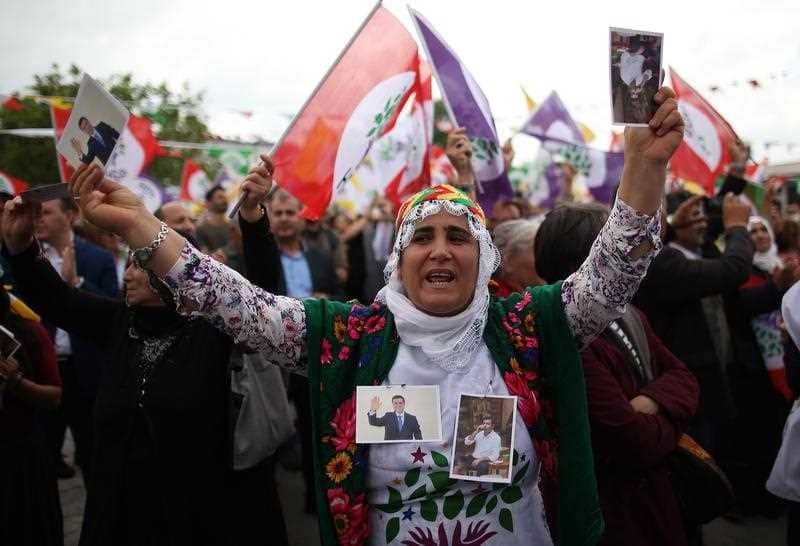
But there are other signs that some in the electorate might be prepared to vote with their heads – rather than their hearts. One of Turkey’s largest and most influential newspapers, Sözcü – popular among social democrats and known for its anti-AKP and anti-Kurd stance – recently published articles that were widely interpreted as endorsements for the HDP.
There were also signs of solidarity from CHP presidential candidate Muharrem İnce, who visited Demirtaş in prison immediately after his candidacy was announced. His wife also visited Demirtaş’ wife at her home.
“In previous elections the HDP has been criminalised by the government as an instrument of the armed Kurdish group, the PKK. But this time around, all presidential candidates, except Erdoğan, are objecting that it is unfair that Demirtaş is in prison and can’t campaign like the other candidates,” said Oğhan.
Australian Turks said “no” to Erdoğan last time
Ahead of the elections, the AKP sent two MPs, Zekeriya Birkan and İsmail Aydın, to Sydney and Melbourne for 10 days to drum up support for their party among Australia’s Turkish expatriate community.
The campaigning came on the back of the 2017 referendum to change Turkey’s constitution in which the majority of Australian Turks voted “No” (58 per cent out of 14,000 votes cast in Australia) but which President Erdoğan’s ‘Yes’ campaign narrowly won.
During his visit, Birkan said the AKP ‘lost’ the referendum in Australia because the party didn’t work hard enough to gather support for changing Turkey’s constitution. “We didn’t explain the referendum well enough to Turkish voters in Australia,” he told SBS Turkish.
With many polls predicting a close run in the elections, Birkan said: “I see some people think that 50 or 100 votes from overseas wouldn’t change anything. It is wrong: 50 to 100 votes could deliver 15 or 20 MPs to a party. I want people to understand this and go to a polling station and vote for us.”
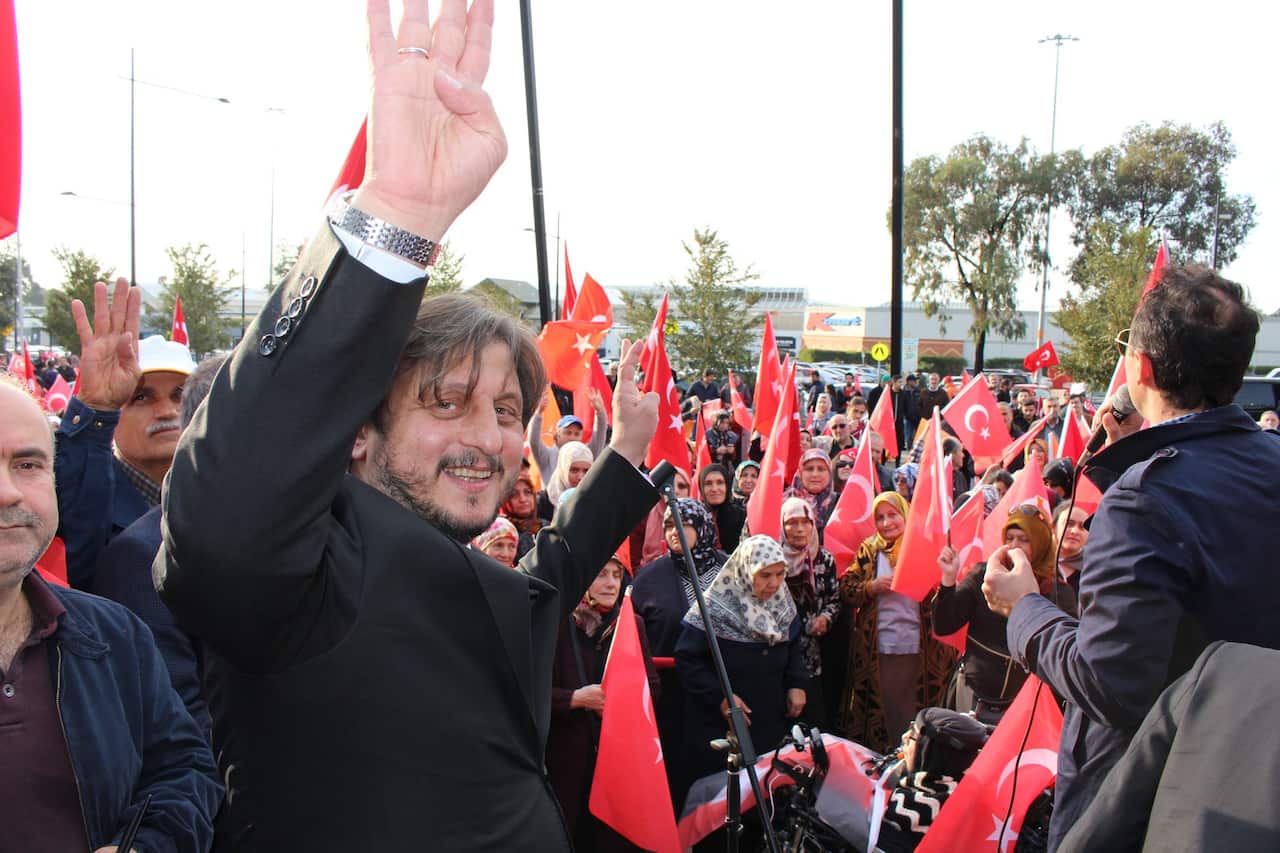
Speaking from Turkey before he flew to Australia, Birkan told newspaper Bursa Olay he was expecting 5,000 people to attend the AKP’s open-air rally in support of Erdoğan at Broadmeadows, Melbourne, on 3 June. The turn-out was far lower than he predicted.
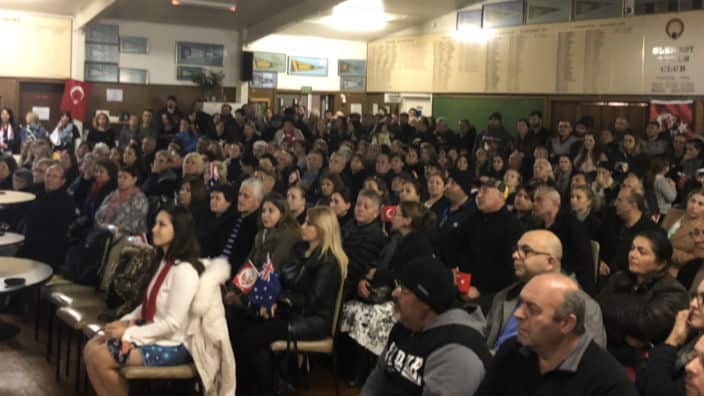
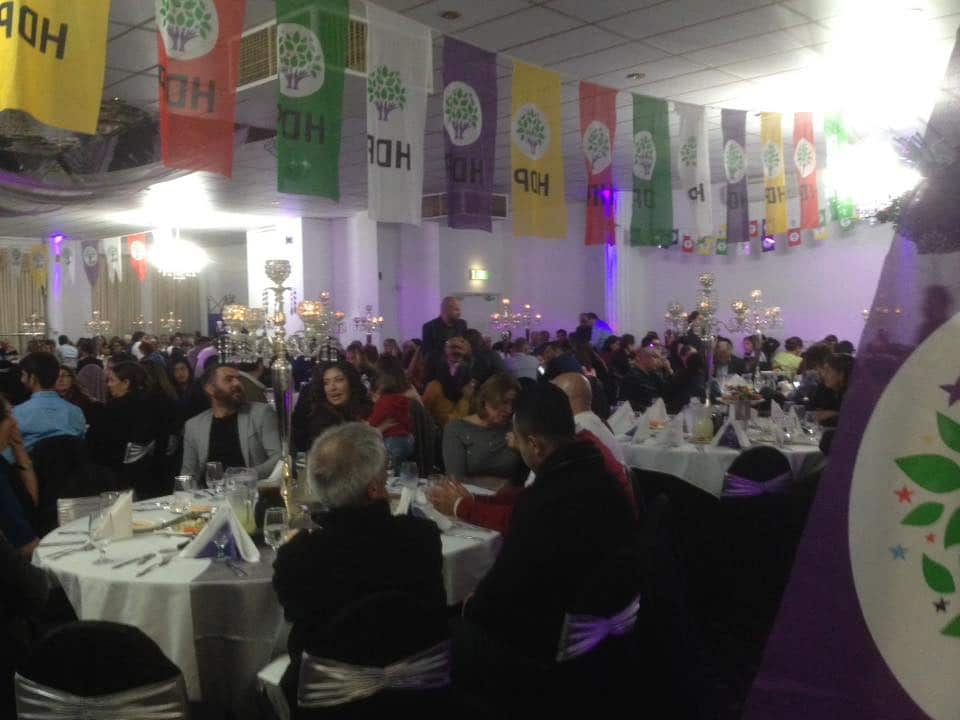
Opposition parties CHP and HDP also have election teams in Australia. Campaign activities include fundraising dinners, meetings, information sessions and bussing voters to polling stations at consulates in Melbourne and Sydney. İyi (Good) Party supporters have placed full-page ads in local Turkish-language newspapers.
More than 44,000 people in Australia are eligible to vote in Turkey’s election. Last year, 32 per cent cast votes in the constitutional referendum. More than 16,000 voted at the Turkish Consulates in Melbourne and Sydney and the Turkish Embassy in Canberra between 9 and 17 June. Their votes were sent to Turkey to be counted at the end of election day.



