Braveheart is a big, boisterous, slow-motion axe-wield of a film — a sensory barrage of mythical proportions; operatic hero worship fuelled by blood, testosterone and bright blue makeup. It’s also 23 years old and still holds up.
It’s no surprise, therefore, that the story of William Wallace as depicted by Mel Gibson doesn’t totally line up with recorded history. Gibson and his screenwriter, Randall Wallace (no relation), remained somewhat faithful to the spirit of history, but played with timelines and truths if it meant more immersive cinema. While some ardent experts may have a problem with this, it’s not like we turn to Hollywood blockbusters for an accurate history lesson. That’s why we have books… and Ken Burns.
With that in mind, we’ve compared the real William Wallace to Braveheart’s fictionalised version.
Use this as a ready reckoner when you watch Mel don the war paint when Braveheart screens on SBS Australia, Friday 23 March.
Primae Noctus? Prove it
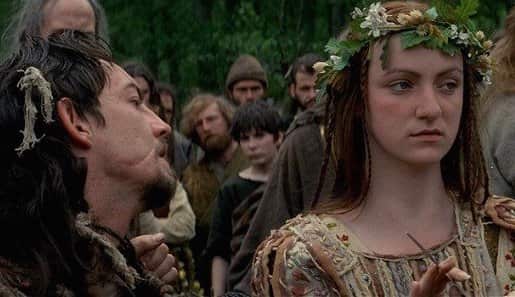
Latin for “right of the first night”, this supposed medieval right enabled a nobleman to 'deflower' a peasant woman on her wedding night... before her husband, and regardless of her own thoughts on the matter. In Braveheart, the law is exerted in the most disturbing of ways by a brutish man of means upon the young "Mrs Morrison" (Julie Austin).
While this scene made for harrowing drama, in truth, not a single reputable source can confirm jus primae noctus ever existed. Yes, the concept in some form was included in a slew of fictional works, and even in Voltaire’s Dictionnaire philosophique, but historians are adamant none of these mentions were supported by fact.
No kilt for you
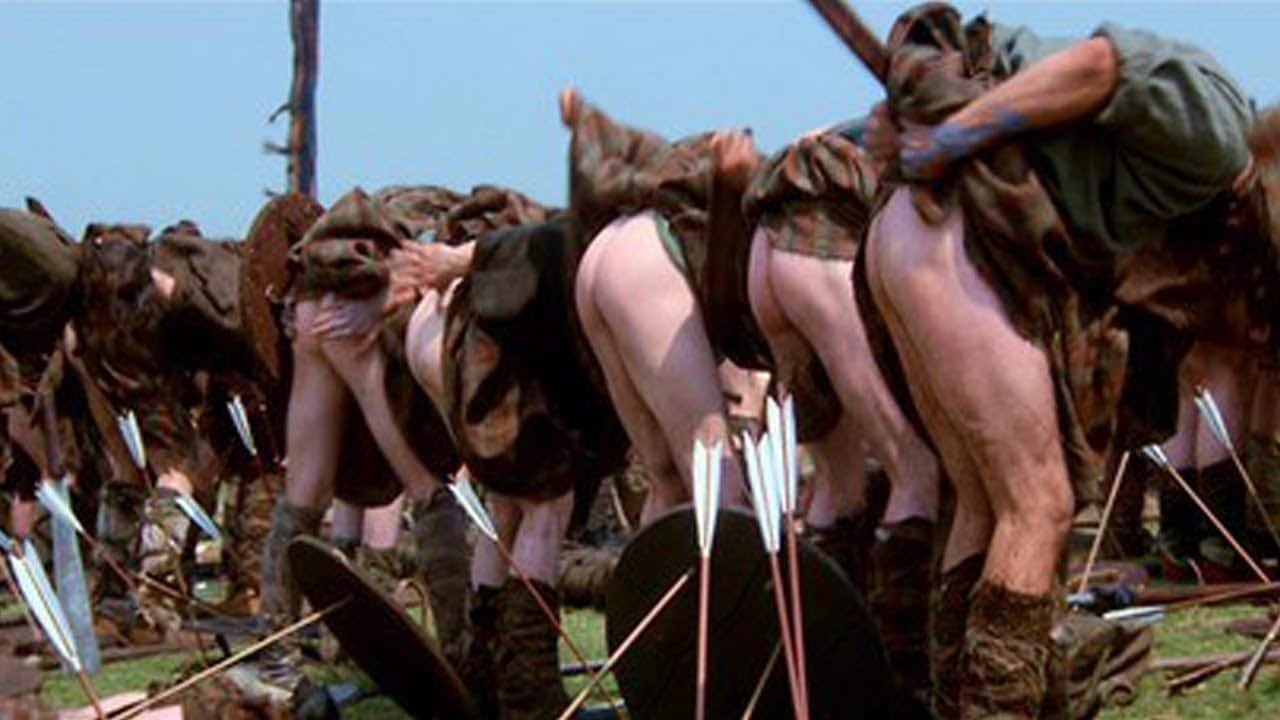
Obsessive Braveheart fans best looketh away because we’re about to ruin one of the biggest drawcards of the film: strong men in kilts. Notable scholar of all things medieval Sharon Krossa remarked that during Wallace’s time, "No Scots wore belted plaids (let alone kilts of any kind.)” Truth is, during Wallace’s life, the kilt wasn’t even close to being invented.
Face paint blues
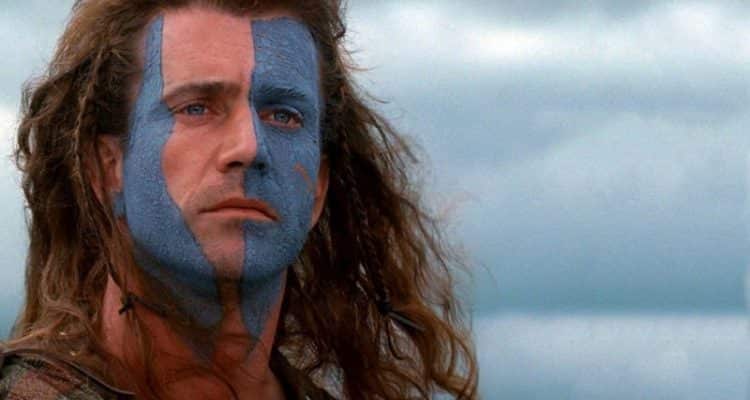
Unfortunately, the iconic blue-and-white makeup worn by Gibson and co. is also a bit of poetic license. In fact, if there was use of the blue plant dye known as "woad" on Scottish soldiers, it would pre-date Braveheart's timeline by about 1,000 years.
Braveheart by name, or not
Gibson’s Wallace is a poor man with rich principles who rouses the rabble with promises of hard-earned freedom. The real Wallace was less a man of the people; he was a knight and landowner with an advanced education who not only made a living from rent paid by peasants, but also used mandatory conscription to enlist his fellow soldiers, and — get this — was fully willing to hang anyone that objected.The cherry on top is that the real Wallace was never nicknamed Braveheart, and that it was Robert the Bruce (who in the film is wrongly depicted as getting in the way of Wallace’s glory) who was actually known by that moniker. But honestly, would you watch it if it was called 'Privileged Monster'?
The Battle of Stirling Bridge, sans bridge
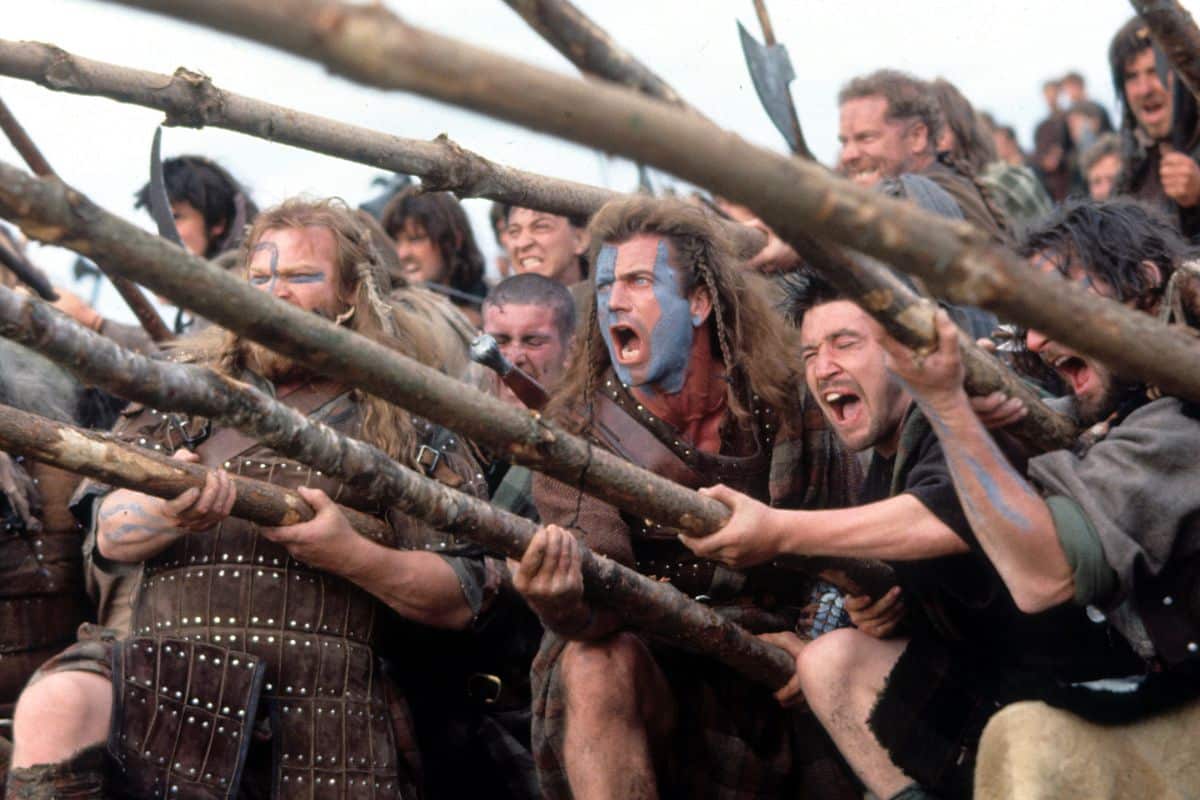
It seems fair to say that Gibson didn't feel encumbered by sticking to the facts, and in the case of one of Scotland’s most legendary battles, he considered the sites of actual events as open to interpretation. The real Battle of Stirling Bridge demonstrated actual Wallace’s skill as a strategist, as he used the bridge to hold back and, hence, outmanoeuvre the British. It also took place in full view of the glorious Stirling Castle.
In perhaps Braveheart’s most epic scene, Wallace’s army confronts the British in a sprawling field. There's no bridge, no hint of a castle, as overdressed Brits charge towards the Scots as the latter raise spears at the final moment. The scene is as memorable as it gets, but it wouldn't pass muster with the fact checking department.
Watch Braveheart on SBS
Friday 23 March,9.40pm (after Homeland)Unfortunately the film will not be available for catch-up viewing at SBS On Demand