If there is a recurring theme at this year’s Tour de France, it’s the speculation from the media, and social media, about the feats of the rider who has led the general classification for 12 of the 17 stages so far contested, Chris Froome of Team Sky.
The yellow jersey has effectively been under attack. There’s plenty of doubt about his performance despite him trying to be as transparent as possible. Power files have subsequently been released by his team and as much information as possible revealed to negate these concerns.
Bbut still, the questions remain.
“There’s been doping in cycling ever since the Tour started. There’s no reason to expect that it has entirely disappeared from cycling,” claims one genuine cheat from yesteryear.
Michael Rasmussen knows his reputation is a tainted one, but he still earns a wage because of his ill-gotten fame. What does Rasmussen think about the treatment of the race leader in 2015?
“I’ve been in the situation that Chris is in right now,” Rasmussen said about the way Froome is being treated by the media, “and unfortunately, it’s part of the legacy of cycling and wearing that yellow jersey.”
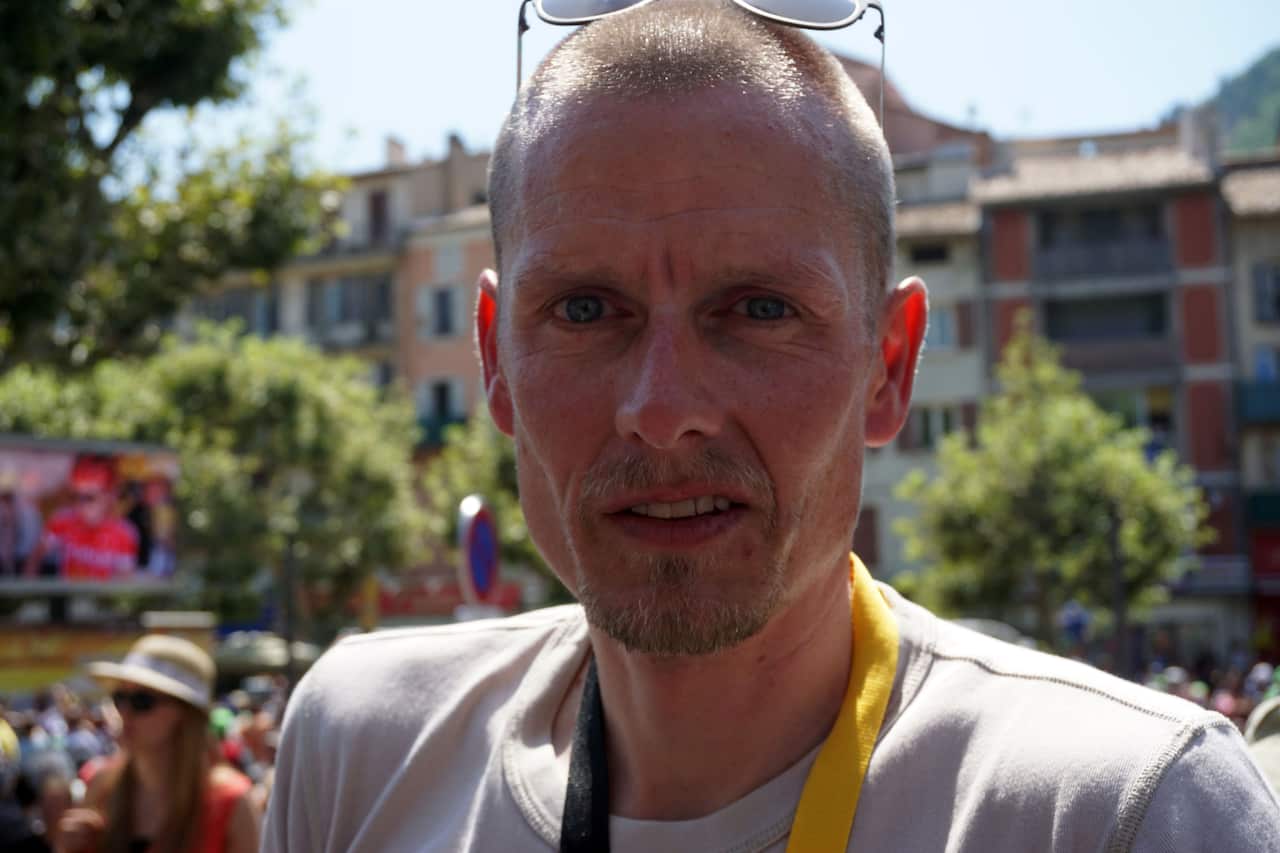
He no longer denies his impact. Rasmussen recognises that what he did put an enormous stain on cycling. He offers a hint of empathy, but little more than a shrug of the shoulders.
“Just look at the history books, lots of riders – including myself – have made it such that there’s good reason for suspicion," he continued.
“If Chris Froome is clean it’s absolutely unfair, the treatment that he is getting right now.” But, I remind Rasmussen, it’s largely because of people like him. He nods. “It is.”
One man’s loss is another man’s loss. No matter what Froome does here and now to try and demonstrate he’s racing clean, the shadow of doubt will remain. It’s because of the culture of lying and deceit that was so prevalent for so long.
We understand why cycling has an image problem. People can’t forget the sins of the past. If they’re going to cheer these days, they want to know to be sure that they won’t later regret showing support for a fraudster.
Chris Froome is doing what he can to demonstrate he’s clean. Doubt exists thanks to the legacy of the likes of Rasmussen – as well as many before, and several since.
Hark back to the 2007 Tour de France and you’ll recall how the media’s insistence on chastising the race leader was ultimately vindicated. The constant questioning eventually halted what we now know for certain would have been another false victory.
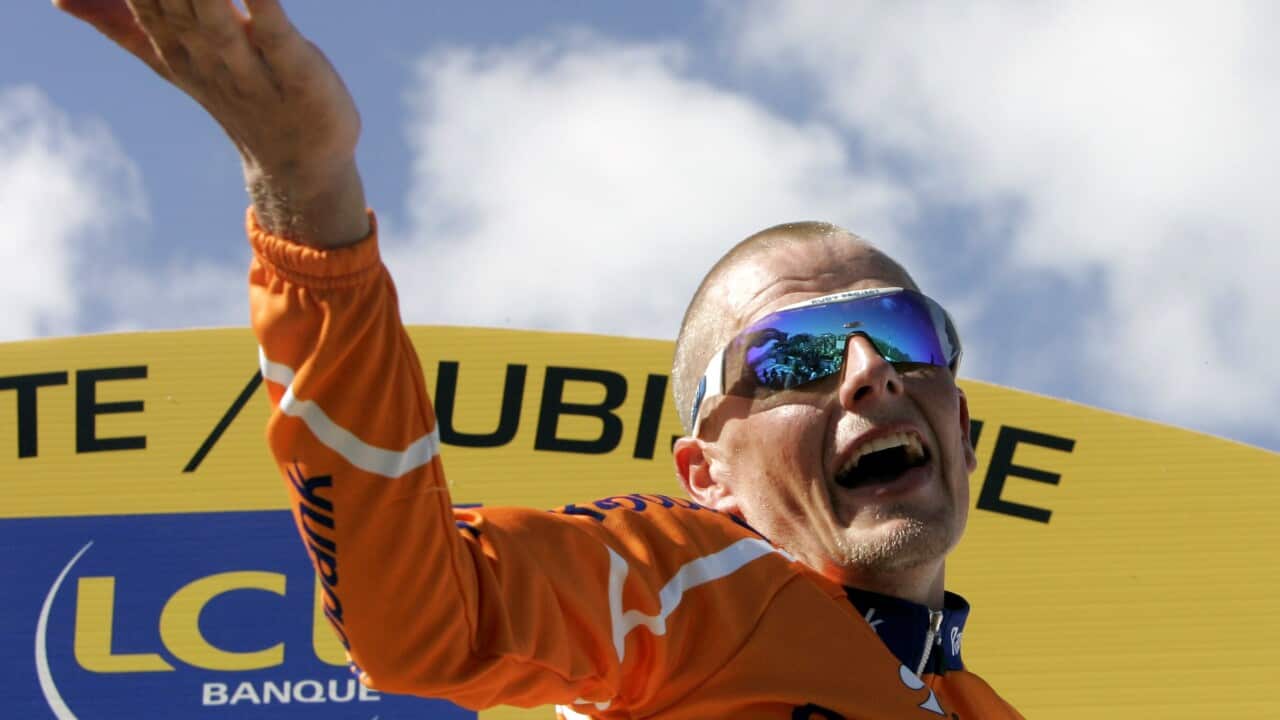
Rasmussen had a commanding lead in the last week of the 2007 Tour. He wore the yellow jersey through to the final mountain-top finish, won that stage to the Col d’Aubisque and was set to ride to Paris as the winner of the Tour.
Then a commentator from Italian television referenced how he had seen Rasmussen training in Italy when he had stated he was, in fact, elsewhere. His whereabouts were known and he wasn’t where he said he had been. It was part of a trail of deceit and it was one lie too many. His team at the time, Rabobank, evicted him from the race. The yellow jersey, gone. Ultimately, we’d find out why.
Rasmussen was a cheat, a liar, a fraudster, a doper.
Now, he is part of the media reporting on the race for the Danish newpaper Ekstra Bladet as its full-time cycling commentator. Together with his wife and his bike, he’s back at the race he almost won, riding the course and, he says, “enjoying life”.
On Tuesday’s rest day he rode the Col d’Allos and final climb of Stage 17 to Pra Loup. It was when riding up climbs that he was most efficient as a doper, but on descents he was anything but elegant. So, I asked, just how treacherous is the descent of the Allos?
“It’s probably the most difficult 16 kilometres of pavement I’ve ever been on,” Rasmussen said before the peloton set off for the 161km stage from Digne-les-Bains. “If it’s going to rain as the forecast says today, there will be some casualties there for sure.”
In cycling there are always casualties and it happened again today. Tejay van Garderen didn’t make it to the Col d’Allos. The American was third at the start of the stage. Although sick, he spoke confidently about what lay ahead.
“After a rest day sometimes people are a little fresh,” he told NBC when asked if he had plans on showing some aggression. “I’ll see when I’m out there how the other guys are looking and if I see the opportunity I’ll take it.”
He couldn’t. He’d abandon because illness. Like five others TvG is a DNF (did not finish), a casualty from Stage 17 – but not because of a fall. The pace got to him, he couldn’t hold a wheel and he succumbed to sickness.
This brings us back to the conversation with Rasmussen. He knows doping - he used it to good effect during his Tour de France racing career and he’s since explained much of it in detail - but only after a long, sustained period of consistent denial.
Still, he’s got first-hand knowledge of the impact doping has. What percentage gains did he get from the products and methods he used?
“I don’t want to give it any percentage at all because everybody responds differently to different products, whether they are legal or non-legal products," he says.
“There are people who respond very well to caffeine, and very well to paracetamol – it’s a painkiller and it has huge benefits when you’re riding – but these substances are completely legal. So things are not black and white in terms of the percentages that you’re gaining.”
Tejay may have had some paracetamol but he didn’t ask a friend to carry illegal doping products from one country to another. Rasmussen did.
The legacy of Rasmussen’s career has earned him a job in the media just like Laurent Jalabert, the Frenchman who has expressed his views on Froome’s achievements and, in the eyes of the race leader, incited hatred against him. It would seem that cheats do prosper, in their racing lives and afterwards.
And everyone who wins these days suffers because of what the likes of Rasmussen and Jalabert believed they could get away with.

Watch the FIFA World Cup 2026™, Tour de France, Tour de France Femmes, Giro d’Italia, Vuelta a España, Dakar Rally, World Athletics / ISU Championships (and more) via SBS On Demand – your free live streaming and catch-up service. Read more about Sport

Have a story or comment? Contact Us