I hope, and I’m sure, that Australian fans are enjoying their country’s first hosting of the Asian Cup. Being in the middle of a tournament can be a wonderful thing, giving the intoxicating feeling that you are at the centre of the football world.
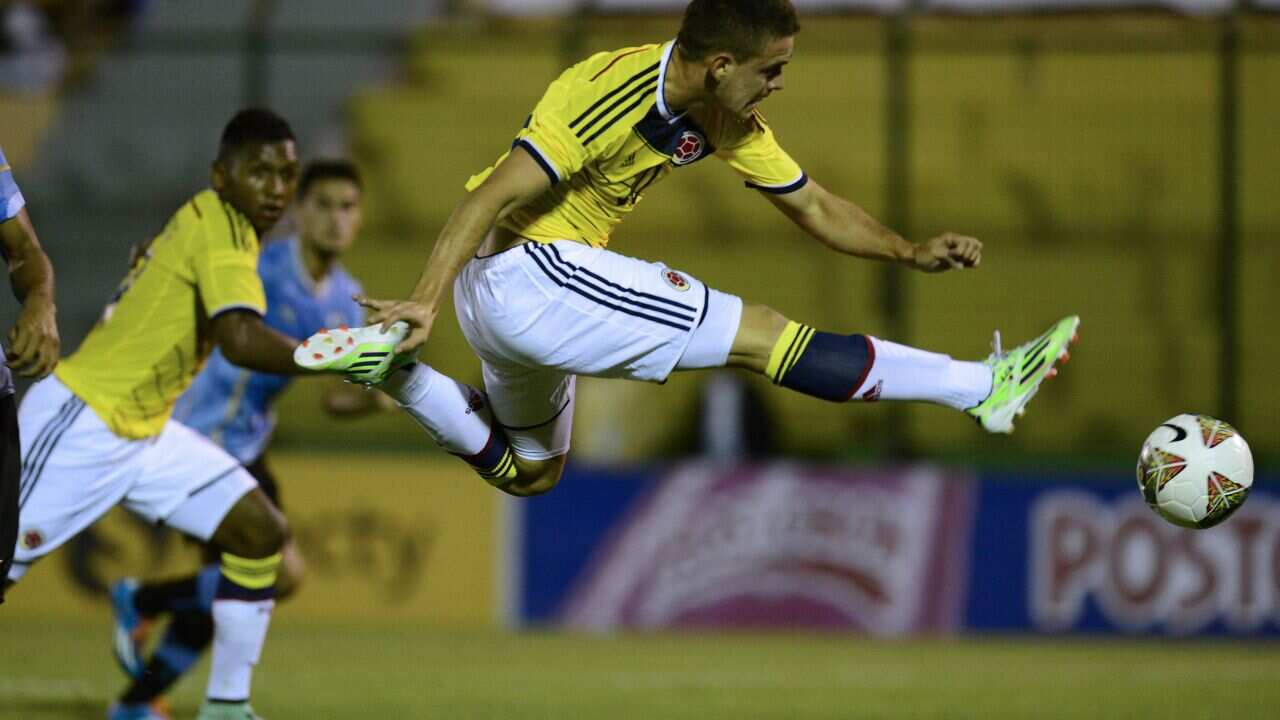
So I fully accept that the focus in Australian football is – as it should be – almost entirely on local events. But I would like to make the case for, in the corner of your eyes, a little space for a glance at events taking place in Uruguay – which is hosting the latest version of the South American Under-20 Championships.
Held every two years, the tournament is a goldmine of talent – you can hardly move for all the scouts from European clubs running the rule over the next generation from the continent. The best of the players on show will soon be on their way across the Atlantic. Some, indeed, are already playing their club football there. And it is precisely this fact that makes the South American Under-20 Championships so important for the future of the continent’s senior national teams.
When one of the major European nations chooses its national team, the criteria for selection is simple – past international form mixed with current club form in one of the big leagues. But for the South Americans, with their players dispersed over a wider range of countries, this is more complicated. A key component, then, is the quality of displays when representing the national team at youth level – and since there is no longer any international Under-23 football on the continent, the Under-20s offers the best evidence around. Those who have done well in the South American Under-20 Championships – and then subsequently in the World Youth Cup, for which the continental tournament serves as the qualifiers – have shown they can deal with the pressure of wearing the shirt. They will be often be fast tracked into the senior squad, regardless of the form they are showing with their club.
Uruguay supplies an excellent example. With a population of little more than 3 million, Uruguay has no chance, in today’s globalised world, of hanging on to its promising young footballers. Inevitably, they will be sold abroad at an early age. Recognising this situation, Oscar Washington Tabarez, coach of the senior national team, has implemented an interesting project. First, he and his coaching staff seek to identify youngsters capable of operating at the top level. Second, as they progress through the youth ranks they are given a crash course in their country’s footballing identity. The message of the importance of the sky blue shirt is constantly rammed home. The idea is that, wherever they end up playing their club football, they will have a strong emotional bond with the national team.
Two years ago Uruguay made it all the way to the final of the World Under-20 Cup. This, though, is not seen as the measure of success of the project. The objective is long term – to produce players for the senior side. There is little point in winning the title without developing anyone of note.
On this score, Uruguay’s 2013 Under-20 team is already proving a success. In qualification for the last World Cup a centre back crisis forced them to throw 18 year-old centre back Jose Maria Gimenez into the deep end. He was not getting a game for Atletico Madrid at the time. It is all but inconceivable that a major European team would have picked a player in such a situation. But Uruguay trusted in what he had done in the World Under-20 Cup, and was rewarded when he slotted in seamlessly – as he also did in the World Cup after the opening game injury to captain Diego Lugano.
For many of that Uruguay team, Brazil 2014 was their last international tournament. Most of the side had been together since 2007 and a rebuilding process was clearly needed. Where did the raw material come from? From the Under-20 side. Joining Gimenez in the senior squad were plenty of his 2013 team-mates – fellow defenders Emiliano Velasquez and Gaston Silva, playmaker Giorgian De Arrascaeta and striker Diego Rolan. Also promoted were a couple of graduates from the Under-20 class of 2011, wide midfielder Camilo Mayada and holding midfielder Guzman Pereira. Of all of these players, only De Arrascaeta was still based at home (and he is just about to move). No matter – Uruguay has groomed them for the future.
Much of this Uruguayan approach to the Under-20s has been inspired by Jose Pekerman and his achievements at this level with Argentina, where he oversaw a similar project around the turn of the century. The list of Peker-boys, graduates who went on to serve Argentina at senior level, is a long one. There is one stand out case from the South American Under-20 Championships of 2003, the previous occasion that the competition was held in Uruguay.
Argentina had a little holding midfielder who had yet to make an appearance for his club, River Plate. But his quality jumped out in the Under-20 tournament. He protected his defence with sound position, fierce tackling and quick, crisp distribution, passing the ball both long and short. And he had the heart of a warrior. Like a footballing version of boxer Joe Frazier, the harder the game, the more he seemed to like it.
A few months later, still without having played for the River Plate first team, he was given his senior Argentina debut. Within a year it was impossible to think of an Argentina side without him. It still is. His name was Javier Mascherano.
When England coach Roy Hodgson named Mascherano as his best player of 2014, part of the credit should go to the South American Under-20 Championships – for it was there, like Lionel Messi two years later, that his career picked up the momentum to take him to the top.

Watch the FIFA World Cup 2026™, Tour de France, Tour de France Femmes, Giro d’Italia, Vuelta a España, Dakar Rally, World Athletics / ISU Championships (and more) via SBS On Demand – your free live streaming and catch-up service. Read more about Sport

Have a story or comment? Contact Us