Well, this was bloody typical. My morning’s travel schedule was already too tight for comfort, I really needed to be on time, and for some reason both Kings Cross and Liverpool Street stations were closed. Something about a “power surge” was what we were hearing, me and the hundreds of other disgruntled and confused Londoners who filled the pavements of Bishopsgate on that grey Thursday morning, coming up for 12 years ago.
The first week of July 2005 was a rollercoaster in London. On Wednesday, the 2012 Olympic Games host city was announced - we’d won it, when the smart money had always been on Paris. Firework displays, stranger-hugging, jig-dancing and joyous boozing ensued.
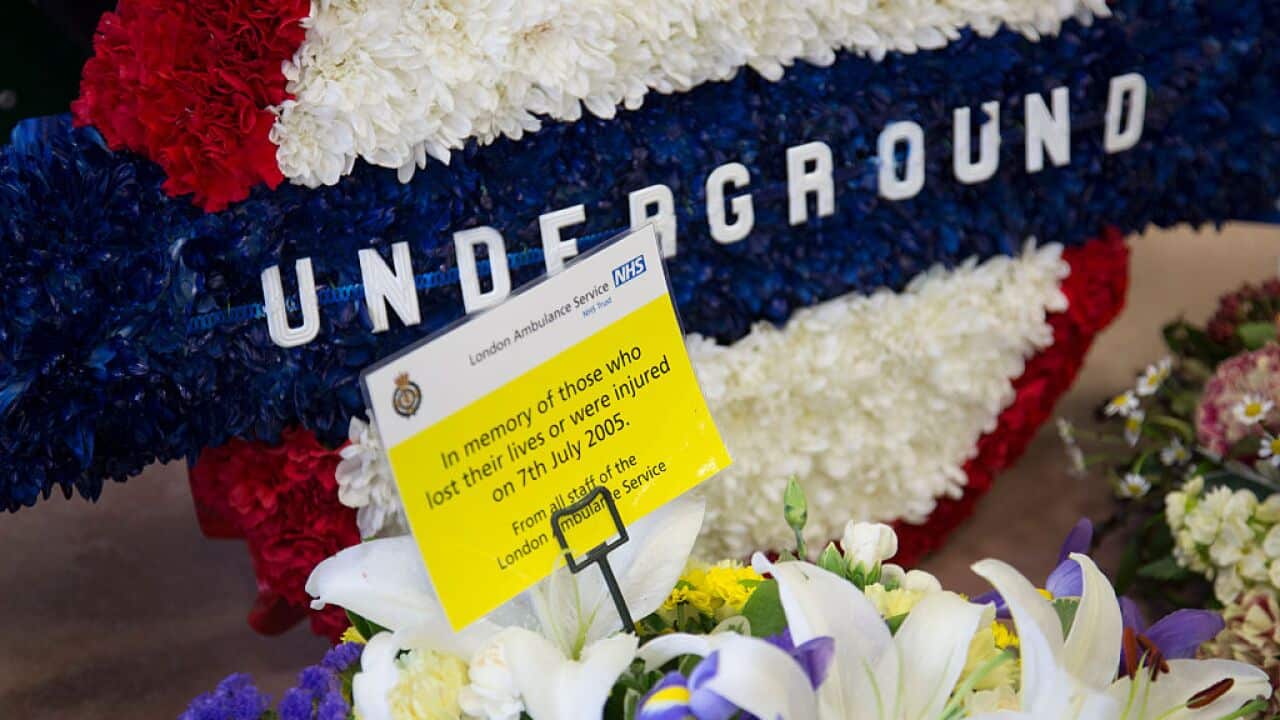
The next day, during morning rush hour, four bombs exploded on the public transport network, three on tubes in the same minute, and one on a double-decker bus within the hour, all in central London. Fifty-two people were killed (as well as the suicide bombers) and over 700 injured.
Back then, this sort of attack was something new.
Fifty-two people were killed (as well as the suicide bombers) and over 700 injured.
Sure, the city had suffered terror attacks in the past - the IRA’s bombing campaign lasted, off and on, for over 50 years, and as recently as 1999 a right-wing fanatic had targeted ethnic minority and gay communities with a series of vicious nail-bomb attacks - but there had been nothing on this same scale before. This marked the first time, too, that the “war on terror” had reached British shores.
Of course, like everyone else at street level, I had no idea what was happening at the time.
I weaved my way through the crowd to approach a policeman, set my attitude at “reasonable citizen seeking clarification”, and asked him what was what, when might the trains be running, what was the deal with this “power surge”? He avoided eye contact, and had no light to shed.
I found a cafe near Spitalfields market, got myself a coffee, and joined in the speculative conversations that rose up among the stranded strangers filling its tables. It was mid-morning before the news about the bombs came through on the radio. (If it happened now, it would be hashtagged within seconds).
I took in what explosions on the underground must mean. I looked around the now silent cafe, and knew we were all thinking the same thing. How many?
With no buses, trains or tubes running, I decided to head to my mate Sandy’s place, on nearby Brick Lane. The streets outside were dazed and subdued, people shuffling around with phones in their hands, though the networks would stay down until the evening.
Our phones were working again, so there was a logjam of texts to tackle, loved ones to check up on, concerned friends and relatives to reassure. For some, dreadful news awaited.
Sandy and I watched rolling BBC news coverage and ate cream cheese on toast on the sofa in his East End flat. We were both in shock, but hungry. I castigated my host for his culinary efforts in an attempt at mordant humour. I trust he’s forgiven me by now.
It was around late afternoon that I started walking home. The streets and bridges teemed with people doing the same. By now the scale of the attacks was clear and there had been statements made in the House of Commons and solemn speeches from the Prime Minister and mayor. The pubs were filling up, and though there was nothing unusual in that (in a city with a hedonistic heart, Thursday had long been the new Friday), the contrast with the previous evening’s Olympic triumph-toasting was stark.
I found a place at the bar and added my voice to the chorus of murmured conversations.
“.... saw a woman at Tavistock Square, face covered in blood, just dusted herself down and said she had to get to work...”
“...people held hands while they walked through the tunnels, I heard...”
“...and it’s such a peaceful religion, really....”
“....worried about reprisals...”
“...and if I hadn’t moved my dentist appointment to next week, I might have been on that very bus...”
“...sounds bad, I know, but it could have been so much worse...”
Heads were shaken, sighs heaved, pints supped. And then we all carried on trying to get home. Our phones were working again, so there was a logjam of texts to tackle, loved ones to check up on, concerned friends and relatives to reassure. For some, dreadful news awaited.
I didn’t much fancy using the underground the next day, but couldn’t get around it. My carriage was two-thirds empty - unheard of and eery. I sat in rueful silence with my fellow passengers, reading the advertisements and graffiti around me, until I met the eye of the woman opposite, and we exchanged thin, somber smiles.
Over the weeks that followed the bomb attacks of July 7 2005, an air of slightly stunned calm still hung over the streets of London. We submitted willingly to the ministrations and bag-checks of the security forces now operating at all of our stations. Dark-skinned, bearded men avoided wearing backpacks, and everybody kept an eye on, and out for, everybody else. Shrill calls from the far right British National Party maybe now to start listening to them for a change were, thankfully, ignored. Slowly but surely, life returned almost to normal.
(Though it never would for 27 year-old Brazilian electrician, Jean Charles De Menezes, shot and killed by special forces at Stockwell tube station on July 22nd, in a tragic and scandalous case of mistaken identity).
But something had changed. Instead of a disparate bunch of self-interested individuals, working our angles, doing our thing and braving our various struggles, we’d somehow coalesced into a fellowship of Londoners.
I can’t be sure whether it lasted, as I left for Australia a little over two years after the bombings. By then, eye-contact exchange on the tube was back to a minimum - this was London, after all - but there was still some prevailing sense of us being all in it together, a defiant pride in our beautiful and resilient city.
But something had changed. Instead of a disparate bunch of self-interested individuals, working our angles, doing our thing and braving our various struggles, we’d somehow coalesced into a fellowship of Londoners.
This year, there’s been plenty more to endure over there, of course. Westminster, Borough, Finsbury Park, plus that heinous attack in Manchester - not to mention the horror of Grenfell Tower.
Maybe I romanticise the home I left behind in hoping it finds strength and even, somehow, unity through all this pain. But as the anniversary approaches of those July bombings, that’s what I’ll be doing.
Hoping it pulls through, again.
And that the cities of Australia never need face such tests.