When European migrants came to Australia following World War II, the country was painfully underprepared for such a vast influx of people. “Populate or perish” was the rallying cry as the nation sought to boost its population numbers in the interests of economic and military security. But as a result, migrants were often housed in camps with rudimentary facilities, and faced incredible hardship settling in, particularly in the face of extreme prejudice.
My parents were two such migrants who came out from Greece in 1956. Travelling via the Suez Canal, Red Sea, Indian Ocean, Ceylon, Fremantle and Melbourne, they finally settled in Canberra, which has always been known as a white-collar town for government office workers.
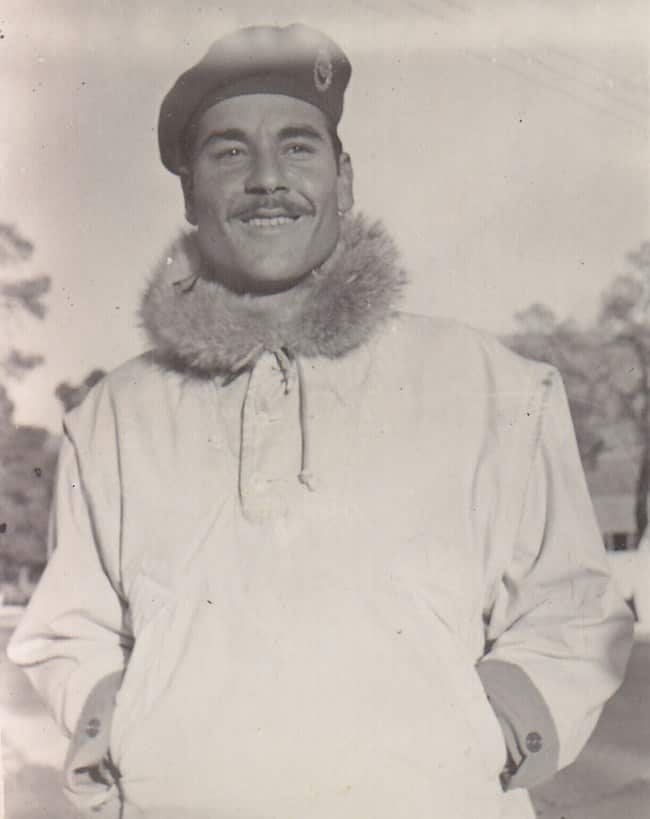
The bureaucrats who followed the Federal Parliament’s move from Melbourne to Canberra were given incentives including accommodation and pay rises. But not my parents. Dad was a self-taught handyman and builder, and Mum a waitress. For such people who had arrived from Europe, they were often housed in hostels. And it was Dad who never forgot the conditions in the men’s only hostels, and especially in the infamous Hillside hostel.
Dirty yellow newspaper sheets were laid out under the lino covering the pine floorboards. The mattresses were horse hair and riddled with fleas. The walls were one hundred percent pure unadulterated asbestos.
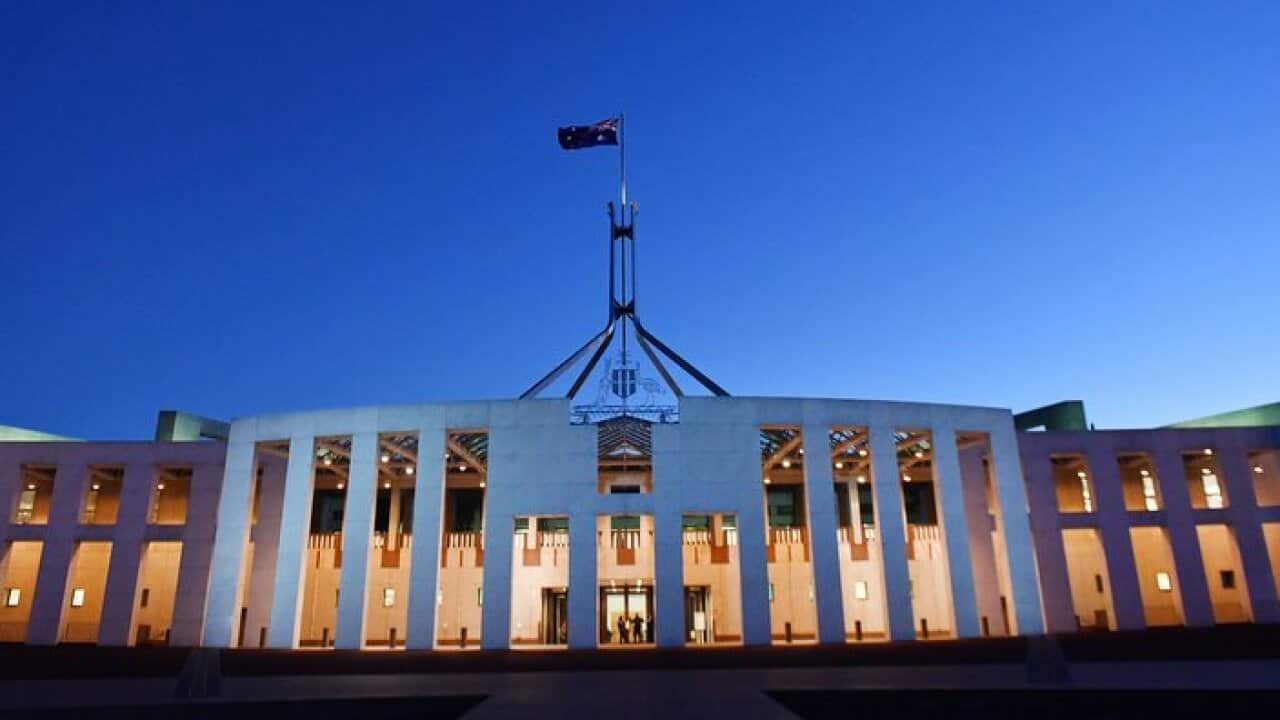
“It was called Hillside because it sat on a hill,” Dad told me. “But not just any hill – it was on Capital Hill, which is where the New Parliament House now stands.”
The location struck me. I found it staggering to imagine that new migrants were once housed on the same patch of dirt where modern politicians now sat debating the cutting of immigration levels and also asylum seeker support.
Every time Dad saw an immigration detention centre in the news, he would often recall the conditions of 1950s migrant camps like Hillside, which opened in 1952. Aside from its conspicuous location, Dad explained that Hillside was so notorious because it had the worst living conditions.
“The rooms were spartan apart from the dust and cobwebs. They smelt of linseed oil from the bulky brown linoleum tiles curling up on the floor. Dirty yellow newspaper sheets were laid out under the lino covering the pine floorboards. The mattresses were horse hair and riddled with fleas. The walls were one hundred percent pure unadulterated asbestos. Roofs were galvanised, with pools of water that collected in the corridors.”
There was never any hot water, which meant that showers were taken cold. In the middle of a Canberra winter, this was especially bracing, but also maddening. The men were given one towel per week – holey, stained, malodorous – along with slivers of soap and used razor blades. The shower blocks had no tiles, doors, curtains or dividers.
Because the buildings were so crude, the lodgers did little to respect them. Dad recalled stories of mattresses set on fire and holes blasted in walls with shotguns.
“Repairs were never made,” he said, “why repair something that was only meant to be temporary?”
In the mess, a bottle of black sauce half full of sediment sat in the middle of each table alongside two empty sauce bottles filled with salt and sugar. On Saturday mornings, the scrambled eggs – made from dried egg powder – tasted of fish fried in the same aluminium pan the night before. The porridge was sugary sweet and attracted swarms of blowflies. Gastroenteritis was common.
The lodgers themselves were a chaos of cultures: Poles, Maltese, Yugoslavs, Belgians, Balts, Greeks. Dad said when it came to the Italians and Germans; the memories of the war were still fresh in peoples’ minds. He even saw a few Germans told to leave his worksite in the middle of the day simply because the foreman didn’t approve of them.
I couldn’t help but reflect on the location of the majority of Australia’s immigration detention centres.
I asked Dad if there was ever any trouble at the camp. “The odd scuffle or bare-knuckle fistfight, usually over gambling losses from a poker night or game of two-up,” he replied. “But if you meant riots over living conditions, then no, but it wouldn’t have been at all unexpected.”
Hillside finally closed in 1968; Dad had married by then, and was on his way to having a family of his own. That happened in 1974, which was also the year when the Parliament voted to move their headquarters from its lakeside position to the top of Capital Hill, which it saw as befitting the eminence of the institution.
Dad explained that the wide expanse of Capital Hill had been significant for Hillside. “Local residents had complained about the proposed construction of a men’s hostel in their suburb,” he said. “Capital Hill was a compromise. It kept the men away from the general populace, from the housewives across the city. It kept them safe.”
I couldn’t help but reflect on the location of the majority of Australia’s immigration detention centres. Places such as Christmas Island, Manus Island, Nauru; all distant locations, far away from the population centres, if not the mainland itself.
“So why not house the migrant men out in the bush somewhere?” I asked. “Why stick them in the middle of the nation’s capital city?”
Dad smiled proudly. “Because the capital city still needed building,” he replied. “It was built by undesirable foreigners like me.”
Peter Papathanasiou is a freelance writer. You can follow him on Twitter or Facebook.
Thriller Safe Harbour airs over four weeks, exploring issues facing asylum seekers once they settle in Australia. All episodes will be available after broadcast anytime, anywhere, for free via SBS On Demand. Join the conversation with #SafeHarbour. Watch episode one now: