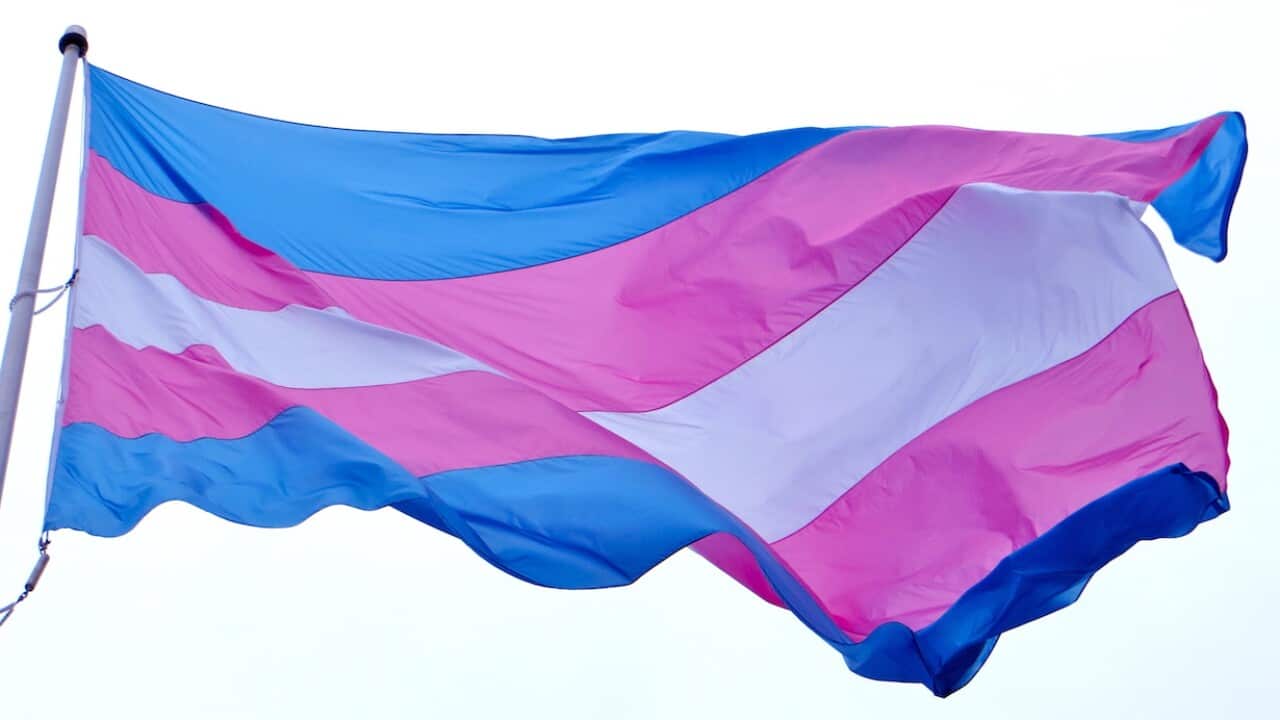
Human Rights Watch (HRW) has called on the Japanese government to improve the legal gender recognition process for trans and gender diverse people.
Currently, those who are seeking to have their official documents reflect their correct gender identity must be diagnosed with “gender identity disorder” and undergo forced sterilisation under Law 111.
HRW notes that the process—which requires applicants to be single and without children under 20—is “discriminatory”.
“The law requires applicants to 'permanently lack functioning gonads' before they can be legally recognised, which amounts to forced sterilisation, a practice condemned by health and rights bodies across the globe, including the United Nations World Health Organisation,” HRW’s Japan director, Kanae Doi and the LGBT+ researcher Kyle Knight writes.
The World Health Organisation has noted that sterilisation requirements “run counter to respect for bodily integrity, self-determination and human dignity, and can cause and perpetuate discrimination against transgender and intersex persons”.
In February this year, transgender man Takakito Usui attempted to appeal against Law 111, after to refusing to undergo sterilisation to legally change his gender.
“The law violates Article 13 of the Constitution because it requires [invasive] surgery that does tremendous damage to a person’s body and, therefore, is invalid,” Usui said at the time.
Mr Usui wanted to legally change the gender identity on his official documents so he could marry his girlfriend—but his appeal ultimately failed.
“Forcing people to undergo unwanted surgeries to obtain documentation is contrary both to Japan’s human rights obligations and its reputation as a champion of LGBT rights,” HRW wrote.
“The government should urgently revise Law 111 to end forced sterilisation.”
Main Image by torbakhopper/Flickr.