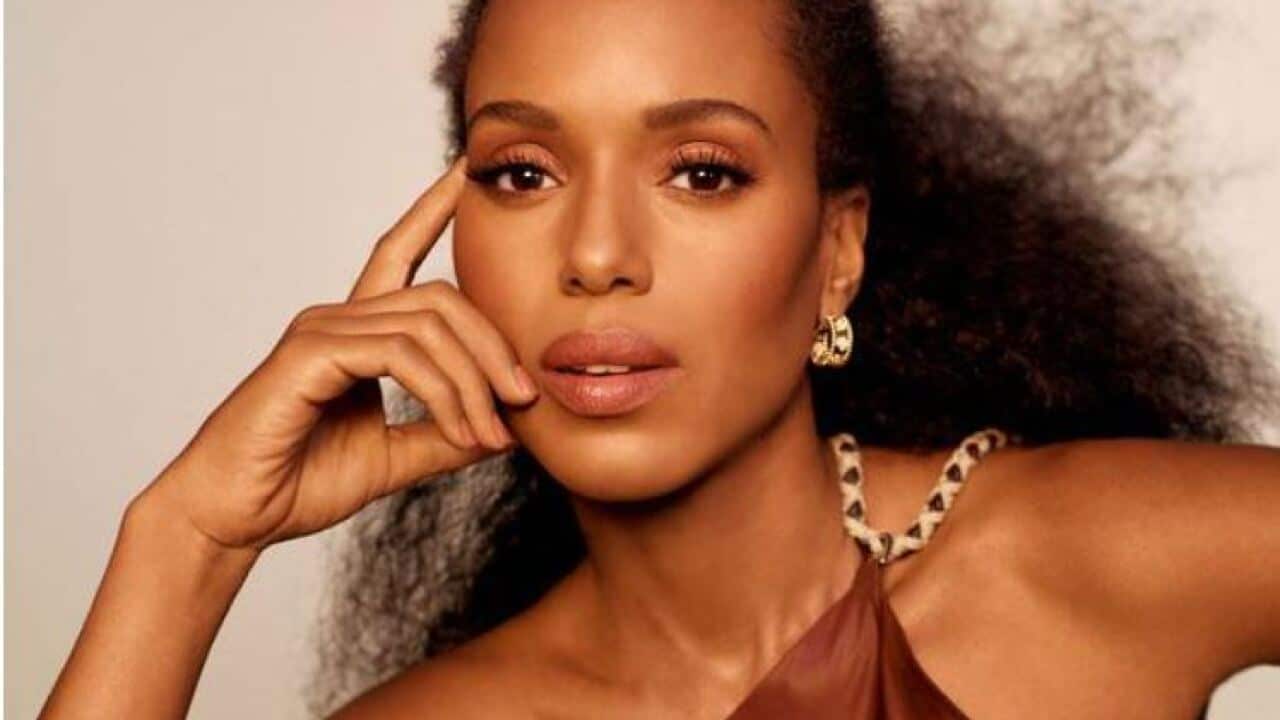
Scandal star Kerry Washington says having a black female boss gave her a feeling of freedom at work and transformed her idea of what power looked like.
Washington, who features on the cover of US Marie Claire's "The Power" issue opens up on what it was like to be the first woman of colour in 40 years to lead the prime-time drama Scandal after wrapping up seven years on the show this year.
Washington said the series, where she plays political operative Olivia Pope, was easy to play because her boss - legendary television producer and scriptwriter Shonda Rhimes just "got her".
"I didn’t feel like I had to twist myself into some other understanding of what black womanness is supposed to look like, because Shonda [Rhimes] got me. Just her existence and working with her so intimately changed the idea of what power looked like in this business,” she said in the interview.
Rhimes is one of the most powerful producers in television history - the creator of hits like Grey's Anatomy and How to Get Away with Murder -and a champion of diverse, female-driven casts. After How To Get Away with Murder, starring Viola Davis, became a hit in 2014, other networks were put on notice and began to diversify their offerings.
Washington said the solidarity of having a black woman as her boss, and the opportunity to work as a producer, made her feel empowered.
"I’ve always wanted to cultivate a sense of empowerment within myself without seeking approval from outside sources, which is hard to do as an actor, which is part of why producing is so important and which is where some of my freedom, or learning, to take that sense of freedom and bring it to a larger audience and larger space has a lot to do with having my employer be a black woman."
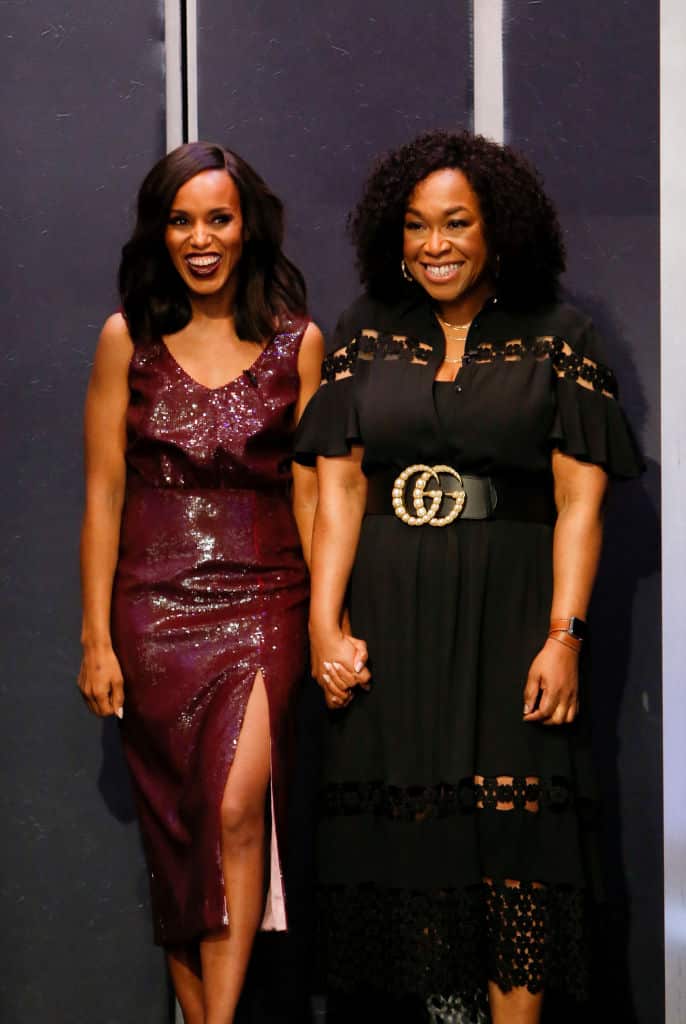
Washington's comments are an affirmation of the importance of women of colour owning and being power players at all levels, from casting, scripts and producing, in creating a new culture in the highly collaborative and networked world of television. A world where they feature as leads and not just tokenised side products creating new stories that resonate with bigger audiences.
Washington said she feels her role as a minority actress in Hollywood brings with it a responsibility, and an opportunity, to portray nuanced characters and open a window for people who may never have spent time with those characters.
“It’s my homework to three-dimensionalise a character, which often in my career hasn’t been fully three-dimensionalised in the writing. For a lot of people, my characters may be the very few black women that they spend time with. So for me to paint her in any way flat or stereotypical or within the framework of social norms or our habits of not fully taking in women of colour and walking by them—I have a responsibility to do something different.”
Washington also talked about her work as an activist in the Hollywood #TimesUp movement, and offering perspectives on how the campaign can better understand racial sensitivities to be more effective and inclusive to women of colour.
“It’s complicated to be a woman of colour doing this work because I remember the first time I talked about it in a meeting. I said to the white women in the room, ‘You all roll your eyes when they call it a witch hunt, but for black women in this country, we’ve had our men hung from trees for whistling at white women when they did no wrong. The false accusation of sexual assault is a very real danger for us in a way that doesn’t resonate for you, and so when you wonder why there aren’t more of us in the room, that might be part of it.’