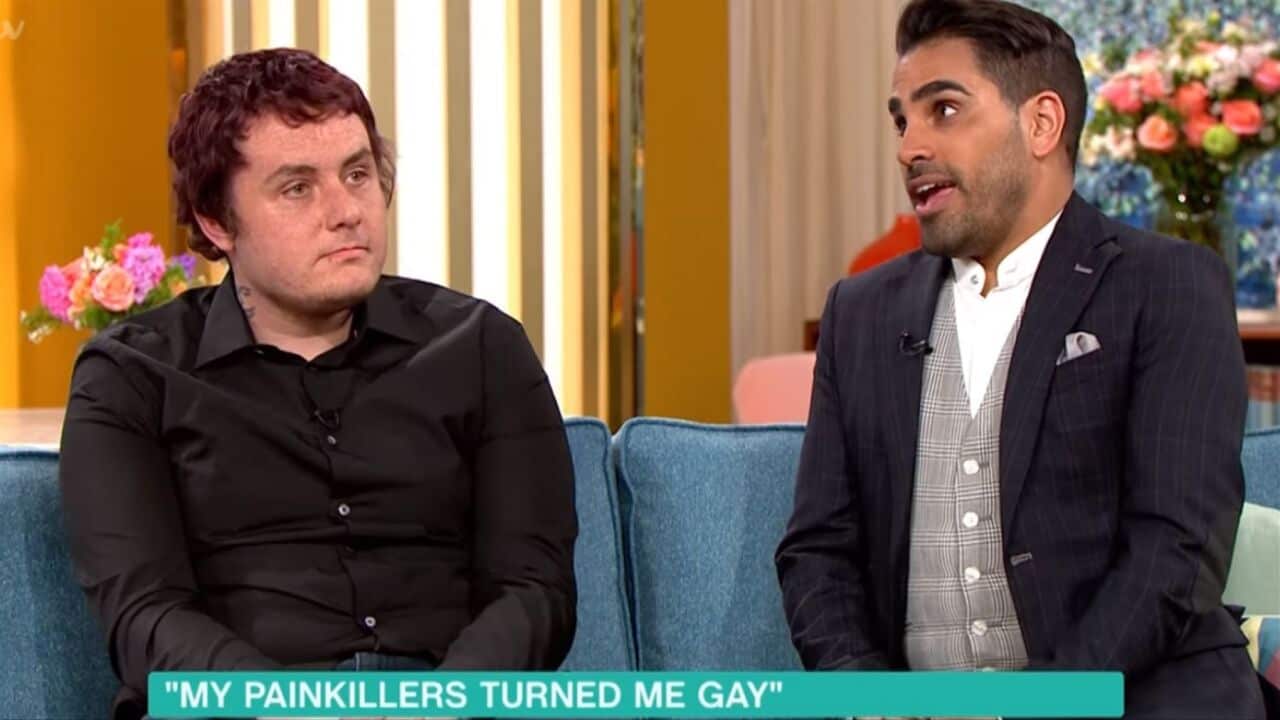
A man who believes he was turned gay by an ongoing use of Lyrica (pregabalin) has appeared on live television, discussing the science of sexuality with a doctor.
Speaking to openly gay Dr. Ranj Singh on ITV’s This Morning, 23-year-old Scott Purdy said: “When I was 16 or 17 I was a little curious, and there was a lad who I knew who was gay, and I started kissing him and that, but I turned around and said ‘Nah, this ain’t for me'."
Purdy said he was straight and in a relationship with a woman, when he injured himself in a go-karting accident and began taking Lyrica, an anti-convulsant medication which is also used to treat anxiety and chronic pain conditions. Purdy says that "four or five days" after he began taking Lyrica, Purdy noticed that his sexuality began to change.
“All I craved and wanted was male attention," he said, adding that he cuddled his girlfriend less as a result.
"I thought it was a bit weird, so I stopped all medication. Everything."
“As soon as that happened and I stopped taking it, my attraction to my (now) ex-girlfriend went back up. I was more intimate with her, cuddly with her – everything was normal,” Purdy said.
However, Purdy says that he's now back on Lyrica and has had a change-of-heart - he likes being gay. So much so that he's scared he'll turn straight again once he stops taking the medication.
“I’m really happy now I’m on it. I know now – the fear is that I stop taking it and I go back to how I was. But I wouldn’t wanna do that,” he said.
“I never had desires for men... It’s so recent and so out of the blue."
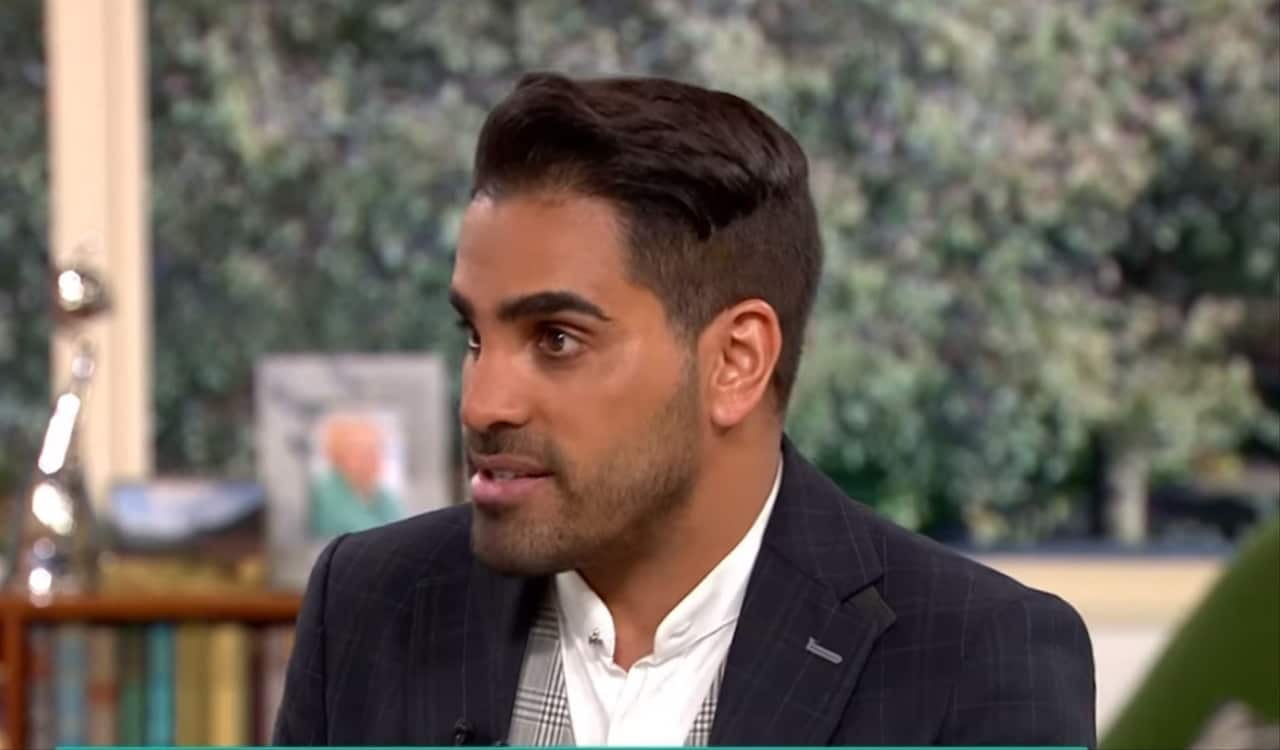
This Morning host Phillip Schofield then asked Dr. Ranj Singh: "Can a painkiller turn you gay?”
“In very simple terms, I’m going to say no,” Singh replied, turning to Purdy and adding: “First and foremost, I think it’s great that you’re happy. I think that’s the most important thing here.”
Explaining the dangers of staying on a controlled substance longer than necessary, Dr. Ranj Singh said that he'd previously been on Lyrica without sexuality-shifting side effects.
“I’m sorry to say it didn’t make me any gayer,” he said.
He did, however, suggest that the medication might have calmed Purdy's anxiety and helped him to accept his emerging sexuality.
“These feelings were probably always there, and sexuality is complex,” Singh added. “It’s not black and white. Different people experience it differently, and some people are fluid.”
You can watch the exchange below: